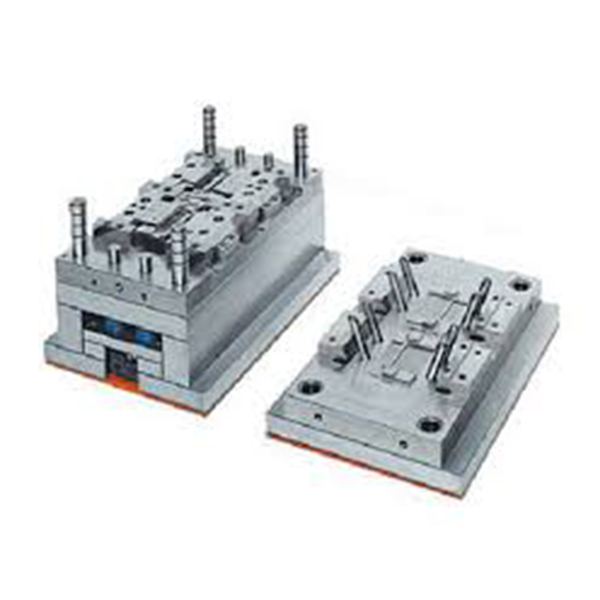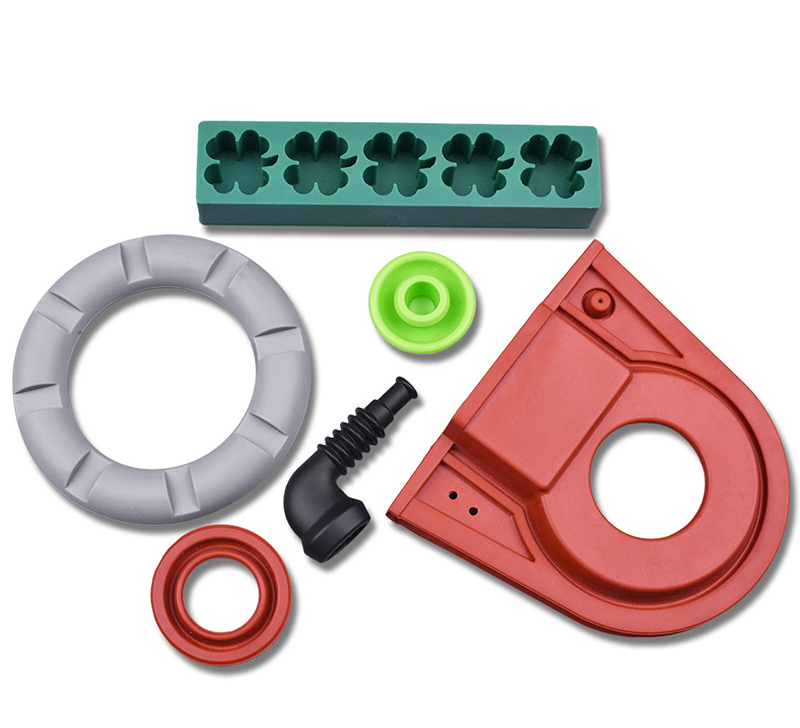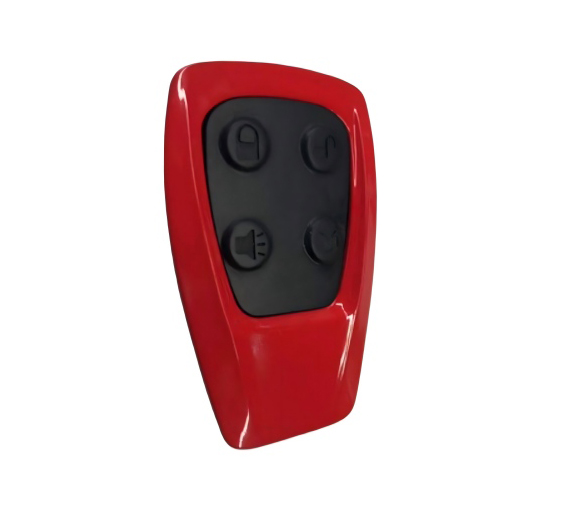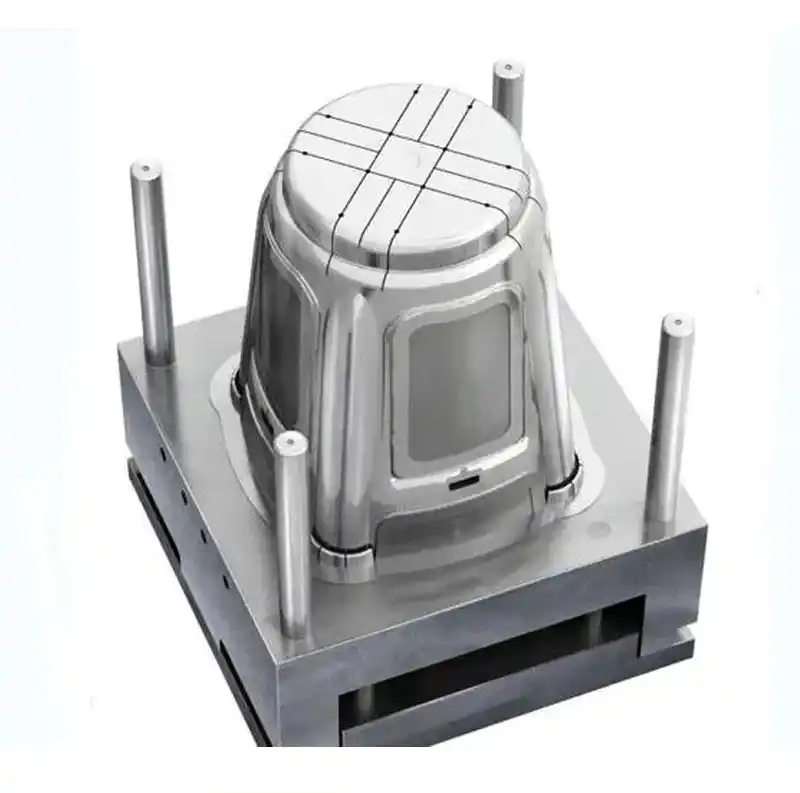

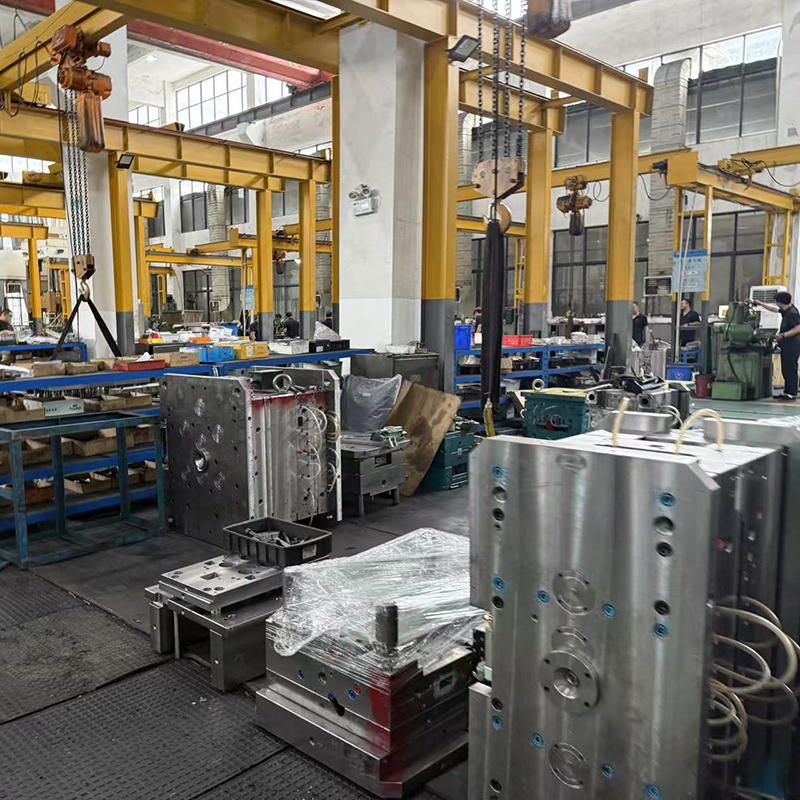
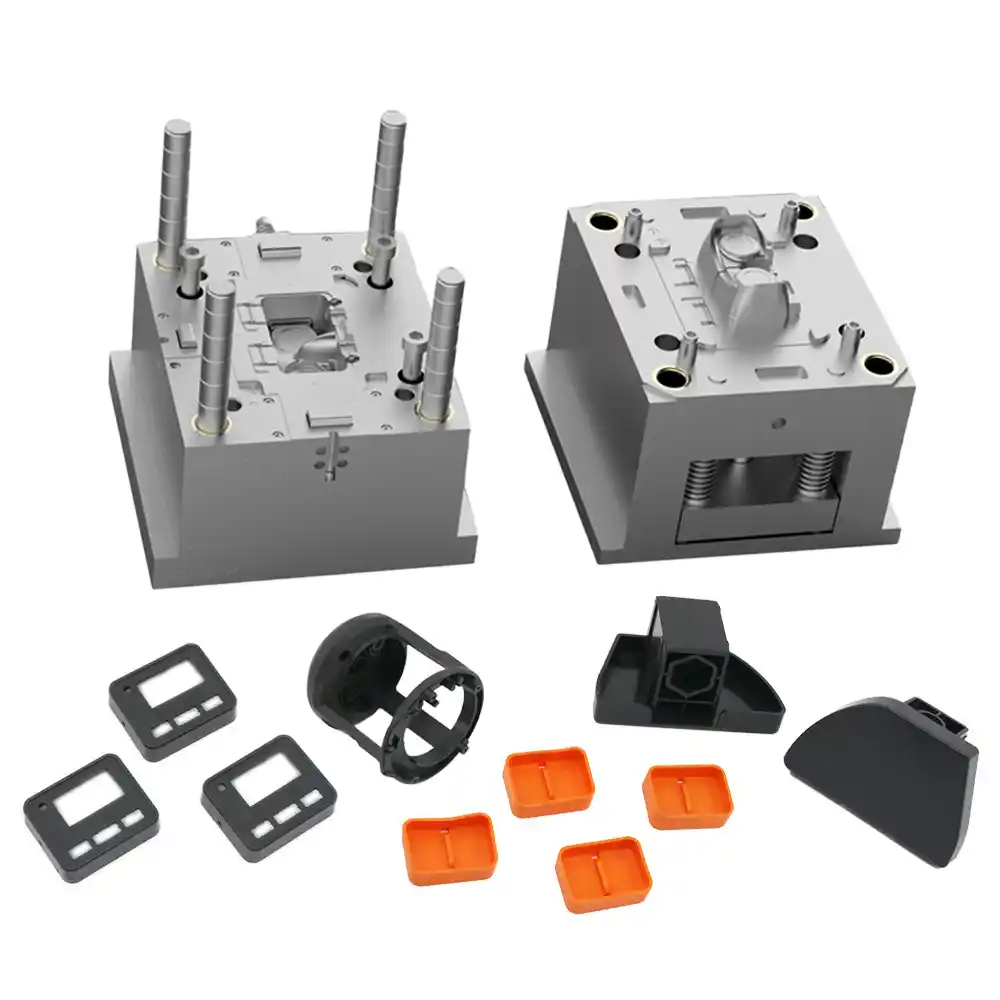
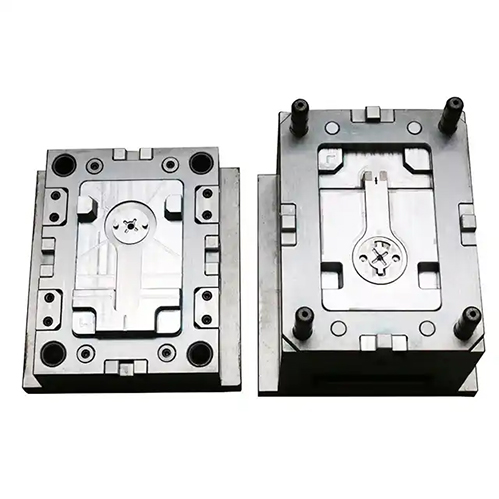
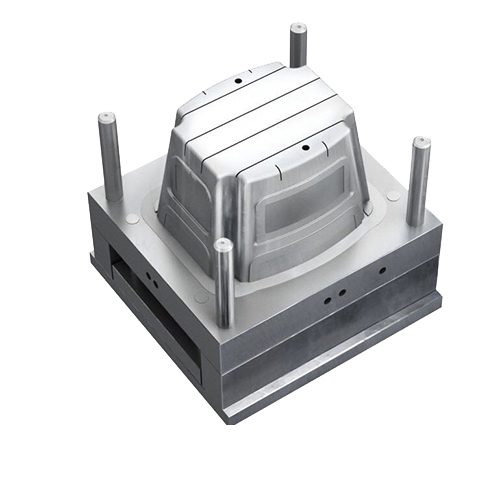
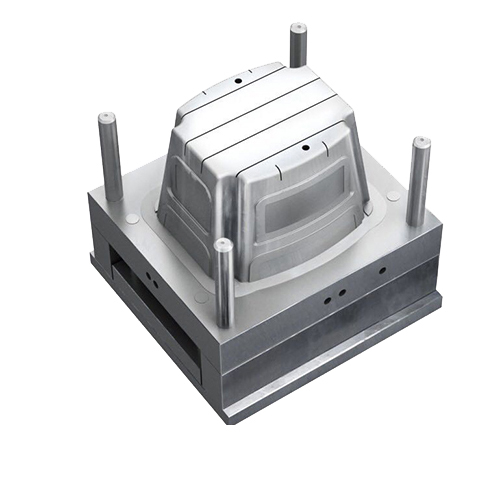
High quality Custom Cold Runner Injection Moulds
Custom Cold Runner Injection Moulds – Complete Product Detail Page
1. Product Introduction – Simple, Reliable, and Cost-Effective Moulding
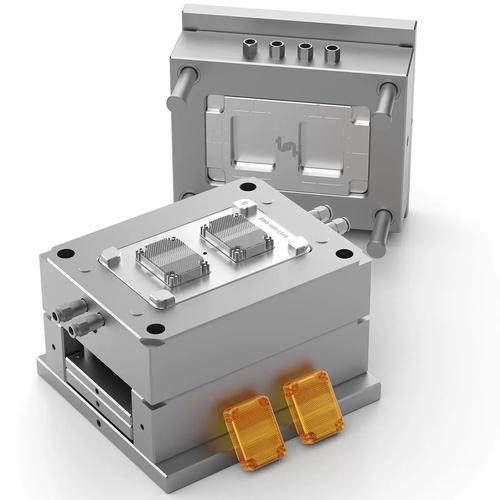
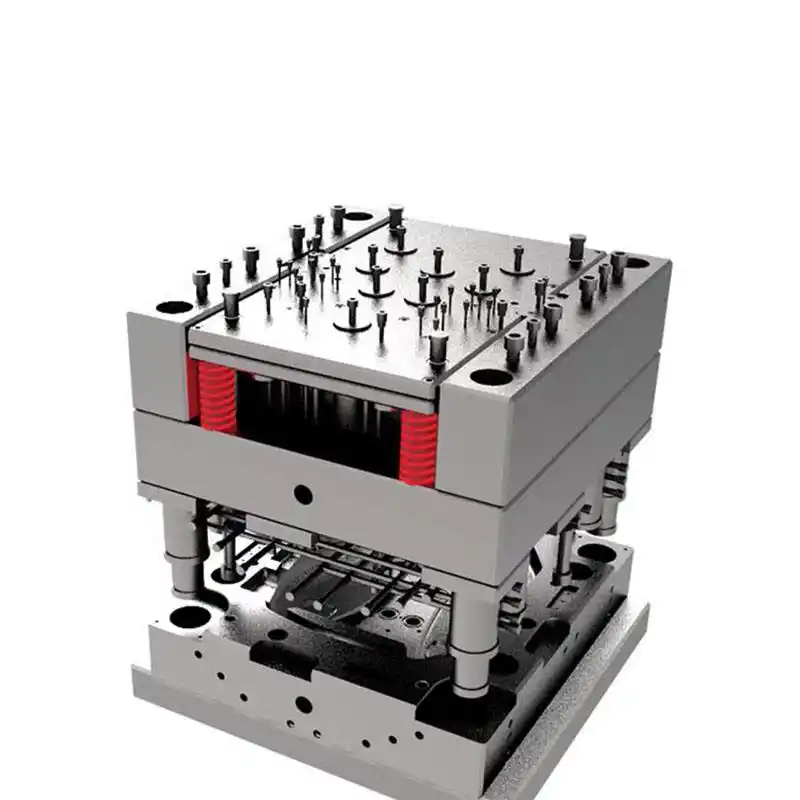
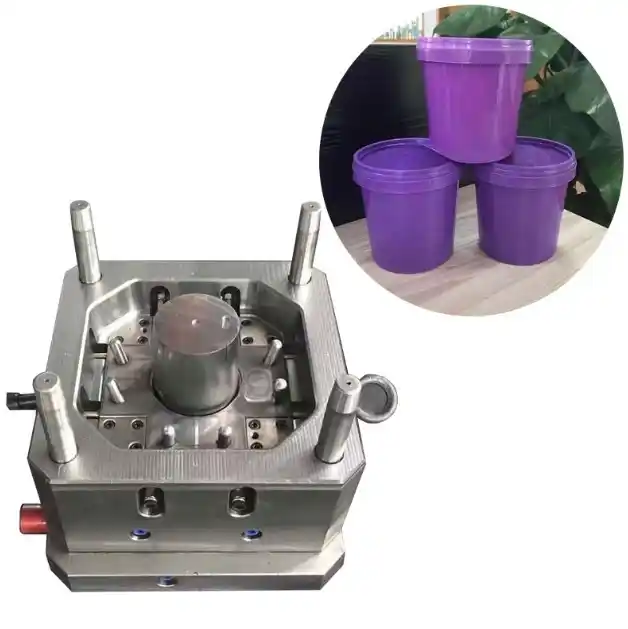
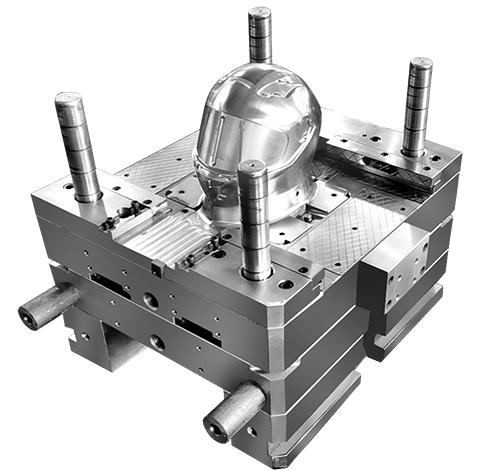
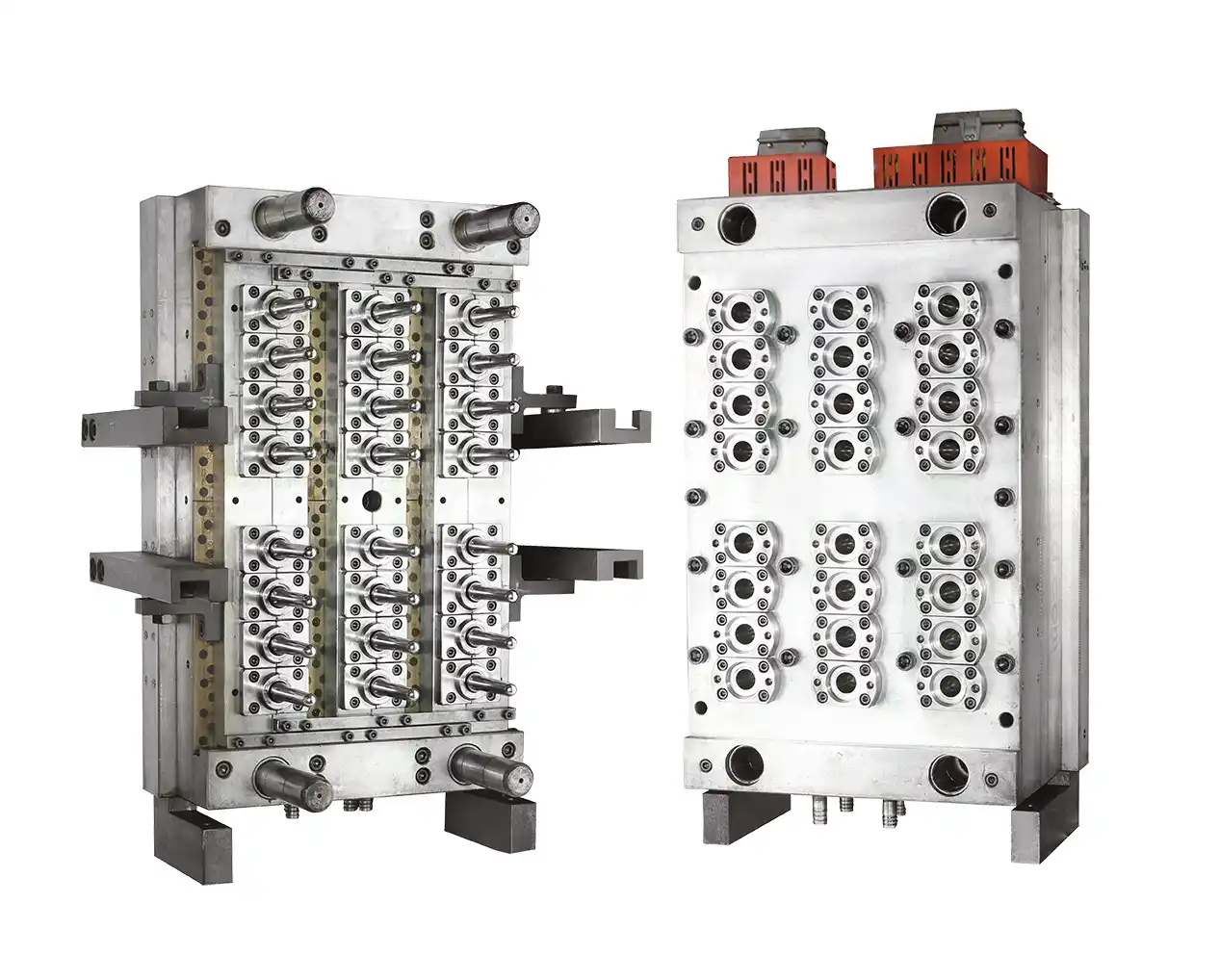
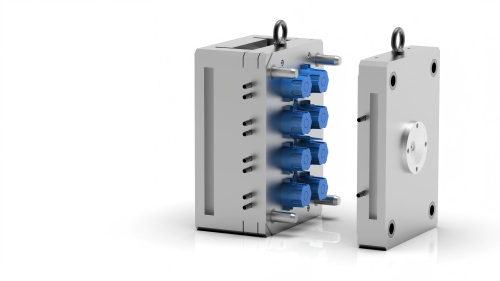
Our Custom Cold Runner Injection Moulds are conventional moulding systems where the molten plastic flows from the machine nozzle through a runner system (sprue, runners, and gates) that cools and solidifies with each cycle. The solidified runner is then ejected along with the moulded part and separated manually or automatically.
While hot runner systems offer material savings, cold runner moulds remain the preferred choice for many applications due to their lower initial cost, simpler operation, and exceptional reliability. They are ideal for prototype development, low-to-medium volume production, and materials that are sensitive to prolonged heat exposure.
For manufacturers of plastic battery housings, industrial components, and consumer products, our custom cold runner moulds deliver consistent quality without the complexity of heated manifolds and temperature controllers.
2. Key Benefits – Why Choose a Cold Runner Mould?
| Benefit | Description |
|---|---|
| Lower Initial Investment | Mould costs are 30–50% less than equivalent hot runner moulds |
| Simple Operation | No temperature controllers, no heaters, no valve gate sequencing |
| Proven Reliability | Fewer components mean fewer failure points – runs for millions of cycles |
| Material Flexibility | Works with heat-sensitive, glass-filled, and flame-retardant plastics |
| Fast Lead Time | 3–5 weeks for typical moulds (vs. 6–12 weeks for hot runner) |
| Easy Maintenance | Any local tool shop can perform repairs – no specialised training required |
For battery housing prototypes or medium-volume production (10,000–200,000 units/year), cold runner moulds often provide the best return on investment.
3. Cold Runner Mould Types – Two-Plate vs. Three-Plate
We design two types of cold runner moulds depending on your part geometry and gate location requirements.
3.1 Two-Plate Mould (Standard)
| Feature | Description |
|---|---|
| Operation | Mould opens along a single parting line |
| Runner location | Runner is in the same parting plane as the part |
| Gate types | Edge gate, fan gate, tab gate, or direct sprue gate |
| Runner removal | Manual or automatic (by robot or conveyor) |
| Best for | Parts where gate can be placed on an edge or hidden surface |
Typical application: Battery housing bottom covers, where the gate is placed on a non-visible surface.
3.2 Three-Plate Mould (Pin-Point Gate)
| Feature | Description |
|---|---|
| Operation | Mould opens at two parting lines |
| Runner location | Runner is in a separate plate from the part |
| Gate types | Pin-point gate (submarine or tunnel gate also available) |
| Runner removal | Automatic separation – runner falls away from part |
| Best for | Parts requiring gate on the top surface with no visible mark |
Typical application: Battery housing top covers or cosmetic components requiring a clean appearance.
4. Runner System Design – Optimising for Efficiency

The runner system is critical to part quality and material efficiency. Our engineers optimise every aspect.
4.1 Runner Balancing
Balanced runners – Equal flow length and pressure drop to all cavities
Unbalanced runners – Only for family moulds with different part volumes
Simulation software ensures all cavities fill simultaneously
4.2 Runner Sizing Guidelines
| Part Weight | Runner Diameter (round) | Runner Depth (trapezoidal) |
|---|---|---|
| <5g | 2–3mm | 2.5–3.5mm |
| 5–20g | 3–5mm | 3.5–5mm |
| 20–100g | 5–8mm | 5–8mm |
| >100g | 8–12mm | 8–12mm |
4.3 Gate Types
| Gate Type | Best For | Gate Removal |
|---|---|---|
| Edge gate | Rectangular parts, battery housings | Manual cutting or trimming |
| Fan gate | Thin, wide parts (prevents jetting) | Manual trimming |
| Tunnel (submarine) gate | Automatic degating – no visible mark | Self-detaches during ejection |
| Pin-point gate | Three-plate moulds, top gating | Automatic separation |
| Direct sprue gate | Large parts, single cavity | Manual sawing |
Recommendation for battery housings: Tunnel gates or edge gates placed on hidden surfaces provide clean parts with no secondary trimming.
5. Material Compatibility – Wide Range of Thermoplastics
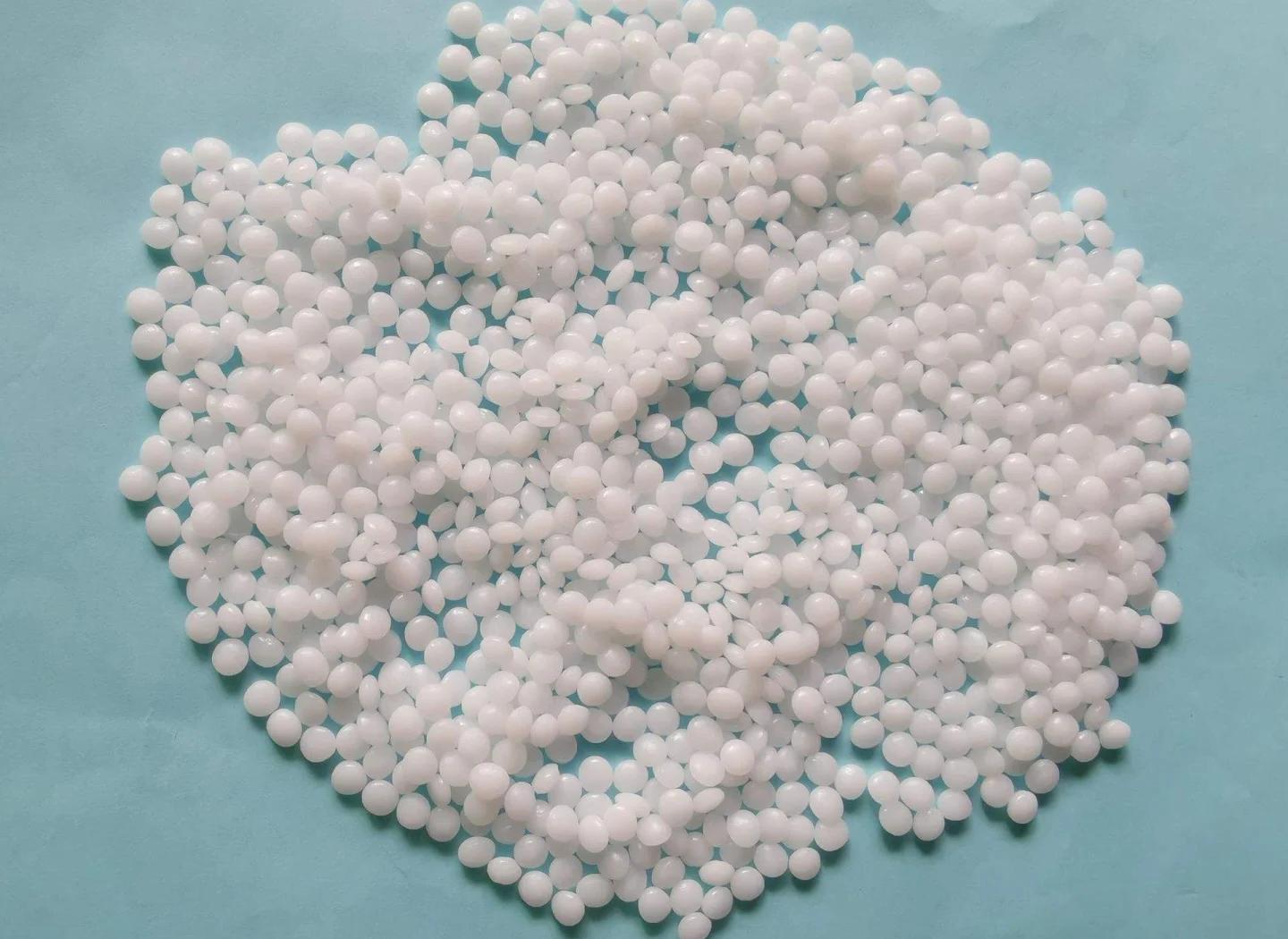
Cold runner moulds work with virtually all thermoplastic materials, including those that are difficult to run in hot runner systems.
| Material Family | Examples | Cold Runner Suitability |
|---|---|---|
| Standard | ABS, PS, PP, PE, HIPS | Excellent |
| Engineering | PC, PC/ABS, PA6, PA66, POM, PMMA (acrylic) | Excellent |
| Flame-retardant | UL94 V-0, V-1, V-2 grades (ABS, PC, PP) | Excellent – no degradation risk |
| Glass-filled | Nylon+GF, PC+GF, PBT+GF (10–50% glass) | Good – use wear-resistant steel |
| Heat-sensitive | PVC, POM (acetal) | Excellent – no hot manifold to degrade material |
| High-temperature | PEEK, PPS, PEI (Ultem) | Yes – standard mould steel works |
| Bio-resins | PLA, PHA, starch-based | Excellent |
Key advantage: Heat-sensitive and flame-retardant materials that may degrade in a hot runner manifold run safely in cold runner moulds with proper temperature control and cycle management.
6. Mould Construction – Built for Durability

6.1 Standard Components
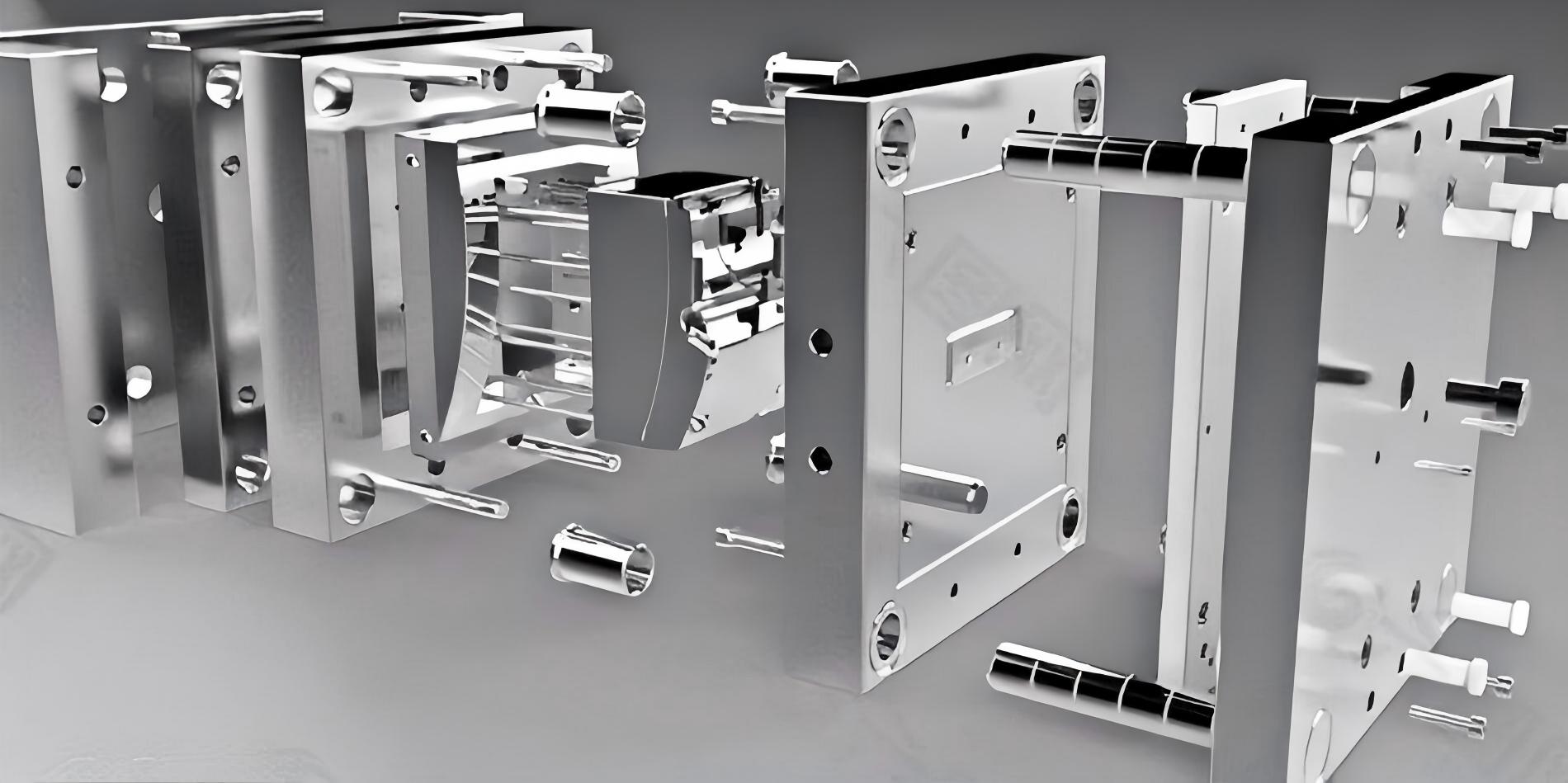
Guide pillars & bushings – Precision-ground for smooth operation
Ejector system – Pins, sleeves, or stripper plate as required
Cooling channels – Optimised layout for uniform cooling
Sprue bushing – Hardened steel with precise taper
Locating ring – To centre the mould on the machine platen
6.2 Cooling System Design
Proper cooling reduces cycle time and prevents warpage. We design:
Conformal cooling for complex geometries
Baffles and bubblers for deep cores
Straight-through channels for simple parts
Cycle time reduction: 15–30% vs. standard layouts
7. Manufacturing Process & Quality Control
7.1 Mould Manufacturing Steps
| Step | Description |
|---|---|
| 1. Design & DFM | 3D modelling, mould flow analysis, design for manufacturability review |
| 2. Material selection | Steel or aluminium based on volume and budget |
| 3. CNC machining | 3-axis or 5-axis milling, EDM for details |
| 4. Heat treatment | Hardening and tempering (for production steels) |
| 5. Grinding & polishing | Surface finish RA 0.4μm or better |
| 6. Fitting & assembly | All components assembled and aligned |
| 7. Testing | Dry cycle test, cooling circuit pressure test |
7.2 Quality Inspection Checklist
✅ Dimensional inspection of cavity/core (CMM, ±0.01mm)
✅ Surface finish verification (roughness tester)
✅ Cooling circuit flow test (no leaks, proper flow rate)
✅ Ejector system function (smooth travel, no binding)
✅ Gate and runner dimensions
✅ Hardness check (for production steels)
[IMAGE: Quality lab – CMM machine, hardness tester, pressure test equipment]
8. Applications – Industries We Serve
| Industry | Typical Parts | Why Cold Runner? |
|---|---|---|
| Battery & Energy Storage | Battery housings, cell holders, terminal insulators | Cost-effective for medium volume, works with UL94 V-0 materials |
| Medical | Syringe components, diagnostic parts, device enclosures | No degradation risk for sensitive materials |
| Automotive | Interior clips, under-hood covers, light housings | Reliable for high-volume production |
| Consumer Electronics | Remote controls, adapters, small enclosures | Fast lead time, low tooling cost |
| Packaging | Caps, closures, thin-wall containers | Multi-cavity moulds for high output |
| Industrial | Gears, handles, tool housings | Durable moulds for abrasive materials |
9. Project Workflow – From Concept to Production
Step 1: Design Review (3–5 days)
You provide: Part 3D model (STEP/IGES), material, target volume
We provide: DFM report, mould concept, cavity count recommendation, quote
Step 2: Mould Manufacturing (3–5 weeks)
Steel cutting, CNC machining, heat treatment, fitting
Weekly progress updates with photos
Step 3: Sampling (2–3 days)
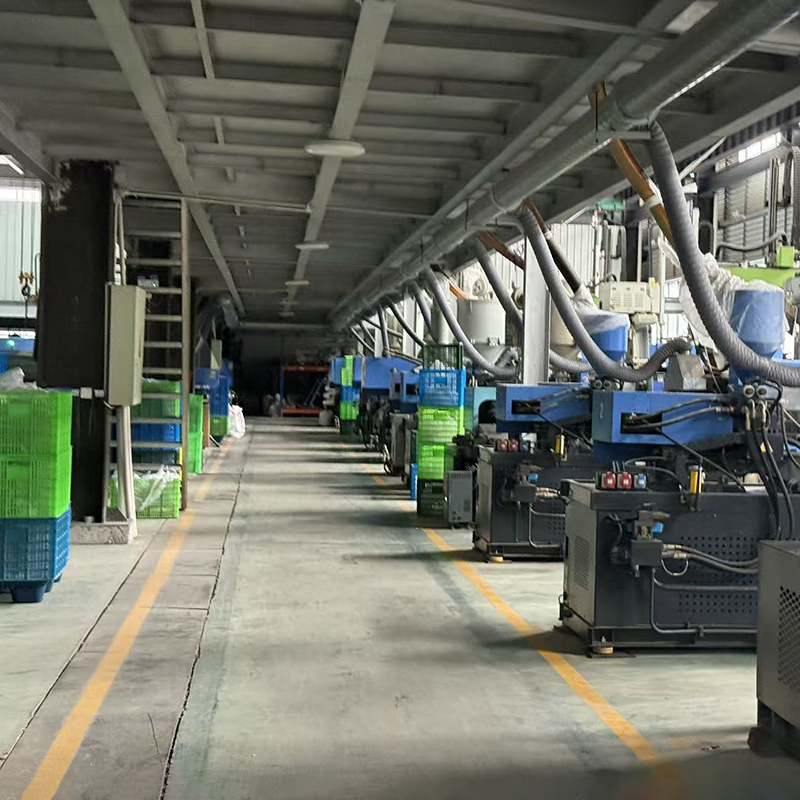
We run samples on our in-house moulding machines
Provide: 20–50 sample parts, process parameters, dimensional report
Step 4: Customer Approval (1 week)
You test parts for fit, function, and appearance
Any minor adjustments made at no charge
Step 5: Production or Delivery
Mould shipped with spare parts kit and maintenance manual
Or we run production for you (moulding service available)
Total lead time: 4–6 weeks typical
10. Technical Specifications – Complete Reference
| Parameter | Range / Options |
|---|---|
| Mould type | Two-plate or three-plate |
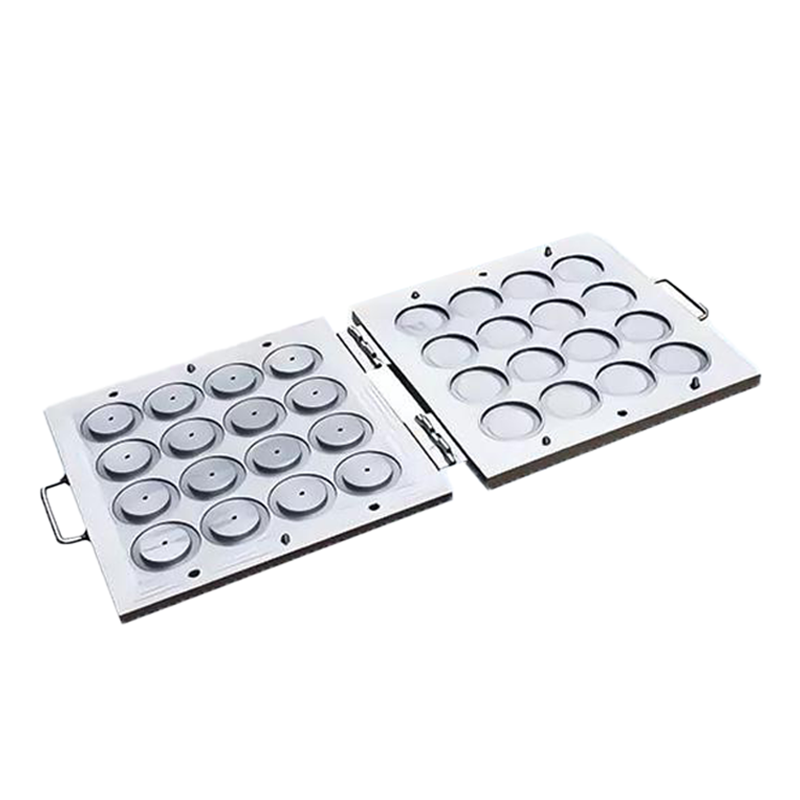
| Cavity count | 1, 2, 4, 8, 16, 32, or custom |
| Mould base steel | 1050 carbon, P20, H13, 420 stainless, or aluminium |
| Cavity/core steel | As above or upgraded (e.g., H13 for high wear) |
| Runner shape | Trapezoidal (standard), full round, or modified trapezoidal |
| Gate types | Edge, fan, tunnel (submarine), pin-point, direct sprue |
| Cooling | Straight channels, baffles, bubblers, or conformal |
| Ejection | Pins, sleeves, or stripper plate |
| Mould life (P20 steel) | 500,000+ cycles |
| Mould life (H13) | 1,000,000+ cycles |
| Lead time | 3–6 weeks (depending on complexity) |
| Warranty | 12 months on workmanship and materials |
11. Why Choose Us for Your Cold Runner Moulds?
With over 15 years of experience in injection mould manufacturing, we offer:
In-house mould design and manufacturing – No outsourcing, full control
Free DFM (Design for Manufacturing) report – We optimise your design before cutting steel
Competitive pricing – 20–30% lower than many competitors for equivalent quality
Fast lead times – 3–5 weeks for most cold runner moulds
Low MOQ – We build moulds for prototypes (100 parts) through high-volume (1M+ parts)
Spare parts kit – Every mould includes a spare parts kit (ejector pins, springs, etc.)
Global shipping – Air, sea, or express with secure crating
What our customers say:
*“We needed a cost-effective mould for our new battery housing. Their cold runner solution delivered perfect parts at half the cost of hot runner quotes. The mould has run 200,000 cycles with zero issues.”* – Product Manager, Energy Storage Company
12. Request a Quote – Start Your Cold Runner Mould Project Today
Ready to build a reliable, cost-effective cold runner mould for your plastic parts?
What we need to get started:
Part 3D model (STEP, IGES, STP, or even hand sketch for early discussion)
Material type and grade (e.g., ABS, PC/ABS, UL94 V-0 PP)
Estimated annual volume (e.g., 50,000 units/year)
Moulding machine specifications (tonnage, platen size – if known)
Any special requirements (gate location, cosmetic surface, etc.)
What exactly are your OEM services?
Our OEM (Original Equipment Manufacturing) service allows you to bring your unique outdoor gear ideas to life. We handle the entire product development and manufacturing process based on your specifications, designs, and brand requirements. From initial concept and material sourcing to prototyping, production, and quality control, we become your dedicated manufacturing partner. Your brand logo and identity will be applied to the final products.What is your MOQ (Minimum Order Quantity)?
We understand that brands need flexibility, especially when launching new products. Therefore, we offer flexible MOQs, which vary depending on the product complexity, materials required, and customization level. We encourage you to discuss your project with us, and we will do our best to propose a feasible MOQ.Can you help us develop a product from just an idea or a sketch?
Absolutely! We specialize in turning concepts into high-quality, market-ready products. Our product development team will work closely with you to refine your idea, select appropriate materials, create technical drawings, and develop prototypes until your vision is perfectly realized.What are the typical steps in the OEM process with your company?
1.Initial Inquiry & Consultation: You share your concept, target market, and requirements. 2.Quotation & Agreement: We provide a detailed quotation, and once approved, we sign a service agreement. 3.Research & Development (R&D): Our team works on technical designs, material selection, and sample development. 4.Prototyping: We create a physical prototype for your evaluation and feedback. 5. Molds:After design confirming, we will creat mold before production. 5.Sample Approval: You approve the final sample, confirming quality, design, and functionality. 6.Mass Production: Upon your production order confirmation, we begin manufacturing your products. 7.Rigorous Quality Control (QC): We conduct inspections throughout production and a final random inspection before shipment. 8.Shipping & Delivery: We securely pack and arrange shipment to your designated destination.How long does the entire process take from concept to delivery?
The timeline varies significantly based on product complexity and order quantity. A general estimate is: Development & Sampling: 4-8 weeks. Mass Production: 4-6 weeks after sample approval. Please note that this is an estimate, and a precise timeline will be provided with your project quotation.Who owns the intellectual property (IP) and mold/tooling for the custom products?
You retain 100% ownership of your brand identity, designs, and product IP. For any custom molds or tooling created specifically for your project, ownership can be transferred to you upon agreement. We strictly adhere to confidentiality and will never use your designs for other clients.How do you determine the price for an OEM order?
The unit price is determined by several factors, including: Product complexity and design Cost of raw materials Labor and manufacturing processes involved Order quantity Packaging requirements We strive to offer competitive pricing without compromising on quality.What is your quality control process?
Quality is our top priority. Our QC process includes: Incoming Quality Control (IQC): Inspection of all raw materials. In-Process Quality Control (IPQC): Checks during key stages of production. Pre-Shipment Inspection (PSI): A final random inspection of finished products against your approved sample and our quality standards. We can provide detailed QC reports.Can we inspect the products before they are shipped?
Yes. We highly recommend a pre-shipment inspection. You are welcome to send your own QC inspector, or you can hire a third-party inspection company to perform the check at our factory. We can also provide you with photos and videos of the production and final products.How do you handle shipping?
We have extensive experience in shipping outdoor gear globally. We can handle the logistics for you and arrange shipment via sea (for large volumes) or air (for smaller, urgent orders). We work with reliable freight forwarders to ensure a smooth process. Shipping costs will be included in your final quotation.
Related Products