Molds technical
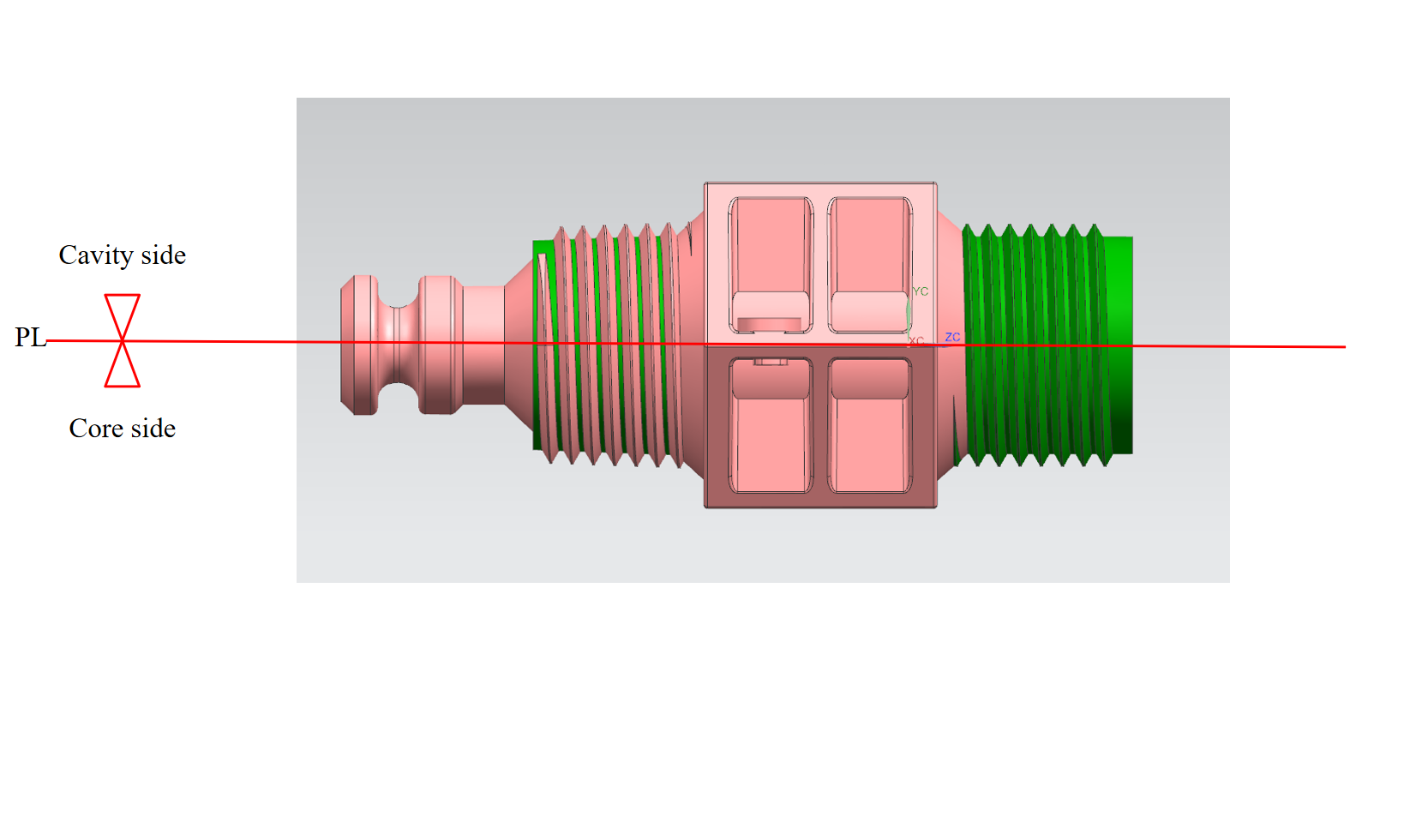
 202605-19In the hidden world of injection molding — where plastic granules transform into smartphone cases, car dashboards, and medical syringes — one decision determines success or failure before the first shot is fired: the parting line. The way a mold is split into two halves (core and cavity) affects product aesthetics, structural integrity, cycle time, and cost. Yet for many non‑specialists, “how to part a mold” remains a mystery. This article explains the principles, methods, and trade‑offs of mold parting — and why it deserves as much attention as the molding machine itself.
- 202603-09In the landscape of modern manufacturing, injection molding stands as a colossus, responsible for producing an astonishing array of plastic components that define our daily lives. From the intricate housings of medical devices to durable automotive interiors and consumer electronics, the process is revered for its speed, repeatability, and ability to create complex geometries. However, beneath the surface of this high-efficiency process lies a complex interplay of physics, material science, and engineering precision. When these elements fall out of balance, defects emerge—compromising aesthetics, structural integrity, and driving up costs through scrap and rework. For manufacturers striving for zero-defect production, understanding the "why" behind these imperfections is not just a technical necessity but a competitive advantage. This in-depth report explores the most pervasive injection molding defects, their root causes, and the advanced strategies—from design optimization to Industry 4.0 process control—that are shaping the future of flawless part production.
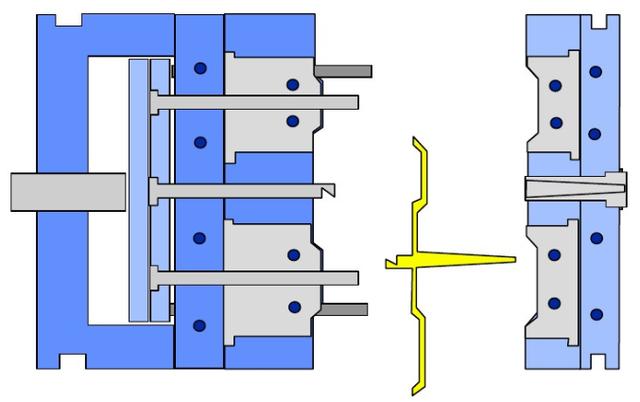
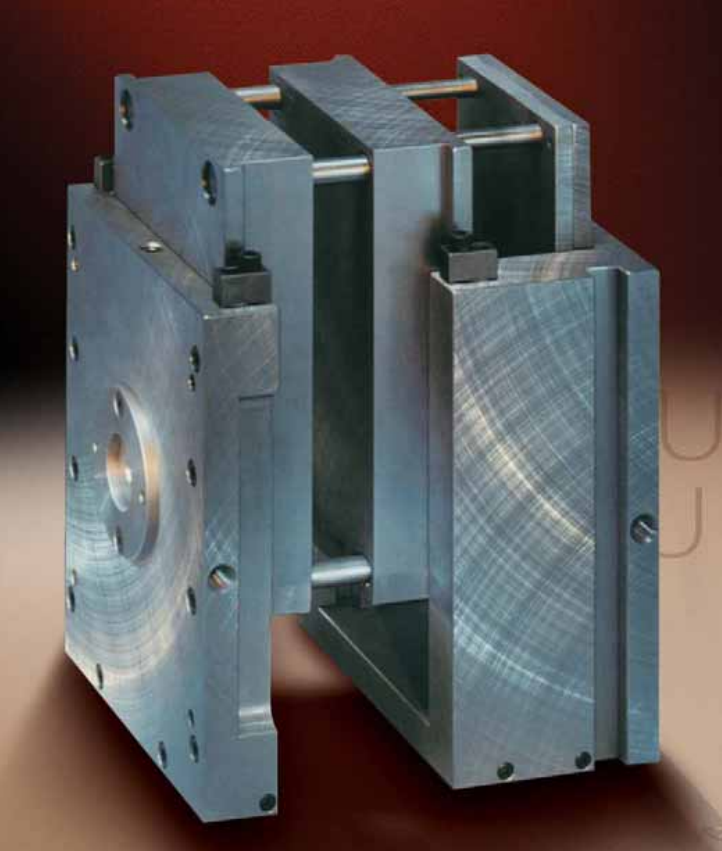
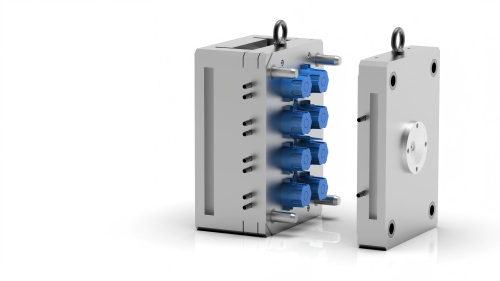
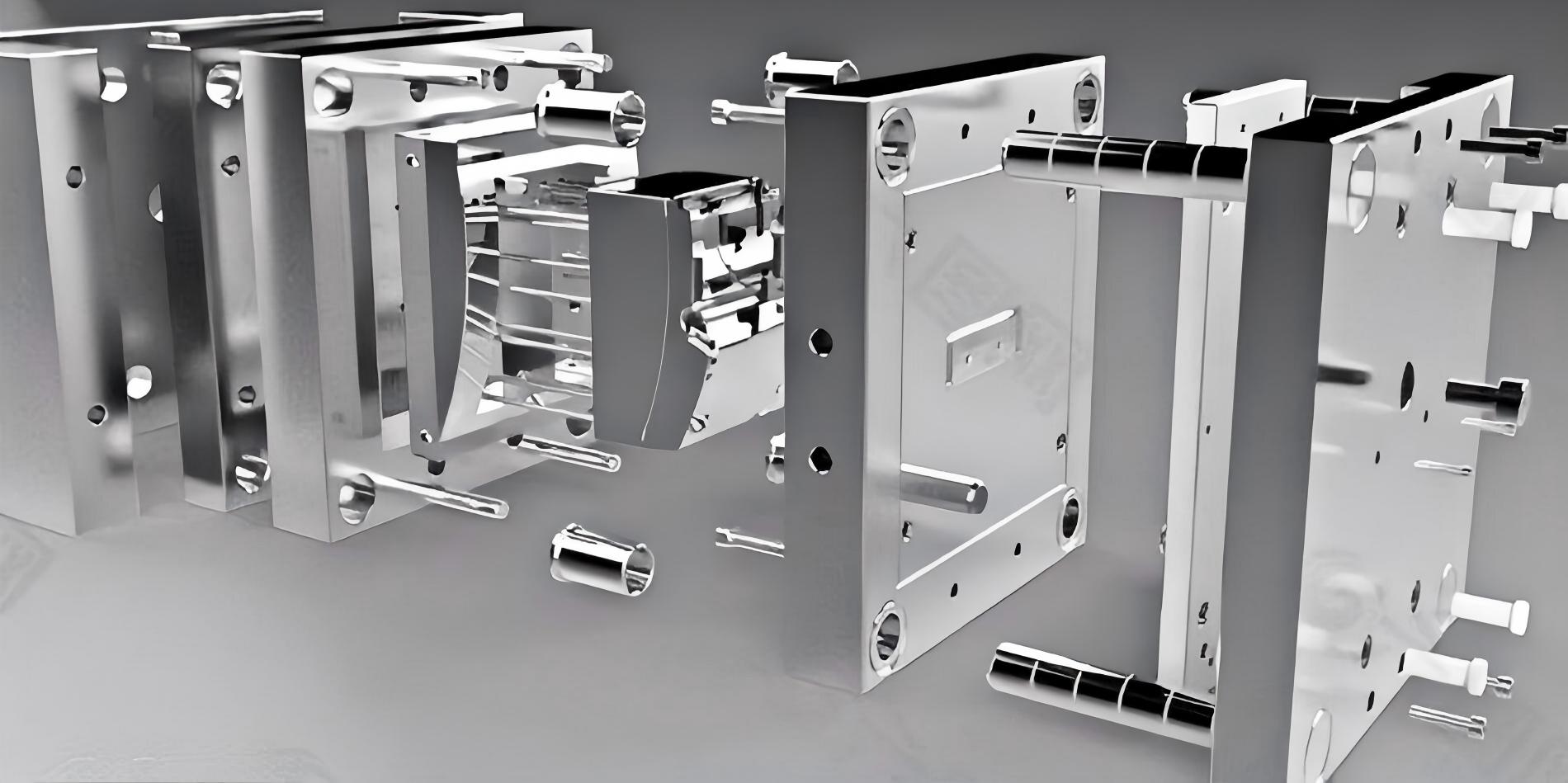
- 202602-05Injection molding is one of the most widely used manufacturing processes for producing plastic parts, from simple household items to complex automotive components. At the heart of this process lies the injection mold—a precision tool that dictates the quality, consistency, and efficiency of production. This article explores the intricate structure and sophisticated systems of injection molds, providing a detailed overview of their design, functionality, and operation.
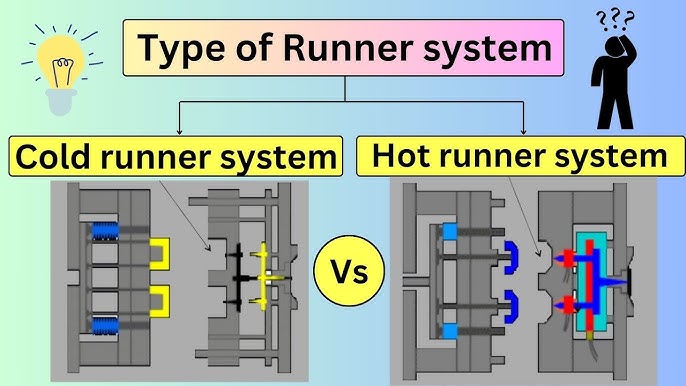
- 202512-01Cold Runner Systems: The traditional approach. How it works: Unheated channels solidify with each cycle, creating a runner that must be separated and recycled. Pros: Lower mold cost, better for heat-sensitive materials, easier color changes. Cons: High material waste, slower cycle times, added cost for recycling runners. Hot Runner Systems: The advanced, modern approach. How it works: A heated manifold keeps plastic molten in the channels, injecting it directly into cavities with no solid runner. Pros: Eliminates material waste, faster cycle times, superior part quality and aesthetics. Cons: Higher initial mold cost, more complex process control, difficult color changes.
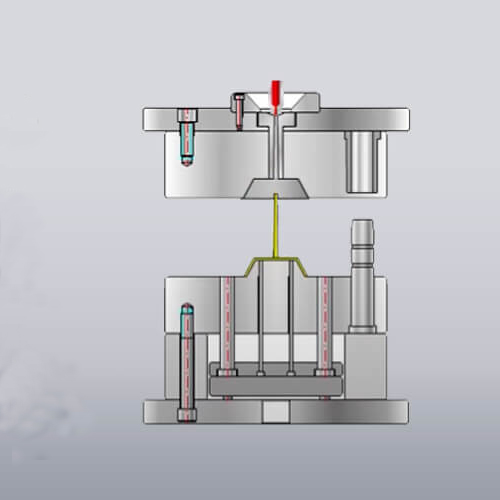
- 202511-28Samgo clarifies the key choice in injection molding. Two-plate molds offer a simpler, more cost-effective design, while three-plate molds allow for automated runner separation and central gating, ideal for high-volume automation but at a higher initial cost and complexity.