
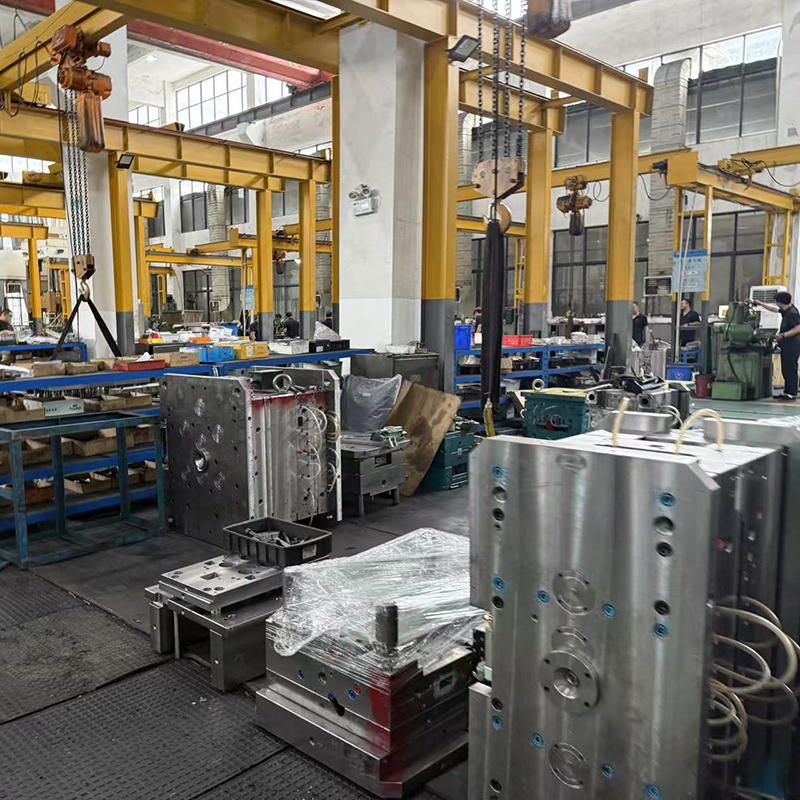
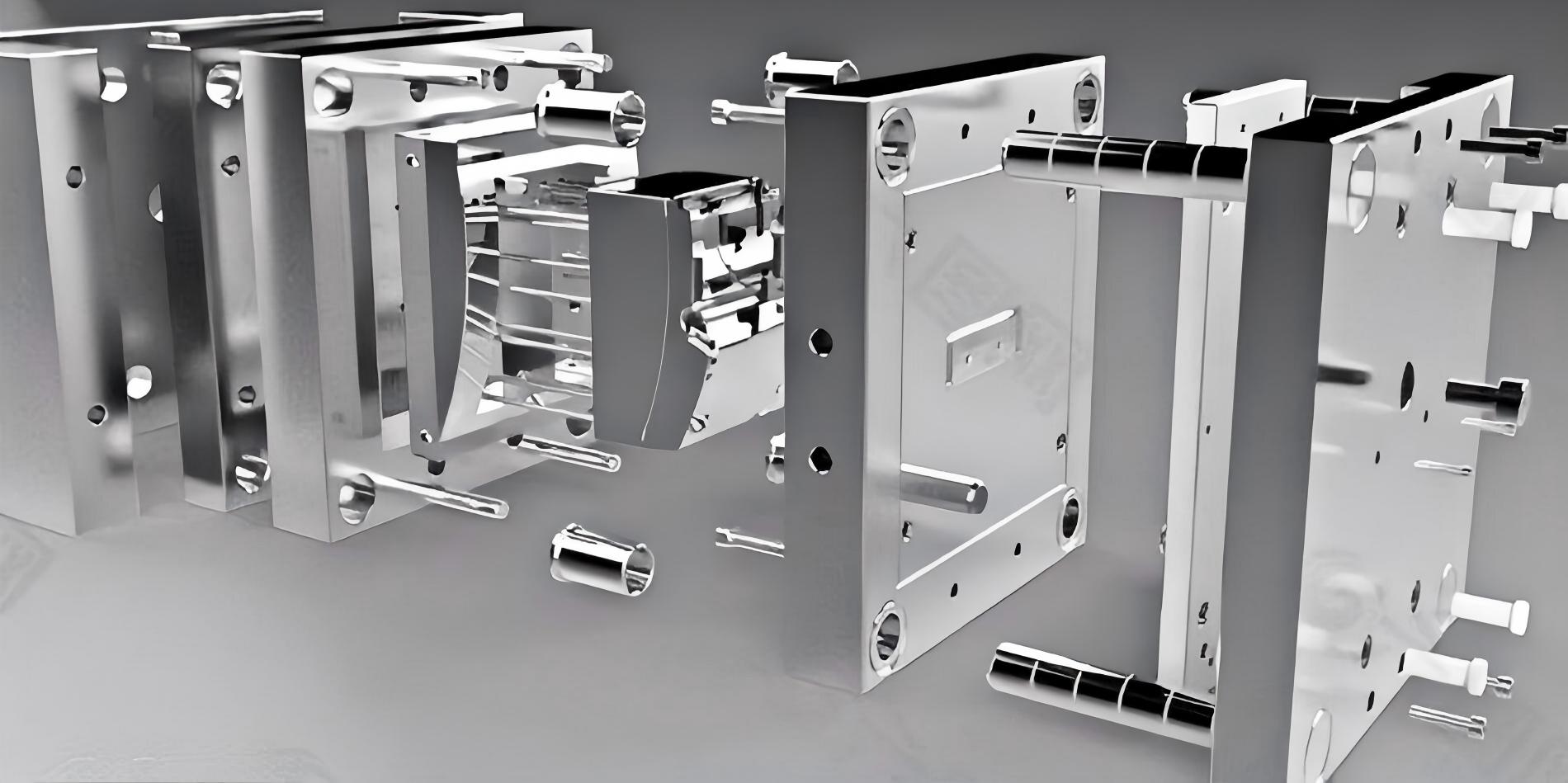
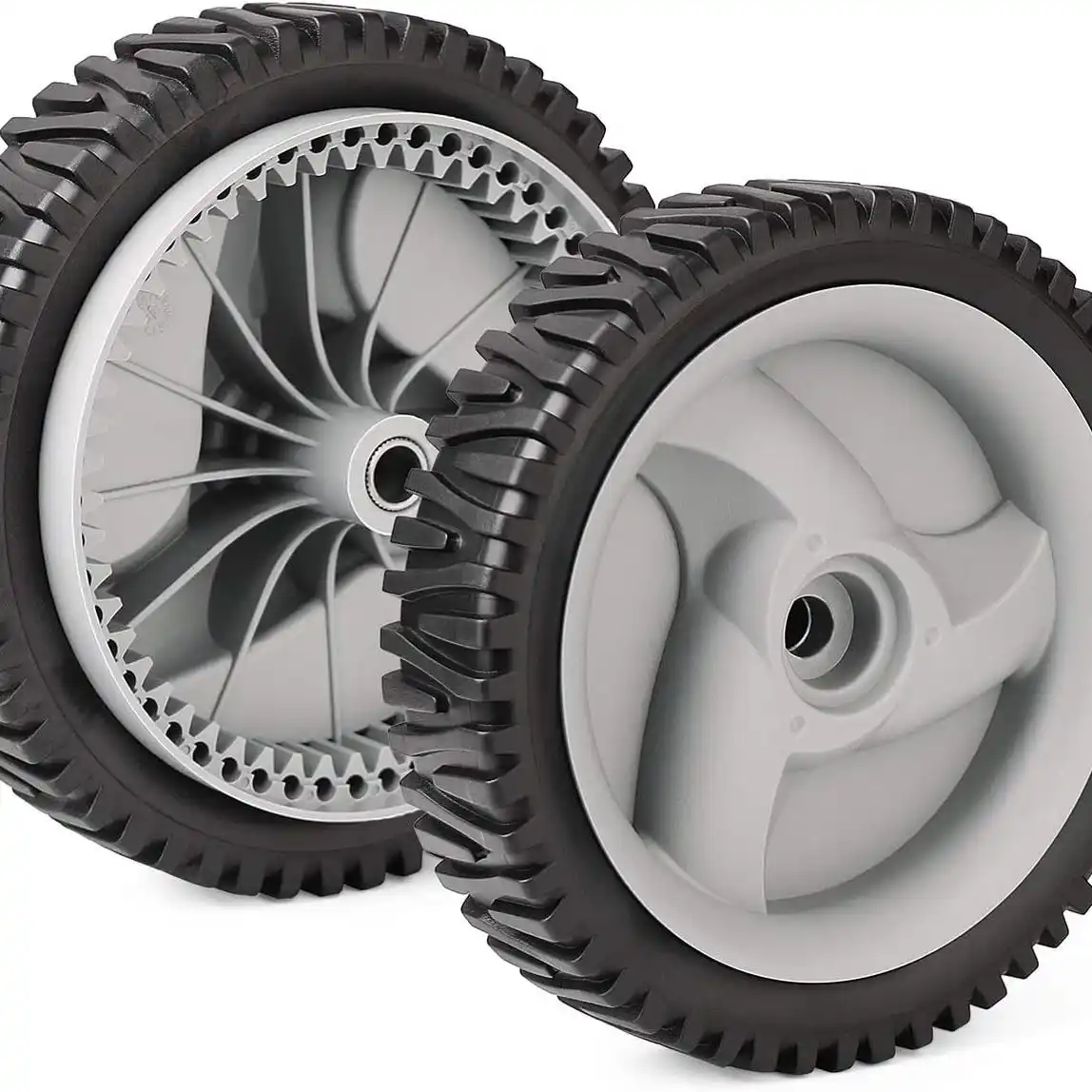
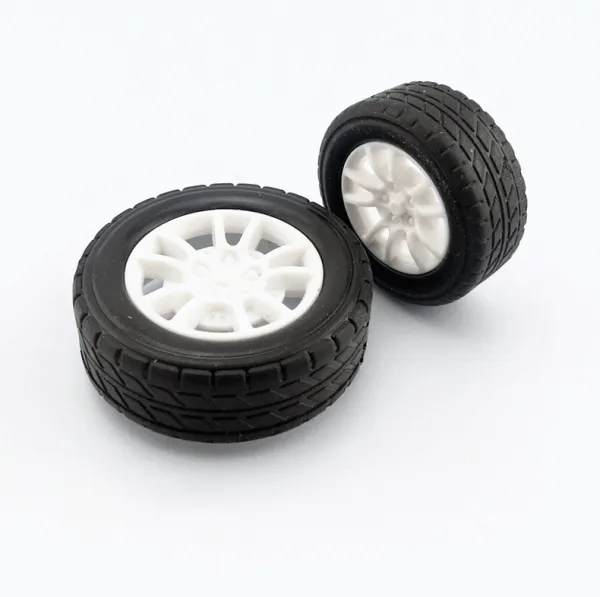
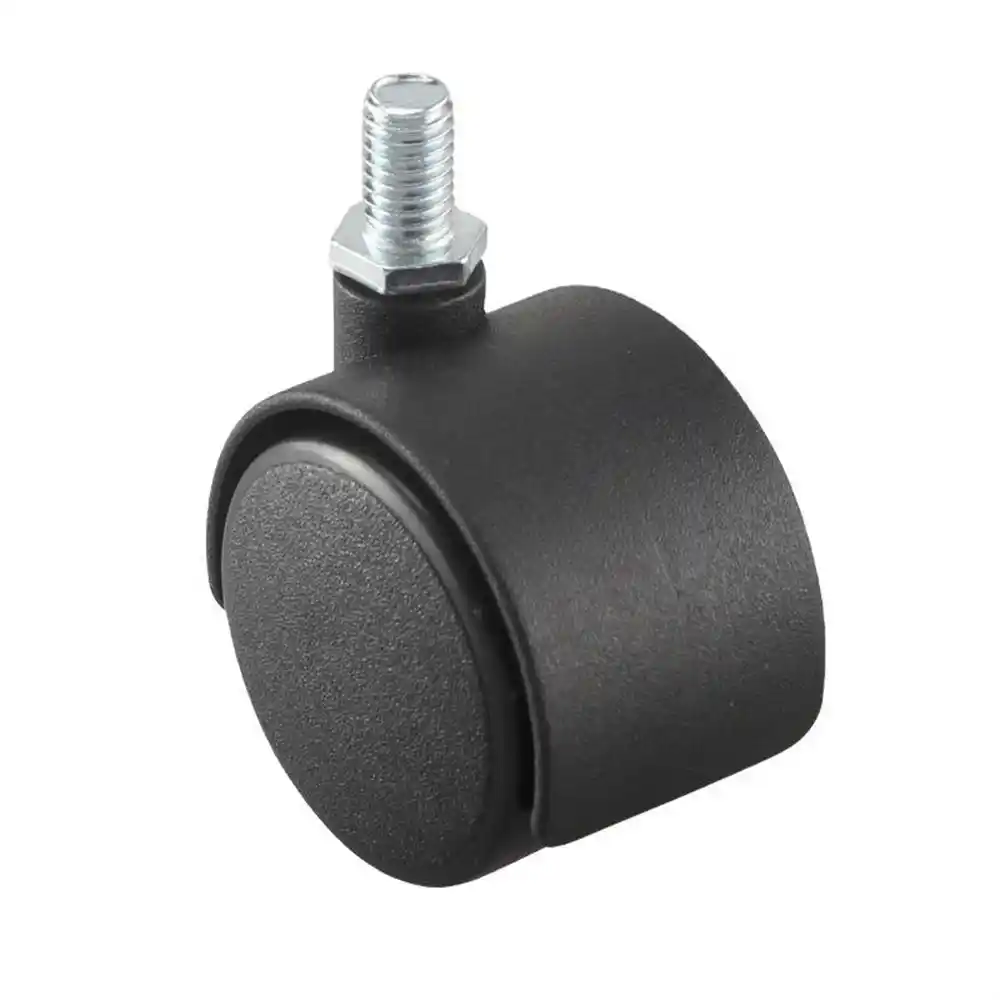
Custom Injection Moulds for Plastic Wheels
Custom Injection Moulds for Plastic Wheels
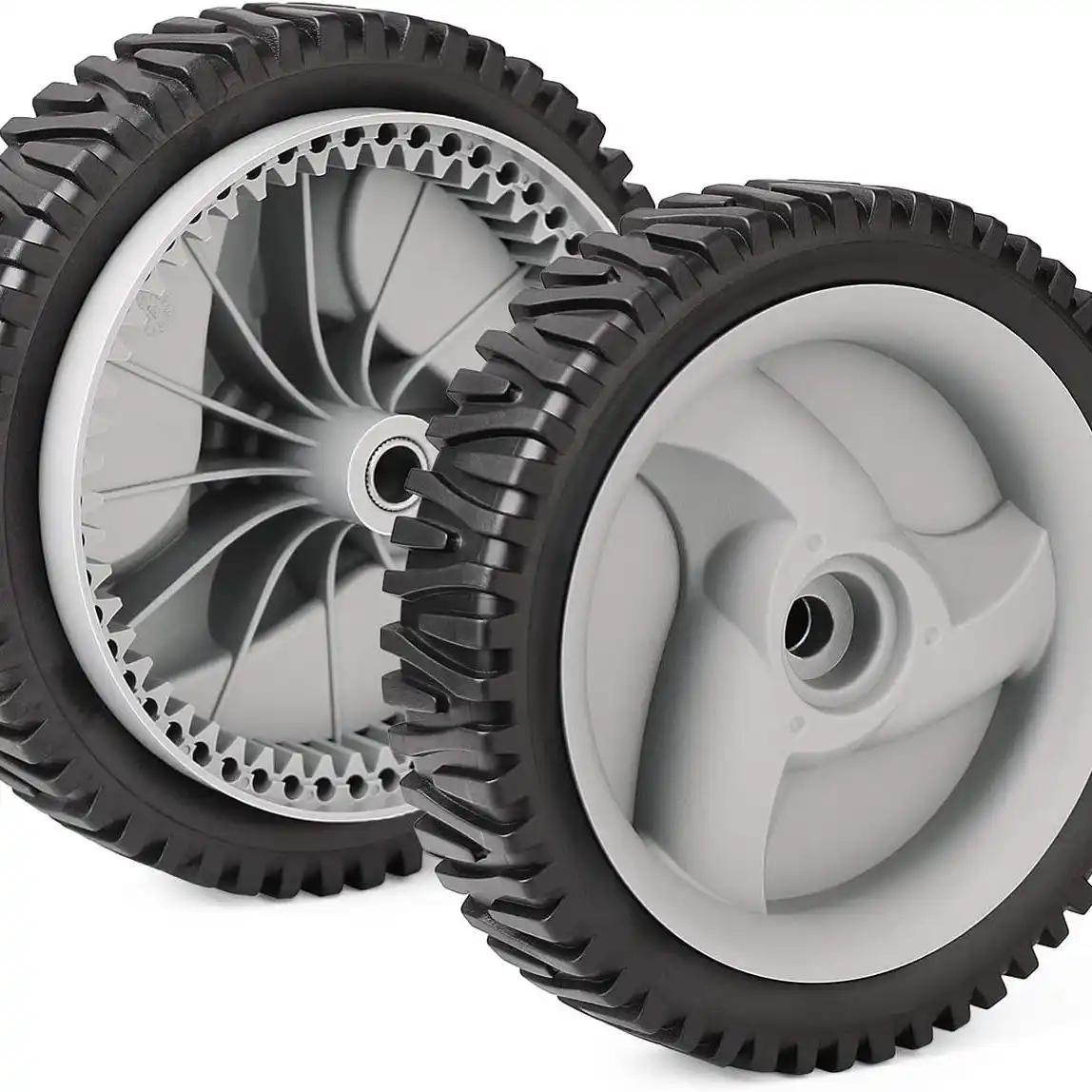
1. Product Introduction – Precision Moulds for Reliable Plastic Wheels
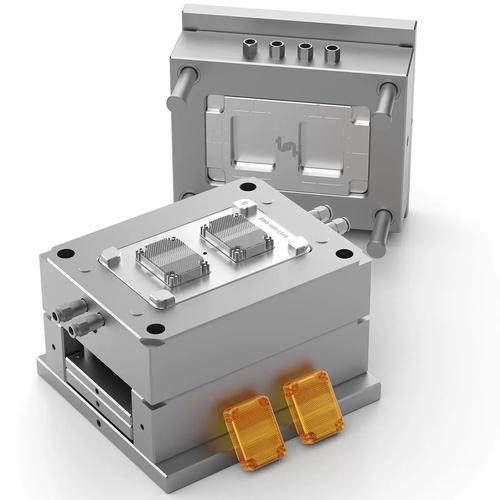
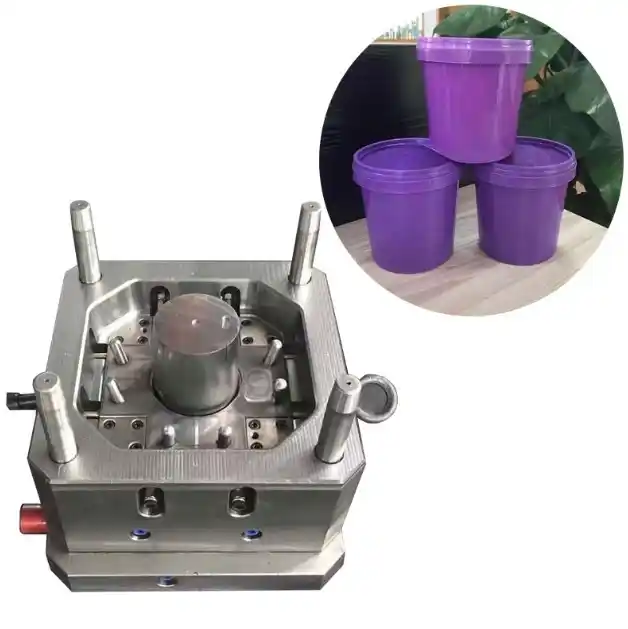
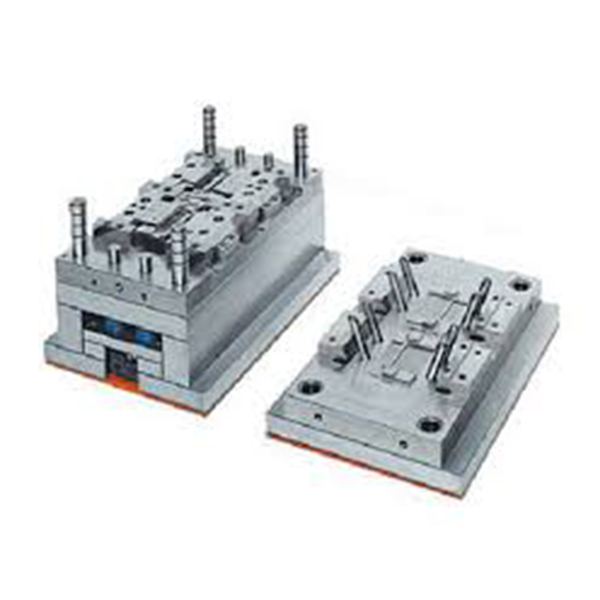
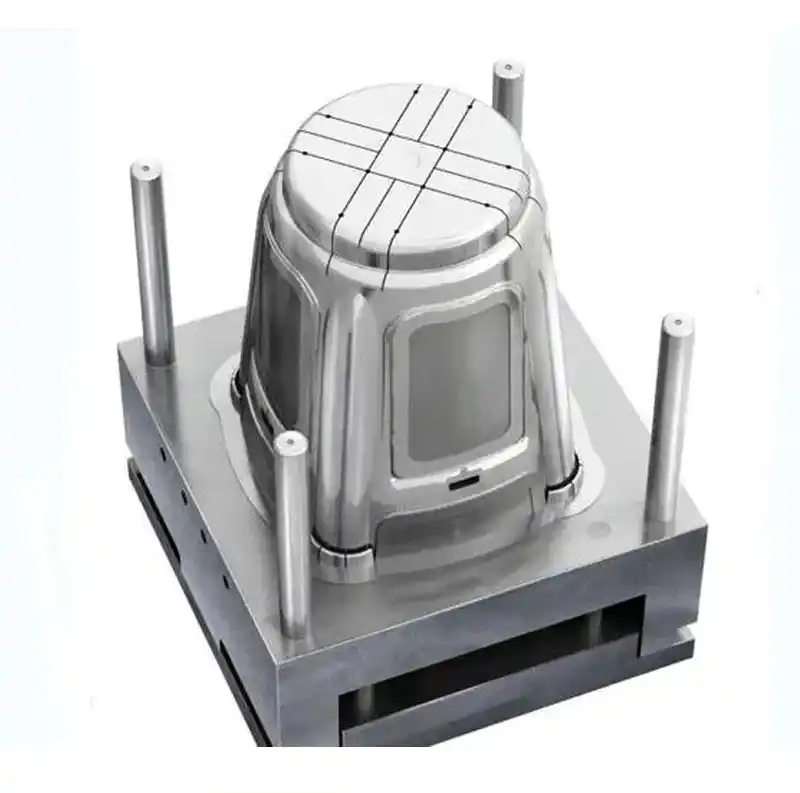
Our Custom Injection Moulds for Plastic Wheels are precision tooling systems designed to produce high-quality plastic wheels for a wide range of applications — from furniture casters and industrial trolleys to toys, luggage, and medical equipment.
Plastic wheels present unique moulding challenges. They require perfect roundness, concentric axle holes, balanced weight distribution, and smooth rolling surfaces. Many wheels also integrate bearings, tread patterns, or reinforcing ribs. Our moulds are engineered to meet these demands with advanced cooling, balanced runner systems, and durable steel construction.
Whether you need small caster wheels, heavy-duty industrial wheels, or colourful toy wheels, our custom moulds deliver parts that roll smoothly, wear evenly, and perform reliably — cycle after cycle.
2. Key Benefits – Why Choose Our Plastic Wheel Moulds?
| Benefit | Description |
|---|---|
| Perfect Roundness | Tolerances of ±0.05mm ensure smooth rolling and reduced vibration |
| Concentric Axle Holes | Precision core pins guarantee axle hole alignment with wheel centre |
| Design Integration | Mould in bearings, tread patterns, ribs, and hubcap snap-fits |
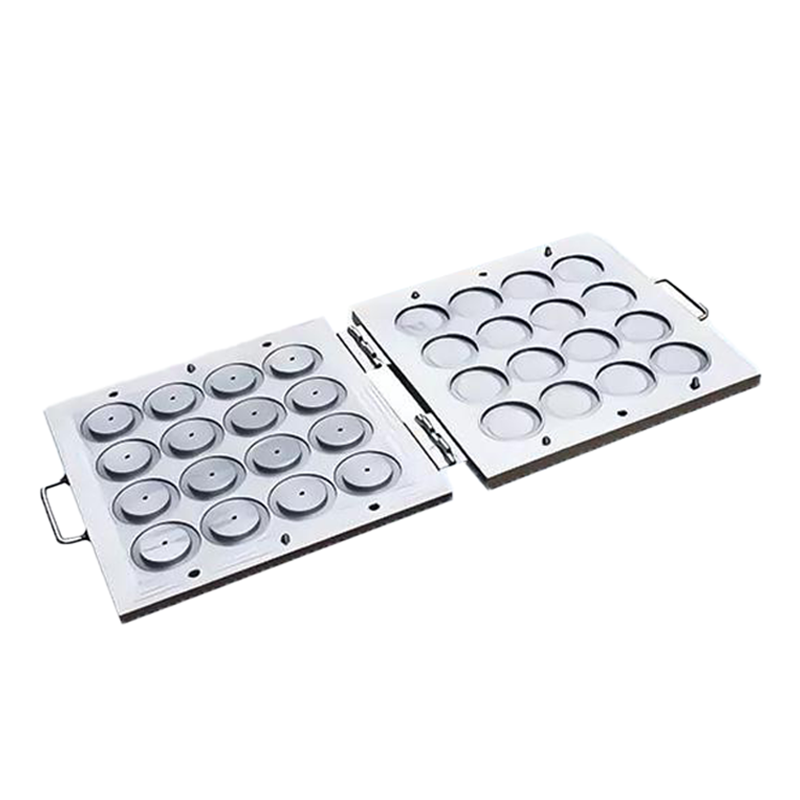
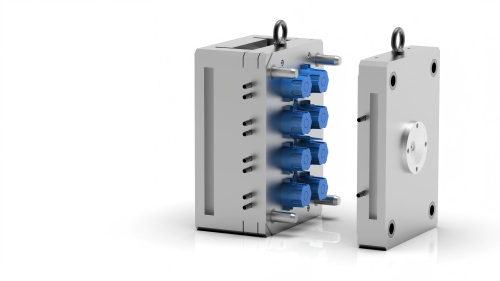
| Multi-Cavity Options | 2, 4, 8, or 16 cavities for high-volume wheel production |
| Durable Construction | P20, H13, or stainless steel – 500,000 to 1,000,000+ cycles |
| Cost Efficiency | Lower per-part cost through multi-cavity moulds and fast cycles |
For wheel applications ranging from 20mm furniture casters to 200mm industrial wheels, our moulds deliver the perfect balance of precision, durability, and productivity.
3. Types of Plastic Wheels We Mould – Applications Across Industries
| Industry | Wheel Type | Key Features |
|---|---|---|
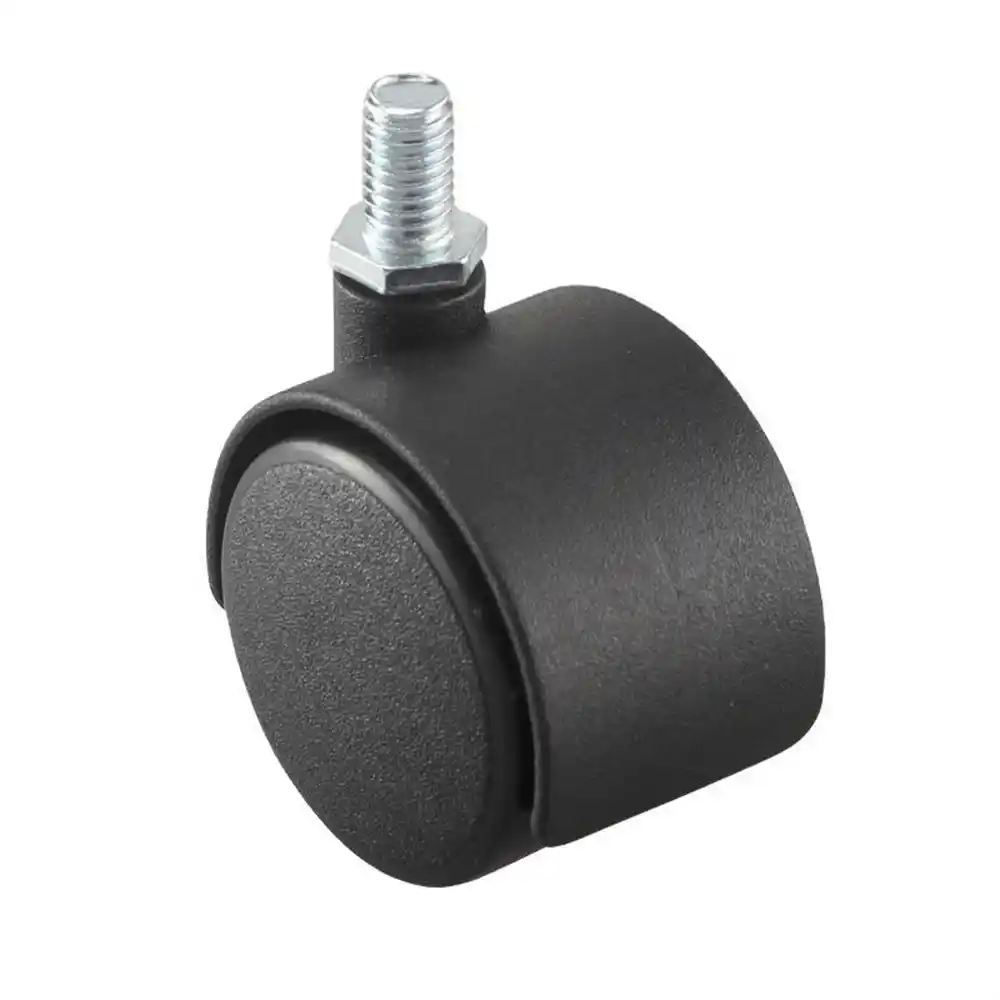
| Furniture & Appliances | Caster wheel, roller wheel | Smooth rolling, low noise, snap-fit hubcap |
| Material Handling | Trolley wheel, cart wheel, pallet wheel | Heavy-duty, reinforced ribs, bearing housing |
| Toys & Children's Products | Toy car wheel, ride-on wheel, scooter wheel | Colourful, tread pattern, snap-fit axle cap |
| Luggage & Travel | Suitcase wheel, bag caster | Low profile, 360° rotation, quiet rolling |
| Medical Equipment | Hospital bed wheel, IV stand caster | Soft tread option, brake feature, easy cleaning |
| Industrial | Conveyor roller, heavy-duty caster | High load capacity, chemical resistance, metal bearing insert |
4. Custom Design Features – What We Can Integrate Into Your Wheel Mould
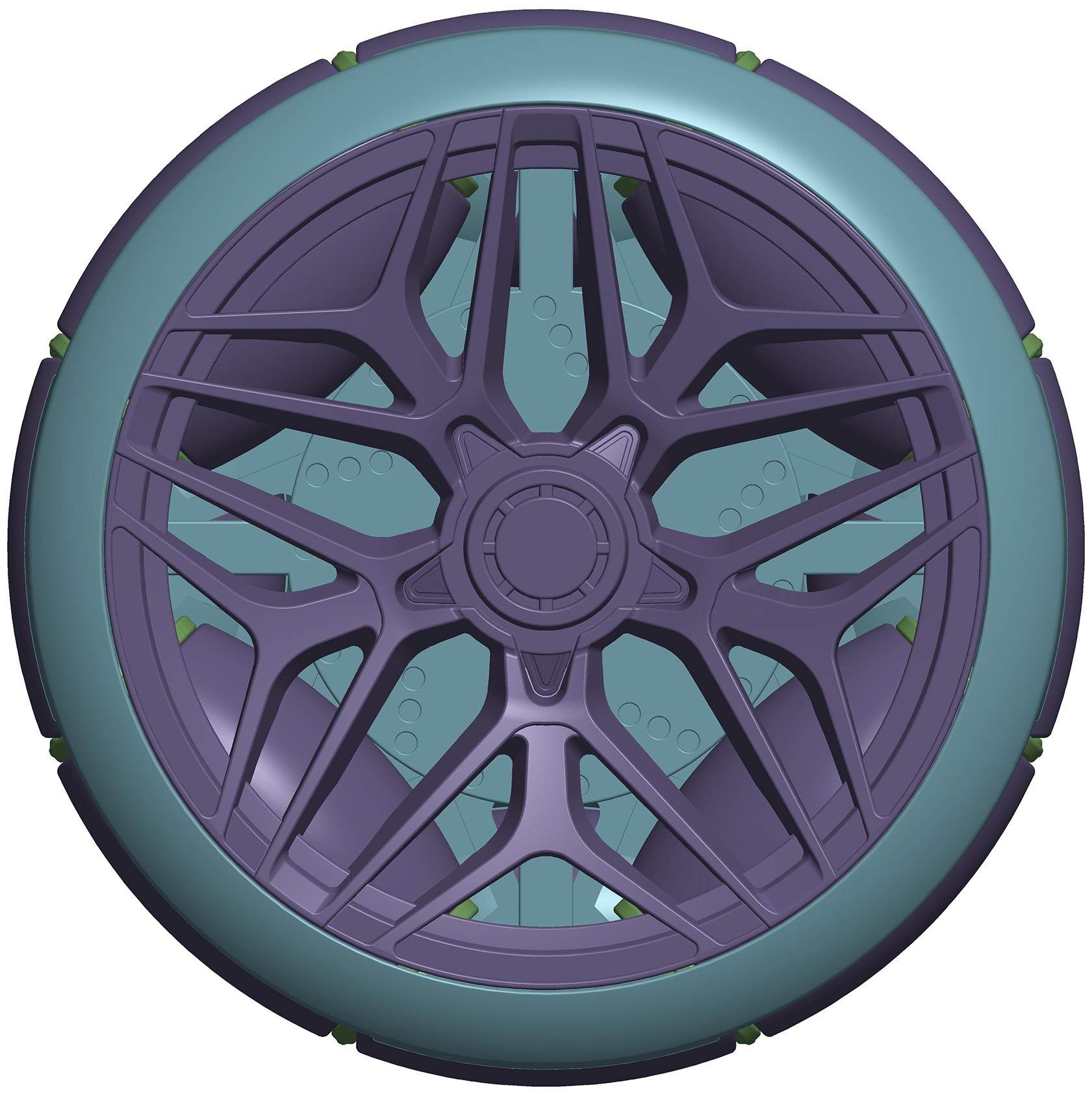
Our moulds are designed to accommodate a wide range of wheel-specific features:
4.1 Axle & Mounting Features
| Feature | Description | Typical Application |
|---|---|---|
| Axle hole (smooth or flanged) | Precision core pin for wheel axle | All wheels |
| Bearing housing | Recess for ball bearing or bushing | Heavy-duty wheels, trolleys |
| Snap-fit axle cap | Retaining feature for easy assembly | Toy wheels, furniture casters |
| Threaded insert | Metal insert moulded in for screw attachment | Industrial wheels |
4.2 Structural Features
| Feature | Description | Best For |
|---|---|---|
| Reinforcing ribs | Adds strength without adding weight | All load-bearing wheels |
| Solid vs. spoked design | Solid for heavy loads, spoked for lightweight | Depends on application |
| Double wheel design | Two wheels on one moulded hub | Trolleys, carts |
4.3 Tread & Surface Features
Tread pattern – Diamond, chevron, smooth, or custom texture for grip
Grooves / drainage channels – For outdoor or wet applications
Soft outer layer (duo-shot compatible) – TPE/TPU tread over rigid core
4.4 Cosmetic Features
Hubcap snap-fit groove – For decorative or protective covers
Logo / text recess – Branding on hubcap or wheel side
Colour zones – Two-shot moulding for two-colour wheels
5. Material Options for Plastic Wheels – Matching Material to Application
| Material | Key Properties | Best Wheel Applications |
|---|---|---|
| PP (Polypropylene) | Lightweight, chemical resistant, economical | Furniture casters, toy wheels |
| Nylon (PA6/PA66) | High strength, wear resistant, good load capacity | Industrial wheels, heavy-duty casters |
| Nylon + GF (glass-filled) | Very high strength, stiff, heat resistant | High-load industrial wheels |
| ABS | Good impact strength, paintable | Toy wheels, luggage wheels |
| TPE / TPU (soft tread) | Non-marking, quiet, floor-protective | Medical wheels, premium casters |
| PU (Polyurethane) | Extremely wear resistant, high load capacity | Heavy industrial wheels |
| POM (Acetal / Delrin) | Low friction, excellent bearing surface | Precision rollers, conveyor wheels |
Two-shot (duo-shot) moulding option: Rigid core (PP or Nylon) + soft outer tread (TPE or TPU) for quiet, floor-friendly wheels.
Our recommendation: Nylon for heavy-duty industrial wheels, PP for cost-sensitive furniture casters, and Nylon+TPE duo-shot for premium quiet casters.
6. Mould Construction – Built for Precision and Long Life
6.1 Critical Features for Wheel Moulds
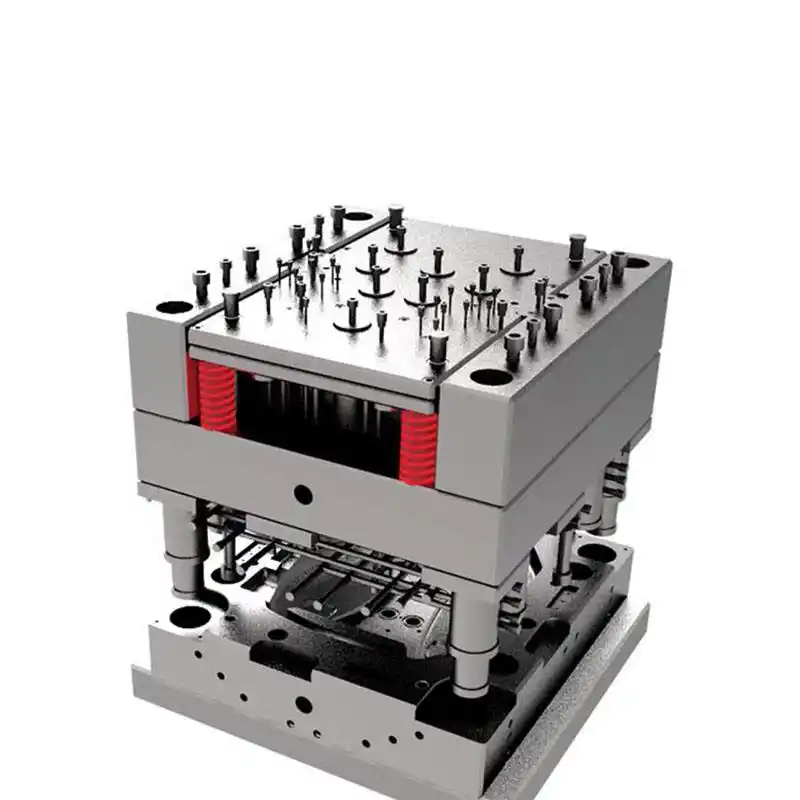
Axle hole core pin – The most critical component. Made from hardened steel (H13 or D2) with precision grinding to ensure concentricity and surface finish for smooth rolling.
Cooling system – Uniform cooling prevents ovality and ensures roundness:
Conformal cooling – Channels follow the wheel contour
Baffles & bubblers – For deep hub areas
Uniform temperature distribution – Delta T < 5°C across cavity

6.2 Ejection System for Wheels
| Ejection Method | Best For |
|---|---|
| Ejector pins | Simple wheel designs, pins hidden on hub area |
| Stripper plate | Thin wheels, fragile spoke designs |
| Air ejection | Wheels with delicate tread patterns |
| Robot pick-out | Fully automated high-volume production |
7. Gate & Runner Design for Plastic Wheels
Wheels require careful gate placement to ensure roundness and balanced fill.
Runner system: Cold runner (standard) or hot runner (for expensive engineering plastics).
Cavitation options for plastic wheels:
8. Two-Shot (Duo-Shot) Wheel Moulds – Rigid Core + Soft Tread
For premium wheels that require a soft, quiet, non-marking tread over a rigid structural core, we offer two-shot injection moulds.
How it works:
First shot – Rigid material (PP, Nylon, or ABS) forms the wheel core, hub, and axle hole
Mould rotates or moves – The core is transferred to the second cavity
Second shot – Soft material (TPE, TPU) is injected over the tread area
Benefits of two-shot wheels:
Quiet operation (soft tread reduces noise)
Floor protection (non-marking)
Better grip and shock absorption
No secondary assembly – fully bonded in the mould
Two-shot mould considerations:
More complex mould design (rotating plate or index plate)
Longer lead time (8–12 weeks)
Higher tooling cost, but lower assembly cost
9. Manufacturing Process & Quality Control
9.1 Mould Manufacturing Steps
| Step | Description | Duration |
|---|---|---|
| 1. Design & DFM | 3D modelling, mould flow analysis, gate location optimization | 3–5 days |
| 2. Steel preparation | Cutting, heat treatment (if required) | 3–5 days |
| 3. CNC machining | 3/5-axis milling, EDM for fine details | 2–4 weeks |
| 4. Axle pin precision grinding | Critical – to ±0.005mm tolerance | 3–5 days |
| 5. Fitting & assembly | Core/cavity fit, ejector system, cooling | 1 week |
| 6. Polishing & texturing | Tread pattern, surface finish | 3–5 days |
| 7. Testing | Dry cycle, cooling test, sample moulding | 2–3 days |
9.2 Quality Inspection Checklist for Wheel Moulds
✅ Wheel diameter (CMM, ±0.02mm)
✅ Axle hole diameter and concentricity (±0.01mm, runout <0.05mm)
✅ Tread pattern depth and consistency
✅ Reinforcing rib dimensions and placement
✅ Surface finish verification
✅ Cooling circuit flow & pressure test
✅ Ejector system function
✅ Sample wheel rolling test (smooth, no wobble)
10. Project Workflow – From Concept to Production
5-step process diagram – Design → Mould Manufacturing → Sampling → Approval → Production
Step 1: Design Review (3–5 days)
You provide: Wheel 3D model (STEP/IGES/STP), material, target volume, load requirements, axle size
We provide: DFM report, gate location proposal, cavity count recommendation, firm quote
Step 2: Mould Manufacturing (5–8 weeks)
Steel cutting, CNC machining, heat treatment, axle pin grinding, fitting, polishing
Weekly progress updates with photos
Step 3: Sampling & Validation (2–3 days)
Sample wheels moulded on our in-house machines
Dimensional report, roundness measurement, axle hole runout test
20–50 sample wheels shipped to you
Step 4: Customer Approval (1 week)
You test rolling smoothness, load capacity, and assembly with axles
Any minor adjustments made at no charge
Step 5: Production or Delivery
Mould shipped with spare parts kit and maintenance manual
Or we run production wheels for you (moulding service available)
Total lead time: 6–9 weeks typical for a production wheel mould (8–12 weeks for two-shot)
11. Technical Specifications – Complete Reference
| Parameter | Range / Options |
|---|---|
| Mould type | Two-plate, three-plate, or two-shot (duo-shot) |
| Cavity count | 1, 2, 4, 8, 16, or custom |
| Mould steel | P20, H13, 420 stainless, or aluminium (prototype) |
| Wheel diameter range | 15mm to 300mm+ |
| Axle hole diameter | 2mm to 50mm |
| Axle hole concentricity | ±0.01mm, runout <0.05mm |
| Typical tolerance | ±0.02mm – ±0.05mm |
| Tread pattern | Diamond, chevron, smooth, or custom |
| Gate types | Edge gate (hub), pin-point, fan, tunnel |
| Runner system | Cold runner (standard) or hot runner |
| Two-shot capability | Yes – rigid core + soft tread (TPE/TPU) |
| Cooling | Straight channels, baffles, conformal |
| Ejection | Pins, stripper plate, or air |
| Expected mould life (P20) | 500,000+ cycles |
| Expected mould life (H13) | 1,000,000+ cycles |
| Lead time (standard) | 6–9 weeks |
| Lead time (two-shot) | 8–12 weeks |
| Warranty | 12 months on workmanship and materials |
12. Why Choose Us for Your Plastic Wheel Moulds?
With over 15 years of experience in injection mould manufacturing — including hundreds of wheel moulds shipped worldwide — we offer:
Wheel-specific expertise – We understand roundness, concentricity, bearing integration, and tread patterns
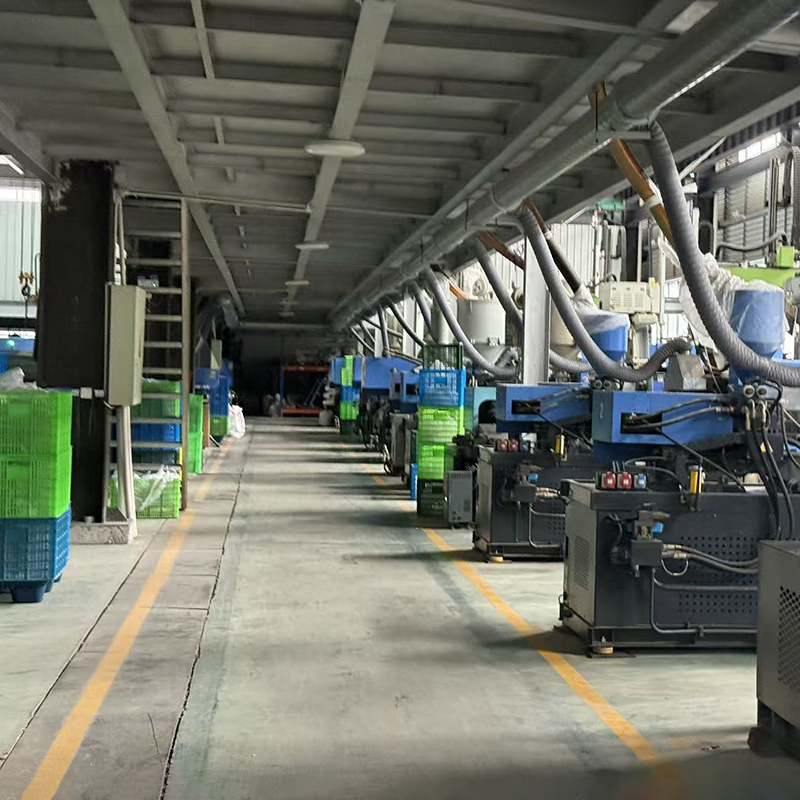
In-house mould design & manufacturing – No outsourcing, full control
Free DFM (Design for Manufacturing) report – We optimize your wheel design before cutting steel
Precision axle hole pins – Ground to ±0.005mm for perfect concentricity
Two-shot moulding capability – Rigid core + soft tread in one mould
Competitive pricing – 20–30% lower than many competitors
Fast lead times – 6–9 weeks for most wheel moulds
Spare parts kit – Every mould includes ejector pins, springs, and spare axle pins
Global shipping – Air, sea, or express with secure crating
13. Request a Quote – Start Your Plastic Wheel Mould Project Today
Ready to produce high-quality plastic wheels with a custom injection mould built specifically for your application?
What we need to get started:
Wheel 3D model (STEP, IGES, STP, or hand sketch for early discussion)
Wheel diameter and axle hole size
Material type and grade (e.g., Nylon, PP, TPE tread)
Estimated annual volume (e.g., 500,000 wheels/year)
Load capacity requirements (if known)
Special requirements (bearing housing? two-shot? tread pattern?)
What exactly are your OEM services?
Our OEM (Original Equipment Manufacturing) service allows you to bring your unique outdoor gear ideas to life. We handle the entire product development and manufacturing process based on your specifications, designs, and brand requirements. From initial concept and material sourcing to prototyping, production, and quality control, we become your dedicated manufacturing partner. Your brand logo and identity will be applied to the final products.What is your MOQ (Minimum Order Quantity)?
We understand that brands need flexibility, especially when launching new products. Therefore, we offer flexible MOQs, which vary depending on the product complexity, materials required, and customization level. We encourage you to discuss your project with us, and we will do our best to propose a feasible MOQ.Can you help us develop a product from just an idea or a sketch?
Absolutely! We specialize in turning concepts into high-quality, market-ready products. Our product development team will work closely with you to refine your idea, select appropriate materials, create technical drawings, and develop prototypes until your vision is perfectly realized.What are the typical steps in the OEM process with your company?
1.Initial Inquiry & Consultation: You share your concept, target market, and requirements. 2.Quotation & Agreement: We provide a detailed quotation, and once approved, we sign a service agreement. 3.Research & Development (R&D): Our team works on technical designs, material selection, and sample development. 4.Prototyping: We create a physical prototype for your evaluation and feedback. 5. Molds:After design confirming, we will creat mold before production. 5.Sample Approval: You approve the final sample, confirming quality, design, and functionality. 6.Mass Production: Upon your production order confirmation, we begin manufacturing your products. 7.Rigorous Quality Control (QC): We conduct inspections throughout production and a final random inspection before shipment. 8.Shipping & Delivery: We securely pack and arrange shipment to your designated destination.How long does the entire process take from concept to delivery?
The timeline varies significantly based on product complexity and order quantity. A general estimate is: Development & Sampling: 4-8 weeks. Mass Production: 4-6 weeks after sample approval. Please note that this is an estimate, and a precise timeline will be provided with your project quotation.Who owns the intellectual property (IP) and mold/tooling for the custom products?
You retain 100% ownership of your brand identity, designs, and product IP. For any custom molds or tooling created specifically for your project, ownership can be transferred to you upon agreement. We strictly adhere to confidentiality and will never use your designs for other clients.How do you determine the price for an OEM order?
The unit price is determined by several factors, including: Product complexity and design Cost of raw materials Labor and manufacturing processes involved Order quantity Packaging requirements We strive to offer competitive pricing without compromising on quality.What is your quality control process?
Quality is our top priority. Our QC process includes: Incoming Quality Control (IQC): Inspection of all raw materials. In-Process Quality Control (IPQC): Checks during key stages of production. Pre-Shipment Inspection (PSI): A final random inspection of finished products against your approved sample and our quality standards. We can provide detailed QC reports.Can we inspect the products before they are shipped?
Yes. We highly recommend a pre-shipment inspection. You are welcome to send your own QC inspector, or you can hire a third-party inspection company to perform the check at our factory. We can also provide you with photos and videos of the production and final products.How do you handle shipping?
We have extensive experience in shipping outdoor gear globally. We can handle the logistics for you and arrange shipment via sea (for large volumes) or air (for smaller, urgent orders). We work with reliable freight forwarders to ensure a smooth process. Shipping costs will be included in your final quotation.
Related Products