

Common Injection Molding Defects and How to Prevent Them
Why Injection Molding Defects Occur
Defects generally result from one or more of the following factors:
Improper mold design
Incorrect processing parameters
Poor material selection
Inadequate mold maintenance
Machine limitations
Environmental conditions
Identifying the root cause is essential before implementing corrective actions.
Common Injection Molding Defects and Solutions
1. Short Shot
A short shot occurs when molten plastic fails to completely fill the mold cavity, resulting in incomplete parts.
Common Causes:
Insufficient injection pressure
Low melt temperature
Poor venting
Small gate size
Restricted material flow
Solutions:
Increase injection pressure and speed
Raise melt and mold temperatures
Improve mold venting
Enlarge gate dimensions
Check for flow restrictions in runners

2. Flash
Flash appears as thin excess plastic along the parting line, ejector pins, or inserts.
Common Causes:
Excessive injection pressure
Worn mold surfaces
Improper clamping force
Mold misalignment
Solutions:
Reduce injection pressure
Increase clamping force
Repair damaged mold surfaces
Verify mold alignment and locking mechanisms

3. Sink Marks
Sink marks are small depressions usually found in thicker sections of molded parts.
Common Causes:
Uneven wall thickness
Insufficient packing pressure
Inadequate cooling time
Excessive material shrinkage
Solutions:
Design uniform wall thickness
Increase packing pressure and holding time
Optimize cooling channels
Reduce overly thick sections with ribs
4. Warpage
Warpage refers to unwanted bending or distortion after molding.
Common Causes:
Uneven cooling
Internal stress
Improper gate location
Material shrinkage variations
Solutions:
Improve mold cooling balance
Optimize gate position
Reduce temperature differences
Select materials with lower shrinkage rates

5. Weld Lines
Weld lines form when two or more flow fronts meet but fail to fuse properly.
Common Causes:
Low melt temperature
Poor venting
Complex part geometry
Multiple gate locations
Solutions:
Increase melt temperature
Improve venting
Adjust gate placement
Increase injection speed

6. Burn Marks
Burn marks appear as black or brown discoloration on molded parts.
Common Causes:
Trapped air
Excessive injection speed
Overheating of resin
Poor venting
Solutions:
Add or enlarge vents
Reduce injection speed
Lower melt temperature
Minimize air entrapment

7. Silver Streaks
Silver streaks are shiny lines that appear on the surface of molded parts.
Common Causes:
Moisture in the material
Material degradation
Excessive shear stress
Solutions:
Properly dry the resin
Reduce barrel temperature
Minimize residence time
Optimize screw speed

8. Voids
Voids are internal air pockets or empty spaces inside the molded part.
Common Causes:
Thick wall sections
Insufficient packing pressure
Premature gate freeze-off
Solutions:
Increase packing pressure
Extend holding time
Improve part design
Reduce wall thickness variations

Quick Reference Table
| Defect | Main Cause | Recommended Solution |
|---|---|---|
| Short Shot | Incomplete cavity filling | Increase pressure and temperature |
| Flash | Excessive pressure or mold wear | Reduce pressure and repair mold |
| Sink Marks | Material shrinkage | Increase packing pressure |
| Warpage | Uneven cooling | Optimize cooling system |
| Weld Lines | Flow front separation | Improve venting and temperature |
| Burn Marks | Trapped air | Improve venting |
| Silver Streaks | Moisture contamination | Dry resin properly |
| Voids | Insufficient packing | Increase holding pressure |
The Role of Mold Design in Defect Prevention
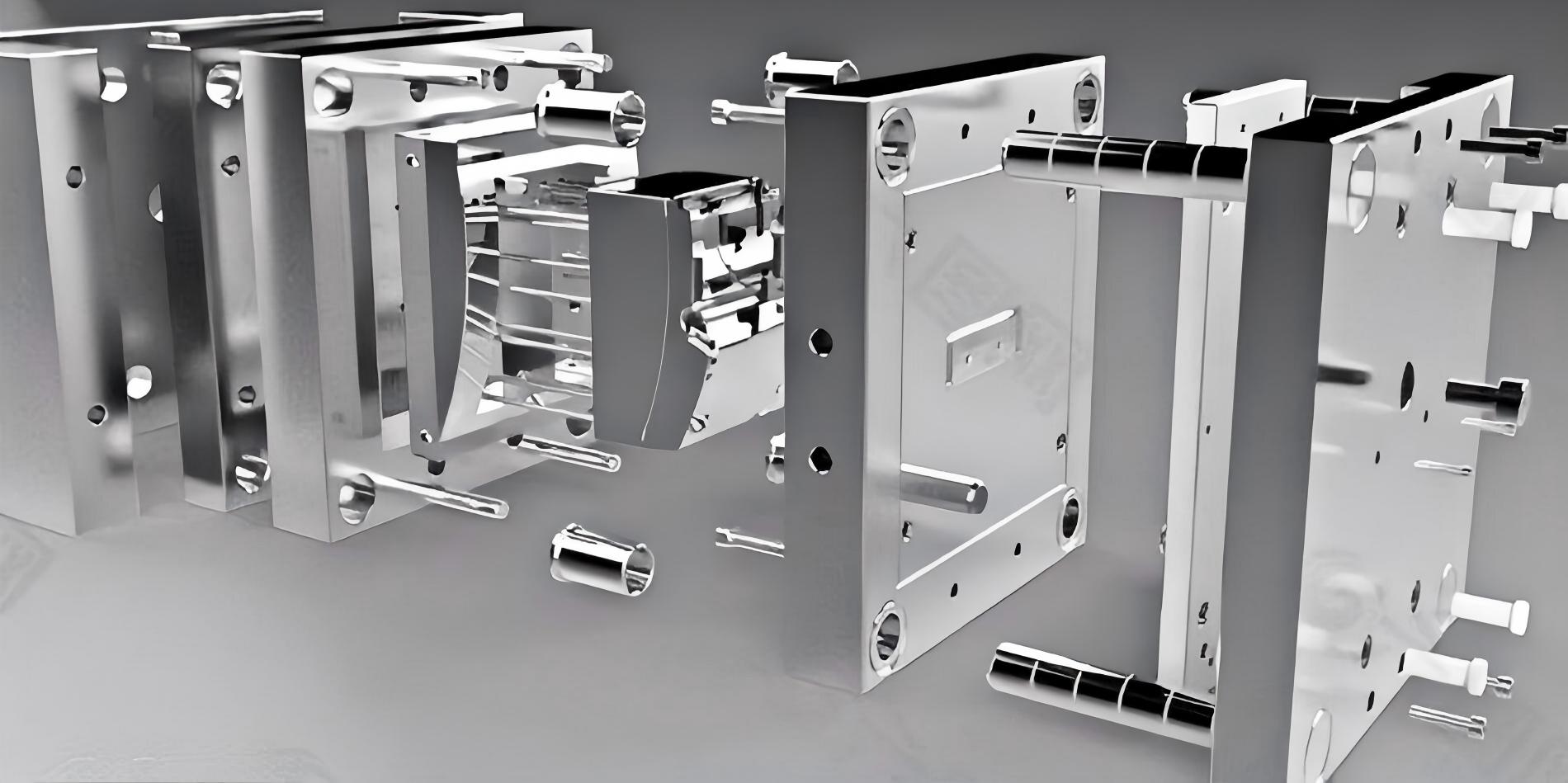
Many injection molding problems originate from poor mold design. A well-designed mold can significantly reduce defect rates and improve production consistency.
Important mold design considerations include:
Proper Gate Design
The gate controls material flow into the cavity. Incorrect gate placement can lead to:
Weld lines
Short shots
Warpage
Excessive stress
Engineers should select the appropriate gate type and location based on part geometry.
Effective Cooling System
Cooling typically accounts for more than half of the molding cycle.
Benefits of optimized cooling include:
Reduced cycle times
Better dimensional stability
Lower warpage rates
Improved surface quality
Adequate Venting
Vents allow trapped air and gases to escape during filling.
Benefits include:
Reduced burn marks
Improved filling
Better weld line strength
Enhanced surface finish
Material Selection Matters
Different thermoplastics exhibit different flow characteristics, shrinkage rates, and processing windows.
For example:
| Material | Flowability | Shrinkage | Typical Applications |
|---|---|---|---|
| ABS | Good | Medium | Electronic housings |
| PC | Moderate | Low | Medical devices |
| PP | Excellent | High | Consumer products |
| Nylon (PA) | Good | Medium-High | Automotive components |
| POM | Excellent | Medium | Precision gears |
Choosing the right material for the application can help avoid many molding defects before production even begins.
Process Optimization Best Practices
Manufacturers can reduce defect occurrence by following these best practices:
Monitor Process Parameters
Key parameters include:
Injection pressure
Injection speed
Melt temperature
Mold temperature
Cooling time
Holding pressure
Even small variations can affect product quality.
Use Scientific Molding Techniques
Scientific molding relies on data-driven process control to establish stable production conditions and improve consistency.
Regular Mold Maintenance
Routine maintenance helps prevent:
Flash
Dimensional inaccuracies
Surface defects
Premature mold wear
Maintenance schedules should include cleaning, polishing, lubrication, and inspection of critical components.
Conclusion
Injection molding defects are inevitable challenges in plastic manufacturing, but they can be effectively controlled through proper mold design, material selection, process optimization, and regular maintenance. Understanding the root causes of common issues such as short shots, flash, sink marks, warpage, weld lines, burn marks, silver streaks, and voids enables manufacturers to implement targeted corrective actions.
By combining high-quality mold engineering with scientifically controlled molding processes, manufacturers can improve product quality, reduce production costs, minimize waste, and achieve higher customer satisfaction. Continuous monitoring and optimization remain the keys to successful injection molding operations in today's competitive manufacturing environment.