
OEM Advanced Rapid Prototyping service
Your Comprehensive Guide to Advanced Rapid Prototyping
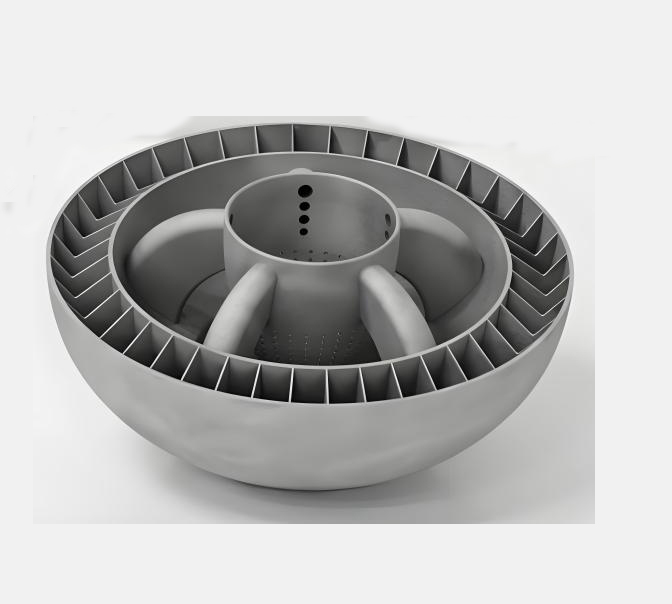
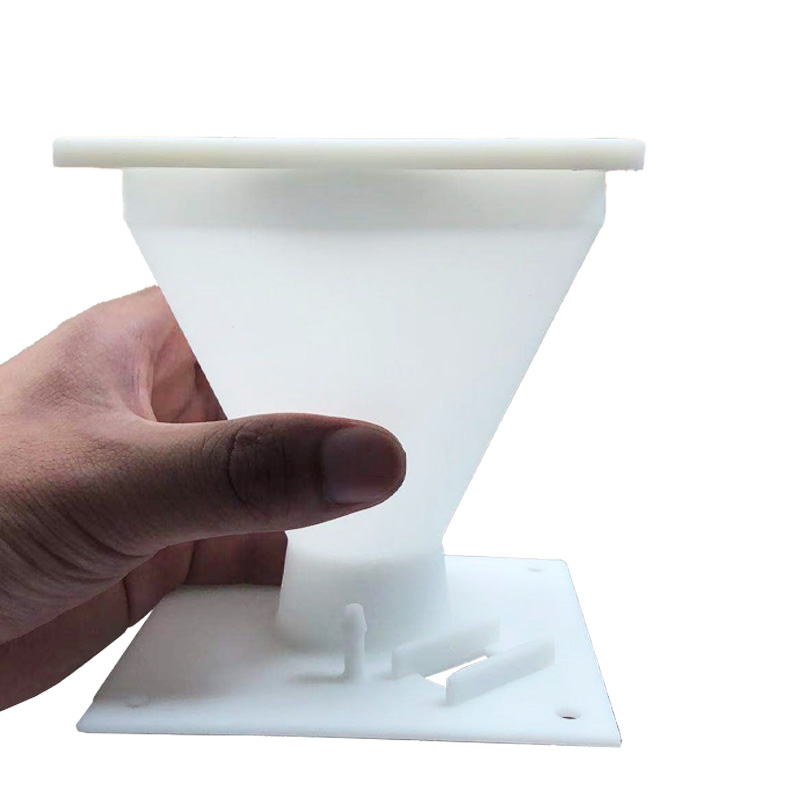
From Concept to Reality in Record Time
In today's competitive landscape, speed is the ultimate currency. Rapid Prototyping (RP) is the cornerstone of modern product development, enabling engineers and designers to transform digital concepts into tangible, functional parts within hours, not weeks. By integrating Rapid Prototyping into your workflow, you can validate designs, conduct form and fit testing, engage stakeholders, and accelerate your time-to-market with unparalleled agility.
This definitive guide explores the core technologies and advanced materials that define professional-grade rapid prototyping. Our goal is to equip you with the knowledge to select the optimal process for your specific application, ensuring precision, functionality, and speed at every stage of your development cycle.
The Rapid Prototyping Technology Landscape
Rapid Prototyping encompasses a family of additive manufacturing technologies, each with unique strengths. Understanding these processes is the first step in making an informed decision.
1.1 Stereolithography (SLA)
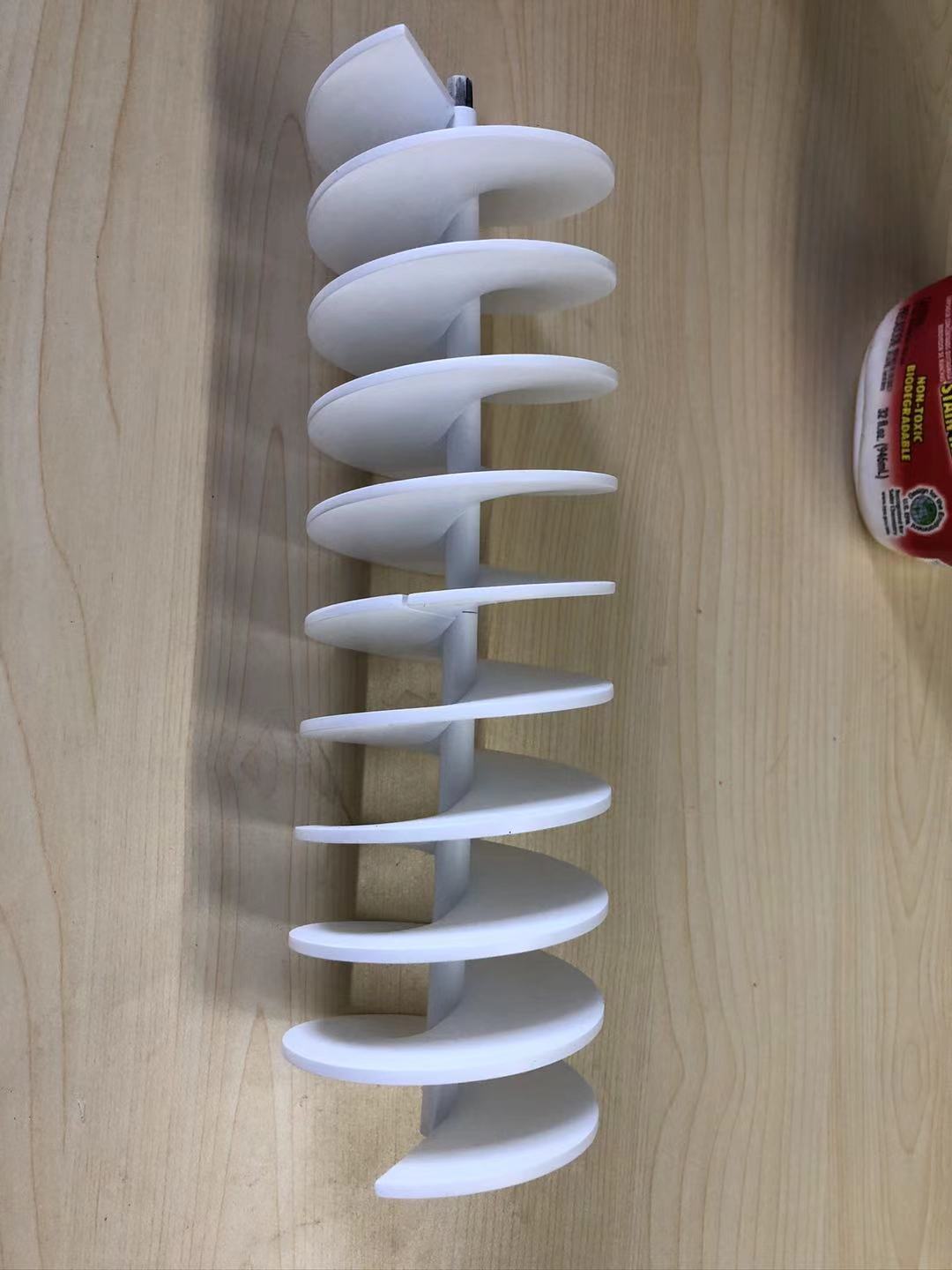
Process Principle: SLA, the pioneering RP technology, uses an ultraviolet laser to trace and cure photopolymer resin layer-by-layer. The build platform lifts incrementally, allowing fresh resin to flow beneath the part for the next layer to be cured.
Key Advantages:
Unmatched Surface Finish: Produces the smoothest surface finish of all RP technologies, ideal for visual prototypes and master patterns.
High Feature Resolution: Capable of capturing extremely fine details, thin walls, and complex geometries with sharp edges.
Isotropic Parts: Parts have consistent mechanical properties in all directions (X, Y, and Z).
Considerations:
Material Brittleness: Standard resins can be brittle and susceptible to fracture under mechanical stress.
UV Degradation: Prolonged exposure to UV light can cause yellowing and further embrittlement.
Post-Processing Requirements: Parts require washing in a solvent to remove excess resin and post-curing under UV light to achieve final properties.
Ideal Applications: Concept models, visual prototypes, master patterns for silicone molding, detailed architectural models, and high-fidelity presentation pieces.
1.2 Selective Laser Sintering (SLS)
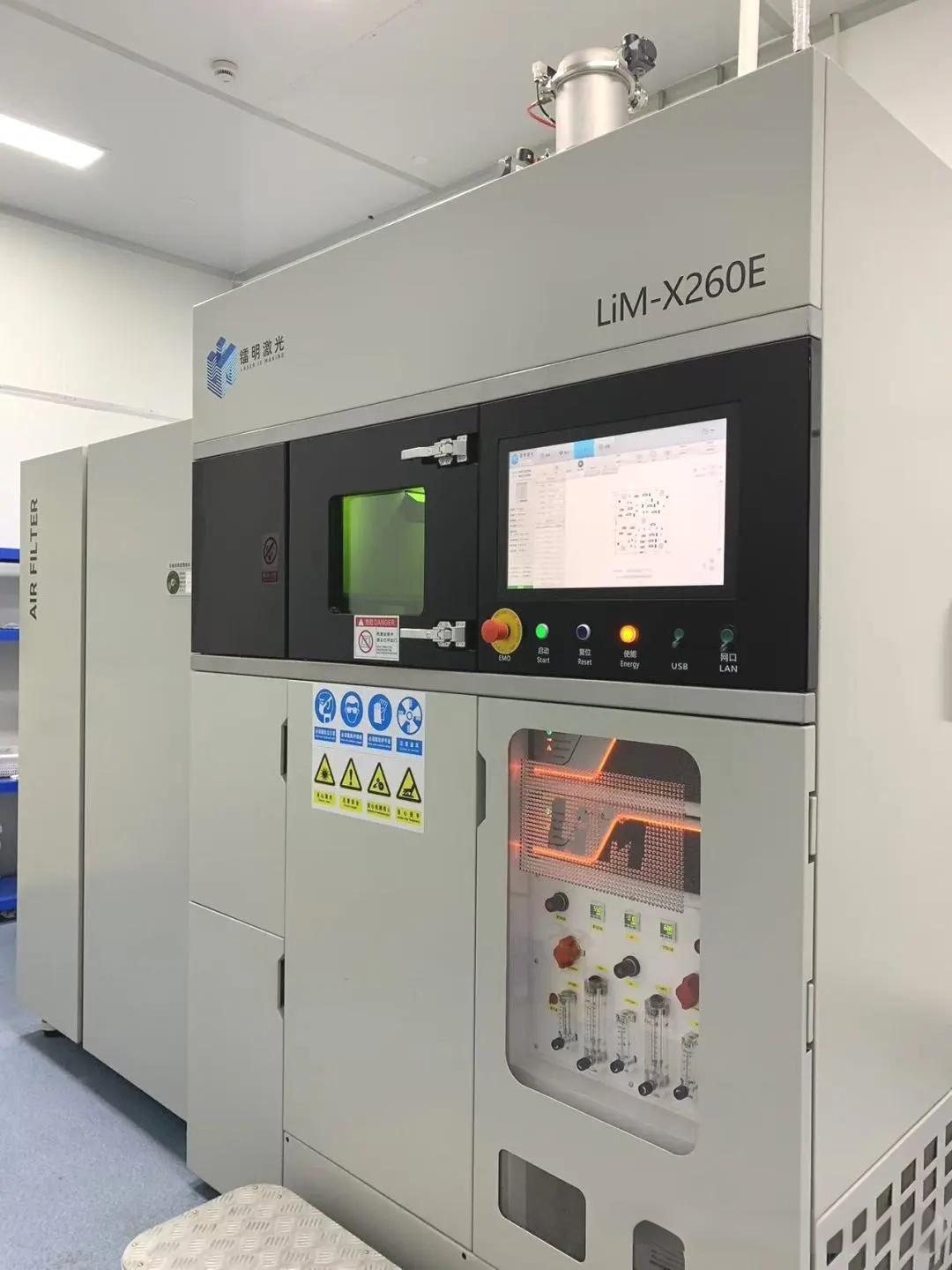
Process Principle: SLS uses a high-power CO2 laser to fuse small particles of polymer powder. The laser scans the cross-section of the part, sintering the powder particles together. The key advantage is that the surrounding unsintered powder acts as a natural support structure, allowing for the creation of highly complex geometries.
Key Advantages:
Support-Free Complexity: Enables the production of interlocking parts, intricate internal channels, and organic geometries without dedicated supports.
Excellent Mechanical Properties: Parts are strong, durable, and exhibit good resistance to impact and heat.
High Build Efficiency: The entire build chamber can be packed with multiple parts, maximizing throughput.
Considerations:
Porous Surface Finish: Parts have a slightly rough, granular surface texture.
Limited Color Options: Parts are typically produced in white or off-white, requiring post-processing for coloring.
Ideal Applications: Functional prototypes, ductwork, housings with integrated snap-fits, mechanisms, and low-volume end-use parts.
1.3 Fused Deposition Modeling (FDM)
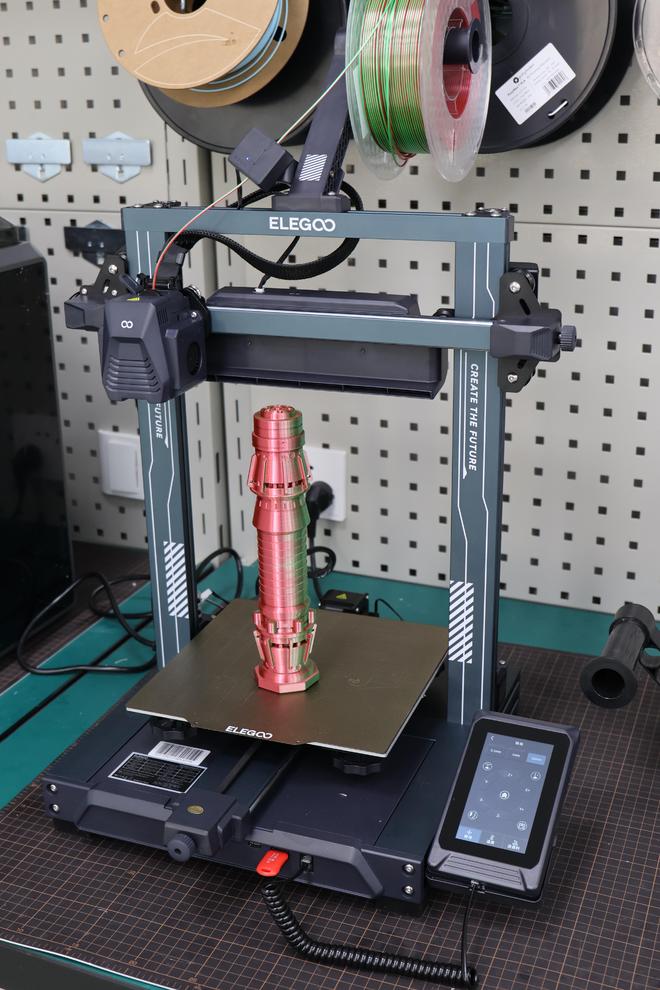
Process Principle: FDM builds parts by extruding a continuous filament of thermoplastic material through a heated nozzle. The material is deposited layer-by-layer, where it immediately cools and solidifies. Support structures are printed from a separate, soluble material when necessary.
Key Advantages:
Robust Mechanical Properties: Uses production-grade thermoplastics (like ABS, PC, Nylon), resulting in strong, durable, and functional parts.
Cost-Effectiveness: Low machine operation and material costs, especially for larger parts.
Wide Material Selection: Offers a vast range of materials with specialized properties (e.g., high-temp, chemical resistant, biocompatible).
Considerations:
Visible Layer Lines: Parts have a striated surface finish unless post-processed.
Anisotropic Behavior: Strength is typically lower in the Z-direction (between layers).
Slow for Complex Parts: Print speed can be slow for parts requiring many supports or fine details.
Ideal Applications: Functional testing, jigs and fixtures, large-scale prototypes, and concept models where ultimate surface finish is not critical.
1.4 PolyJet / MultiJet Printing (MJP)
Process Principle: Similar to inkjet printing, PolyJet and MJP technologies jet thousands of photopolymer droplets onto a build platform. Each layer is instantly cured by a UV light. The key differentiator is the ability to jet multiple materials simultaneously, including digital materials with blended properties.
Key Advantages:
Multi-Material & Full-Color Parts: Can produce parts with varying Shore A values, colors, and transparencies in a single print.
High Detail and Smooth Finish: Achieves surface quality and detail resolution comparable to SLA.
Material Versatility: From rubber-like flexibility to rigid transparency.
Considerations:
Material Brittleness: Similar to SLA, materials can be less suitable for high-impact functional testing.
Higher Cost: Generally more expensive than SLA or FDM for comparable part sizes.
Ideal Applications: Overmolded prototypes, medical models, consumer products with soft-touch grips, and highly realistic, full-color models.
1.5 Direct Metal Laser Sintering (DMLS)
Process Principle: DMLS is the metal counterpart to SLS. It uses a high-powered fiber laser to fuse fine metal powder particles together, layer by layer, within an inert gas chamber. This results in fully dense, high-strength metal parts.
Key Advantages:
Production-Grade Metal Parts: Creates functional metal components with mechanical properties similar to wrought materials.
Design Freedom: Enables consolidated assemblies, internal cooling channels, and lightweight lattice structures.
Broad Material Portfolio: Includes aluminum, titanium, stainless steel, and nickel-based superalloys.
Considerations:
High Cost: Significant investment in equipment, materials, and operation.
Post-Processing: Requires stress relief, support removal, and often CNC machining for critical surfaces.
Surface Roughness: "As-built" surfaces are rough and may require finishing.
Ideal Applications: Functional metal prototypes, conformal-cooled injection molding tools, aerospace and automotive components, and medical implants.
The Rapid Prototyping Material Portfolio
Selecting the right material is critical to the success of your prototype. The material dictates functional performance, aesthetic quality, and durability.
| Material | Technology | Key Properties | Best Suited For |
|---|---|---|---|
| Standard Resin | SLA | High Detail, Smooth Finish, Brittle | Visual Prototypes, Presentation Models |
| ABS-Like Resin | SLA | Good Toughness, Simulates Injection Molding | Form and Fit Testing, Snap-Fit Assemblies |
| Polypropylene-Like Resin | SLA | Excellent Flexibility, Fatigue Resistance | Living Hinges, Clips, Containers |
| High-Temp Resin | SLA | Heat Deflection Temp >200°C | Hot Air/ Fluid Testing, Molding Masters |
| Nylon 12 | SLS | Strong, Durable, Slightly Flexible | Functional Prototypes, Complex Ductwork |
| TPU (Flexible Nylon) | SLS | Rubber-Like, Elastic, Shock Absorbing | Gaskets, Seals, Wearables, Grips |
| ABS | FDM | Good Strength, Impact Resistance, Low Cost | Functional Testing, Enclosures, Jigs |
| PC (Polycarbonate) | FDM | High Strength, Heat & Impact Resistance | High-Stress Functional Parts, Tooling |
| ULTEM™ 1010 | FDM | High Strength-to-Weight, FST Rated* | Aerospace, Automotive, Medical |
| Vero (Rigid) | PolyJet/MJP | High Detail, Multi-Color, Rigid | Full-Color Models, Detailed Assemblies |
| Agilus (Flexible) | PolyJet/MJP | Rubber-Like, Range of Shore A Values | Overmolding, Soft-Touch Grips, Gaskets |
| AlSi10Mg | DMLS | Good Strength-to-Weight, Thermal Conductivity | Lightweight Structural Parts, Heat Exchangers |
| Ti6Al4V | DMLS | High Strength, Biocompatible, Lightweight | Aerospace, Medical Implants, Racing |
| Stainless Steel 316L | DMLS | Excellent Corrosion Resistance | Chemical, Marine, and Food Applications |
Strategic Process Selection: A Decision Framework
Choosing the right technology requires a clear understanding of your project's primary objectives. Use this framework to guide your selection.
1. Define the Prototype's Purpose:
Visual & Aesthetic Validation: For models where look and feel are paramount. Recommended: SLA, PolyJet.
Form, Fit, and Assembly Testing: To verify dimensions and how parts interact. Recommended: SLA (for detail), SLS (for complex fits), FDM (for large assemblies).
Functional Performance Testing: For parts that must withstand stress, heat, or chemical exposure. Recommended: FDM (with engineering materials), SLS, DMLS.
Small-Batch Production & Custom Tools: For end-use parts or manufacturing aids. Recommended: SLS, FDM, DMLS.
2. Evaluate Key Project Constraints:
Budget: FDM and SLA are generally the most cost-effective for early-stage prototypes. DMLS and multi-material PolyJet command a premium.
Timeline: SLS and FDM excel in throughput for multiple parts. SLA and PolyJet offer fast turnaround for single, high-detail parts.
Material Properties: Match the material's mechanical, thermal, and chemical properties to the prototype's intended environment.
Our Rapid Prototyping Ecosystem: Precision, Speed, Partnership
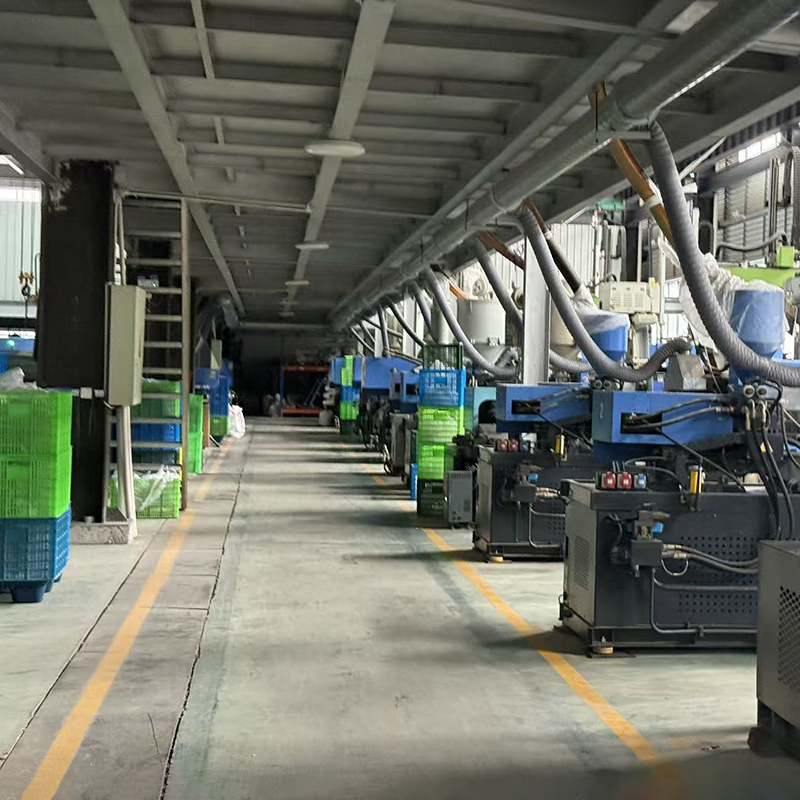
We are more than a service provider; we are an extension of your R&D team. Our state-of-the-art facility and expert engineering support are dedicated to turning your ideas into reality with unmatched speed and precision.
Our Technology Infrastructure:
We maintain an extensive fleet of industrial-grade equipment to ensure we have the right tool for your job:
SLA: 3D Systems ProJet 6000 & Formlabs Form 3BL
SLS: 3D Systems sPro 230 HD-HS
FDM: Stratasys F900 & Fortus 450mc
PolyJet/MJP: Stratasys J850 Prime & J55
DMLS: EOS M 300-4
Value-Added Services:
Design for Additive Manufacturing (DfAM) Analysis: Our engineers optimize your design for the chosen process, suggesting improvements for strength, weight, and cost reduction.
Comprehensive Post-Processing: We offer a full suite of finishing options: support removal, sanding, priming, painting, dyeing, vapor smoothing, and heat treatment.
Rigorous Quality Control: Every prototype is inspected against your CAD data and specifications to guarantee dimensional accuracy and quality.
What exactly are your OEM services?
Our OEM (Original Equipment Manufacturing) service allows you to bring your unique outdoor gear ideas to life. We handle the entire product development and manufacturing process based on your specifications, designs, and brand requirements. From initial concept and material sourcing to prototyping, production, and quality control, we become your dedicated manufacturing partner. Your brand logo and identity will be applied to the final products.What is your MOQ (Minimum Order Quantity)?
We understand that brands need flexibility, especially when launching new products. Therefore, we offer flexible MOQs, which vary depending on the product complexity, materials required, and customization level. We encourage you to discuss your project with us, and we will do our best to propose a feasible MOQ.Can you help us develop a product from just an idea or a sketch?
Absolutely! We specialize in turning concepts into high-quality, market-ready products. Our product development team will work closely with you to refine your idea, select appropriate materials, create technical drawings, and develop prototypes until your vision is perfectly realized.What are the typical steps in the OEM process with your company?
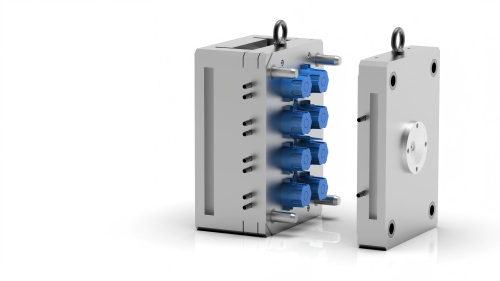
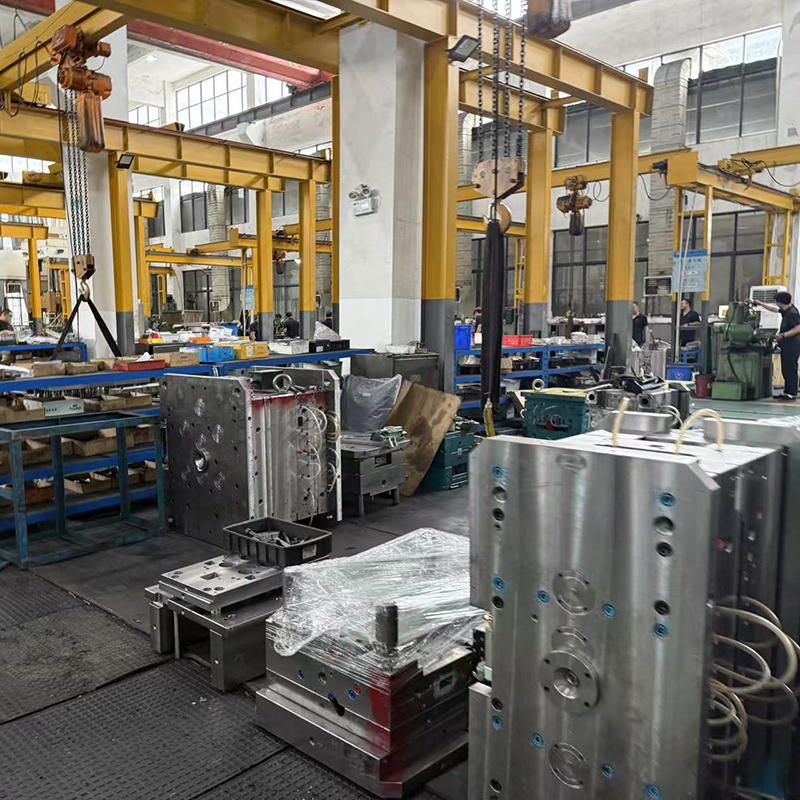
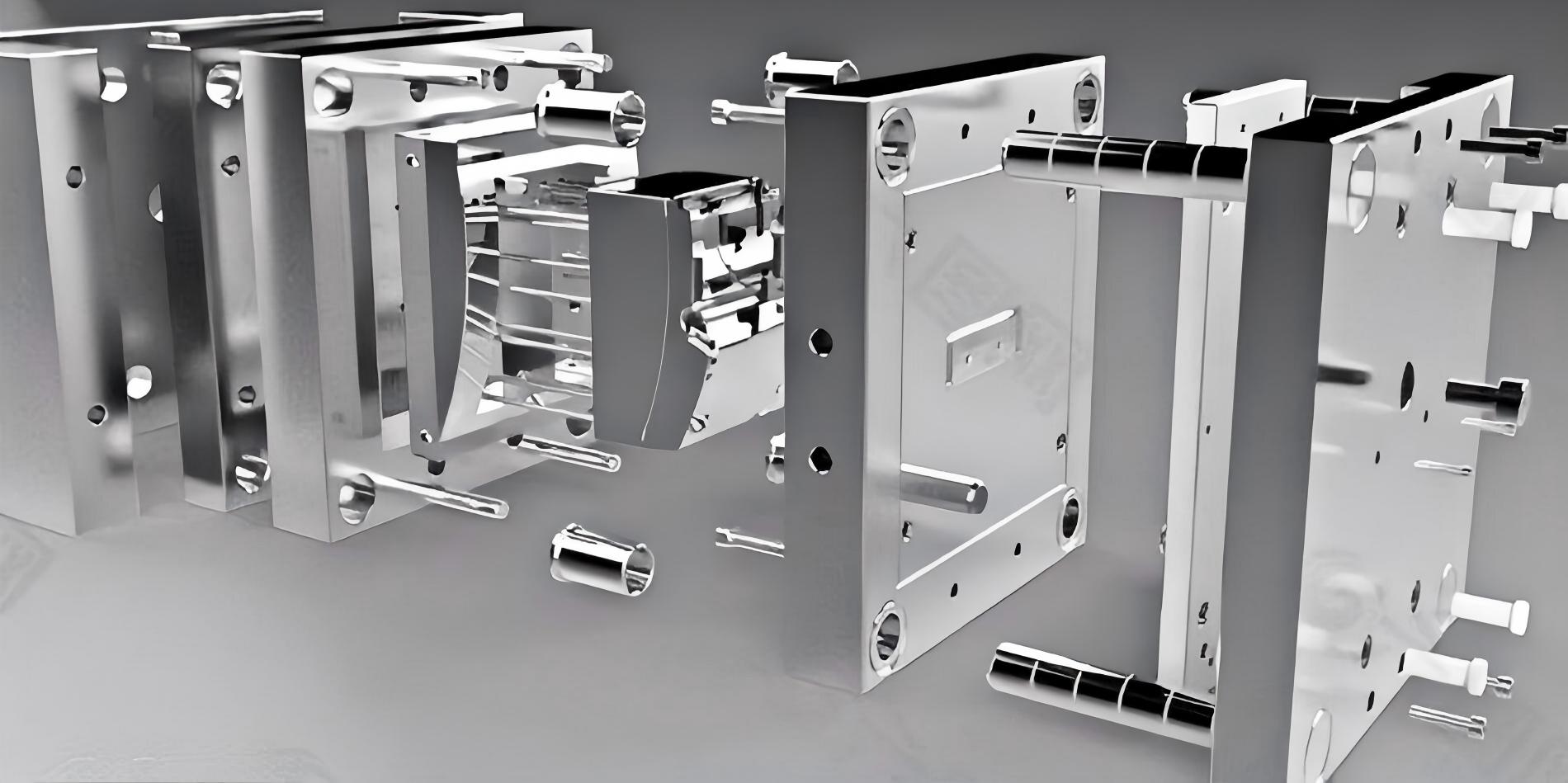
1.Initial Inquiry & Consultation: You share your concept, target market, and requirements. 2.Quotation & Agreement: We provide a detailed quotation, and once approved, we sign a service agreement. 3.Research & Development (R&D): Our team works on technical designs, material selection, and sample development. 4.Prototyping: We create a physical prototype for your evaluation and feedback. 5. Molds:After design confirming, we will creat mold before production. 5.Sample Approval: You approve the final sample, confirming quality, design, and functionality. 6.Mass Production: Upon your production order confirmation, we begin manufacturing your products. 7.Rigorous Quality Control (QC): We conduct inspections throughout production and a final random inspection before shipment. 8.Shipping & Delivery: We securely pack and arrange shipment to your designated destination.How long does the entire process take from concept to delivery?
The timeline varies significantly based on product complexity and order quantity. A general estimate is: Development & Sampling: 4-8 weeks. Mass Production: 4-6 weeks after sample approval. Please note that this is an estimate, and a precise timeline will be provided with your project quotation.Who owns the intellectual property (IP) and mold/tooling for the custom products?
You retain 100% ownership of your brand identity, designs, and product IP. For any custom molds or tooling created specifically for your project, ownership can be transferred to you upon agreement. We strictly adhere to confidentiality and will never use your designs for other clients.How do you determine the price for an OEM order?
The unit price is determined by several factors, including: Product complexity and design Cost of raw materials Labor and manufacturing processes involved Order quantity Packaging requirements We strive to offer competitive pricing without compromising on quality.What is your quality control process?
Quality is our top priority. Our QC process includes: Incoming Quality Control (IQC): Inspection of all raw materials. In-Process Quality Control (IPQC): Checks during key stages of production. Pre-Shipment Inspection (PSI): A final random inspection of finished products against your approved sample and our quality standards. We can provide detailed QC reports.Can we inspect the products before they are shipped?
Yes. We highly recommend a pre-shipment inspection. You are welcome to send your own QC inspector, or you can hire a third-party inspection company to perform the check at our factory. We can also provide you with photos and videos of the production and final products.How do you handle shipping?
We have extensive experience in shipping outdoor gear globally. We can handle the logistics for you and arrange shipment via sea (for large volumes) or air (for smaller, urgent orders). We work with reliable freight forwarders to ensure a smooth process. Shipping costs will be included in your final quotation.
Related Products