
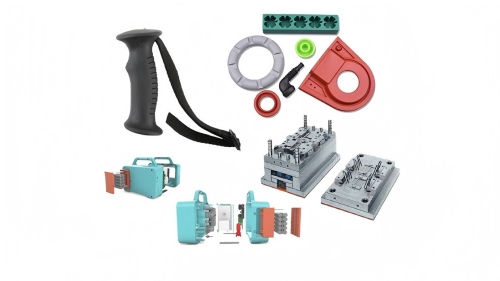
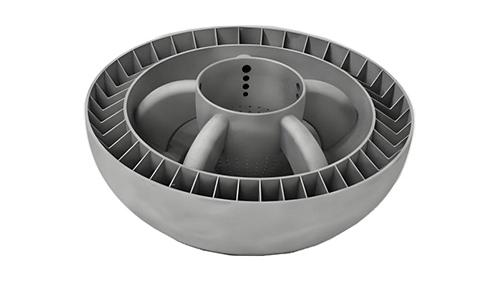
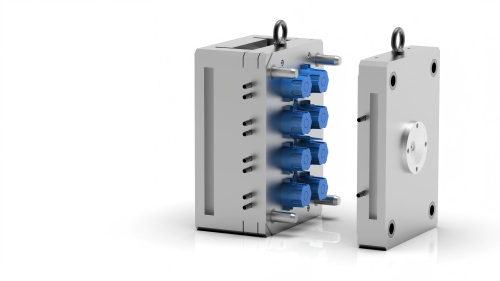
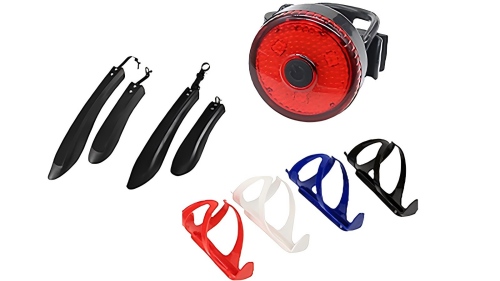

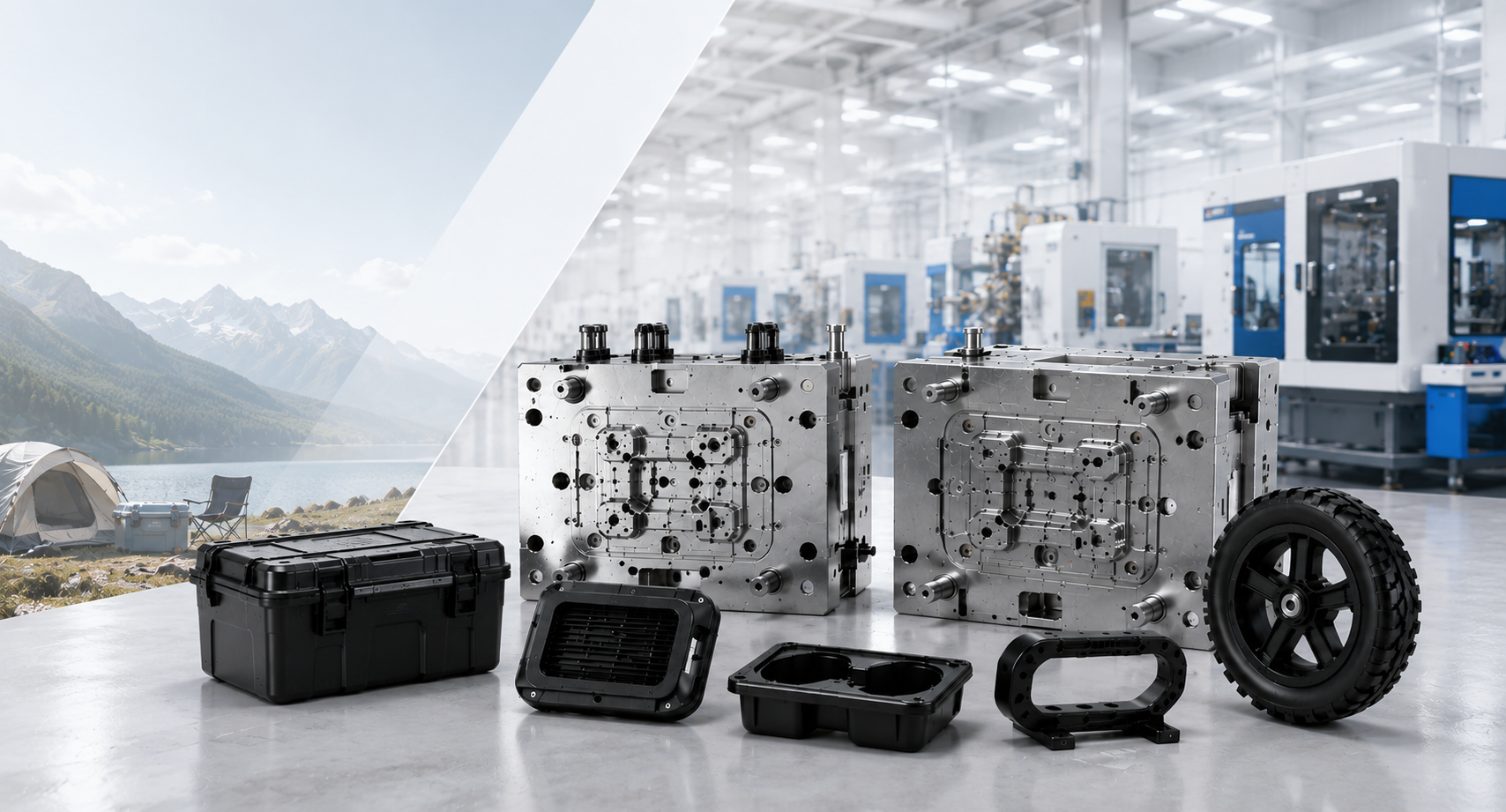

Multiple injection molded plastic products including automotive parts, electronic housings, lighting components, medical parts, and consumer products displayed on a clean white background.
What Are Injection Molded Products?
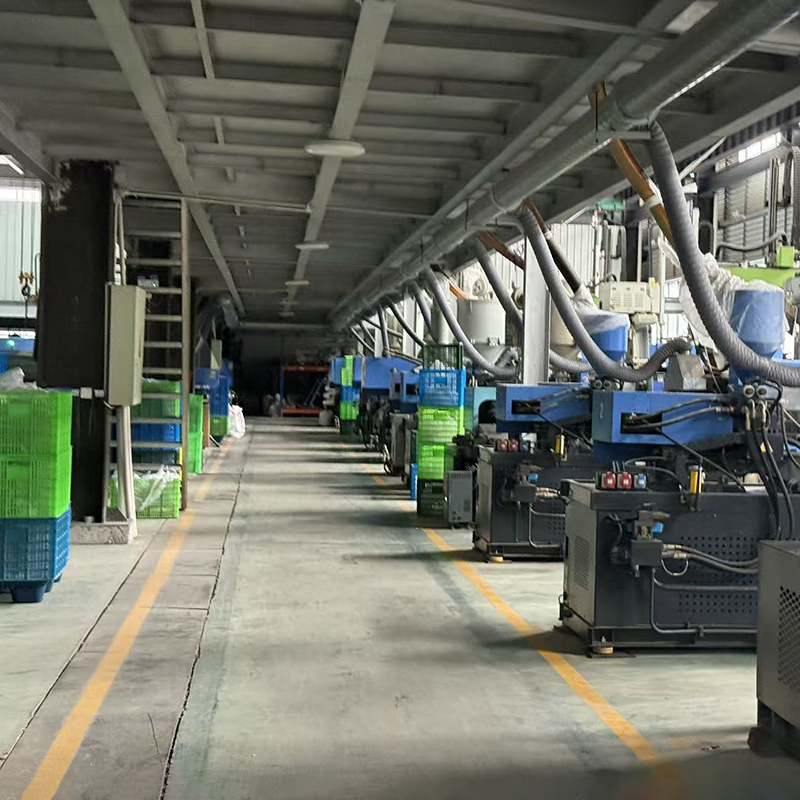
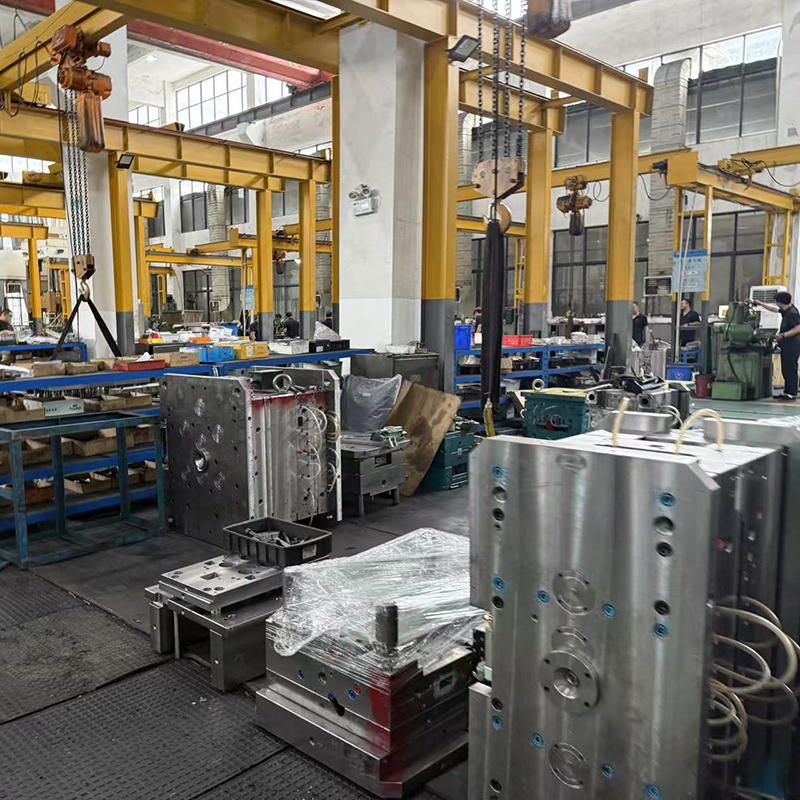
Injection molded products are plastic components manufactured through the injection molding process. The process consists of:
Plastic pellets are heated until molten.
Molten plastic is injected into a mold cavity.
The material cools and solidifies.
The finished part is ejected from the mold.
This process allows manufacturers to produce parts with:
High dimensional accuracy
Excellent repeatability
Complex geometries
Smooth surface finishes
High production efficiency
Injection molding is suitable for both simple and highly complex products.
Key Advantages of Injection Molded Products
High Production Efficiency
Once a mold is built, thousands or even millions of parts can be produced with minimal variation.
Design Flexibility
Modern mold design allows for:
Thin-wall structures
Complex internal features
Snap-fit assemblies
Integrated fastening systems
Cost Effectiveness
For medium and high-volume production, injection molding provides one of the lowest per-unit manufacturing costs.
Material Versatility
A wide range of engineering plastics can be used depending on product requirements.
Common Plastic Materials Used in Injection Molding
| Material | Key Properties | Typical Applications |
|---|---|---|
| PP | Lightweight, chemical resistant | Containers, automotive parts |
| ABS | Good impact resistance | Electronics housings |
| PC | High transparency, strength | Lighting lenses |
| PA66 | High mechanical strength | Industrial components |
| PBT | Electrical insulation | Connectors |
| PMMA | Optical clarity | Light covers |
| PE | Chemical resistance | Packaging products |
Selecting the appropriate material is critical for achieving the desired product performance and lifespan.


PC, ABS, PP, PA66, PBT, and PMMA resin pellets arranged professionally on a white background.
Automotive Applications
The automotive industry is one of the largest users of injection molded products.
Common automotive components include:
Dashboard panels
Interior trims
Air vents
Lighting housings
Battery covers
Engine compartment components
Benefits for Automotive Manufacturing
| Requirement | Injection Molding Benefit |
| Weight Reduction | Lightweight plastics |
| High Volume Production | Fast cycle times |
| Complex Design | Advanced mold technology |
| Cost Control | Low unit cost |
As electric vehicles continue to grow, the demand for precision injection molded parts is increasing rapidly.


Automotive interior and exterior plastic components arranged in a professional product display.
Consumer Electronics Applications
Modern consumer electronics rely heavily on injection molded plastic parts.
Examples include:
Smartphone housings
Router enclosures
Smart home devices
Laptop components
Power tool casings
Injection molding provides:
Excellent aesthetics
Tight tolerances
Durable construction
Lightweight designs
Manufacturers often use ABS, PC, and PC+ABS materials to achieve the desired balance between appearance and mechanical performance.
Medical Device Applications
The medical industry requires high precision, cleanliness, and material consistency.
Common injection molded medical products include:
Diagnostic equipment housings
Syringe components
Laboratory consumables
Drug delivery systems
Medical device enclosures
Medical-grade plastics offer:
Biocompatibility
Sterilization resistance
Chemical resistance
High dimensional accuracy
As healthcare technology advances, injection molding continues to play a crucial role in medical manufacturing.


Medical-grade plastic housings, laboratory consumables, and healthcare components on a white background.
Outdoor Lighting Applications
Outdoor lighting products require materials capable of withstanding UV exposure, moisture, and temperature fluctuations.
Injection molded components include:
Lamp housings
Optical lenses
Reflectors
Mounting brackets
Waterproof enclosures
Popular materials include:
Polycarbonate (PC)
PMMA
PC+ABS
UV-resistant engineering plastics
Injection molding enables manufacturers to create durable outdoor lighting products with excellent optical performance and long service life.
Industrial Equipment Applications
Industrial environments often require products with exceptional durability.
Examples include:
Electrical enclosures
Control panel housings
Cable management systems
Connectors
Machine guards
Engineering plastics provide:
Electrical insulation
Corrosion resistance
Chemical resistance
Impact protection
Many industrial components are produced using reinforced materials such as glass-filled nylon and PBT.


Industrial control box housings, connectors, and engineered plastic components displayed professionally.
Household Product Applications
Many everyday products are manufactured using injection molding.
Examples include:
Storage containers
Kitchen appliances
Vacuum cleaner parts
Furniture accessories
Water filtration components
Injection molding allows manufacturers to produce attractive, durable, and affordable products for everyday use.
Future Trends in Injection Molded Products
Several trends are shaping the future of injection molding:
Sustainable Materials
Increasing use of:
Recycled plastics
Bio-based materials
Low-carbon manufacturing solutions
Smart Products
Integration of:
Sensors
Electronics
IoT technologies
Lightweight Engineering
Advanced material development enables lighter and stronger plastic components.
Automation
Robotics and smart manufacturing systems continue improving efficiency and product quality.
Conclusion
Injection molded products have become indispensable across automotive, electronics, medical, lighting, industrial, and consumer industries. Their ability to combine design flexibility, cost efficiency, high production volume, and material versatility makes injection molding one of the most important manufacturing technologies in the world.
As materials, mold technologies, and automation systems continue to evolve, injection molded products will play an even greater role in supporting innovation and sustainable manufacturing across global industries.