


Introduction to the Injection Molding Toolroom (Mold workshop)
1. Overview and Core Functions
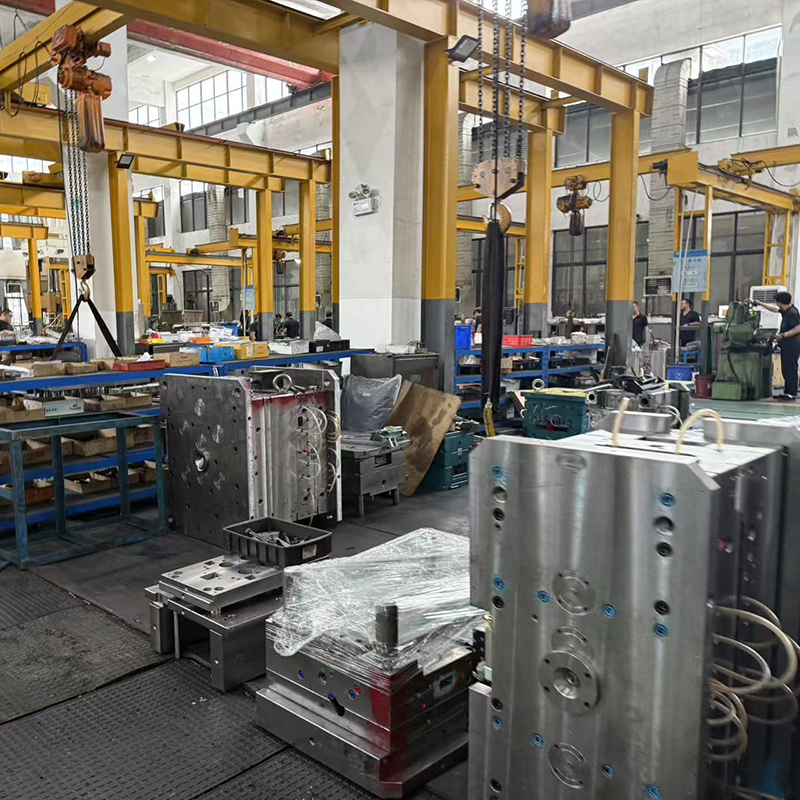
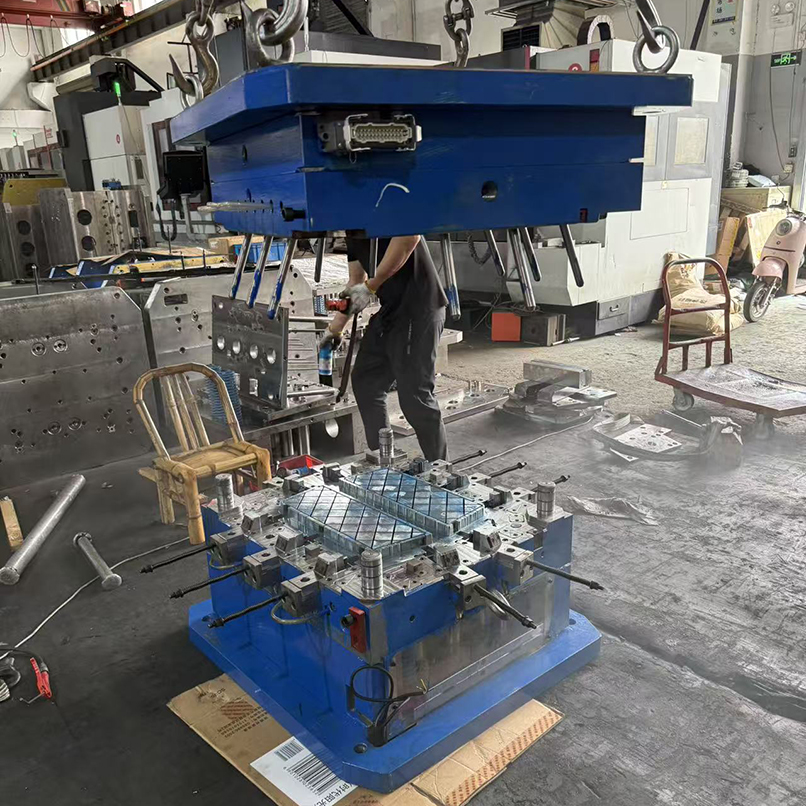
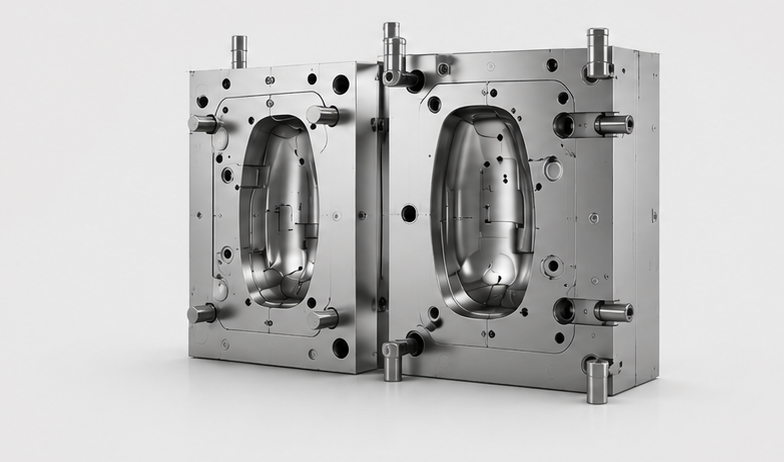
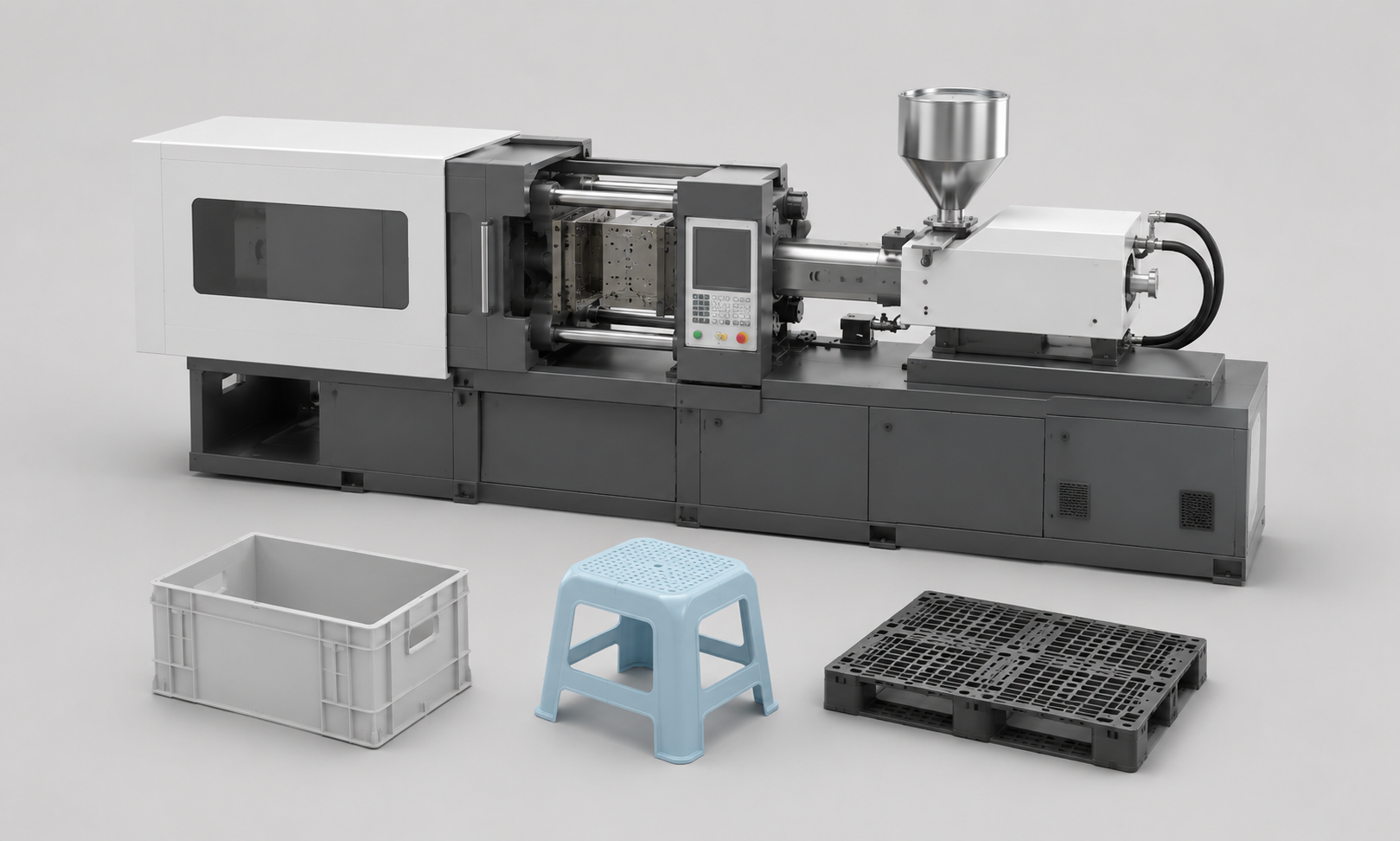
The Injection Molding Toolroom, commonly referred to as the Mold Room, is the critical backbone of any plastics manufacturing facility. While the injection molding machine is responsible for producing parts, the mold (tool) is the heart that determines the part’s geometry, quality, and consistency. The toolroom is the dedicated, controlled environment where these precision tools are stored, maintained, repaired, and prepared for production.
The core functions of the mold room include:
Centralized Mold Storage: Protecting high-value molds from damage and corrosion.
Preventative Maintenance (PM): Cleaning, lubricating, and inspecting molds to prevent unexpected failures.
Repair and Service: Fixing damaged components like ejector pins, cores, or cooling lines.
Mold Change Preparation: Pre-heating and staging molds to minimize machine downtime.
2. Key Infrastructure and Equipment
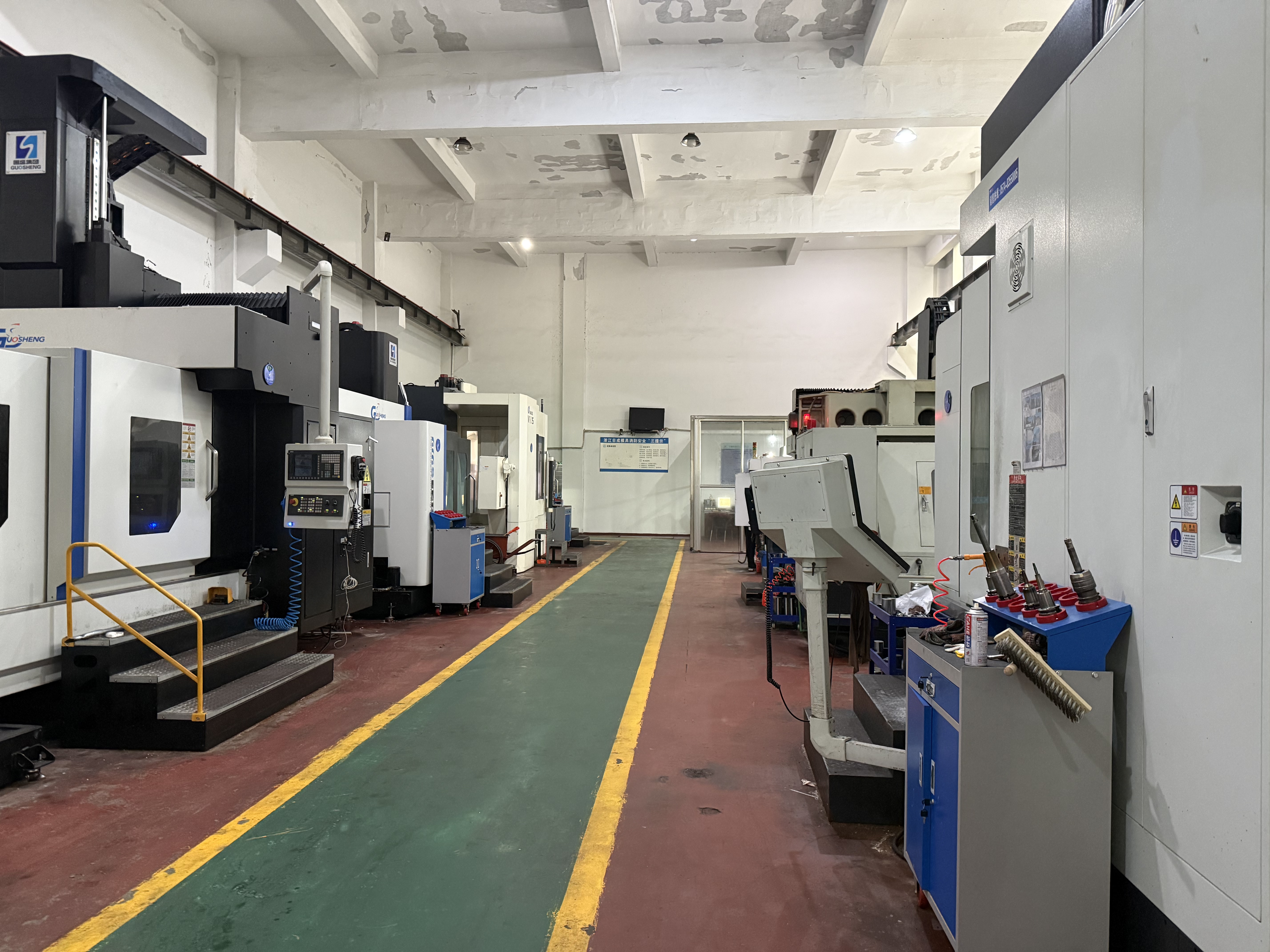
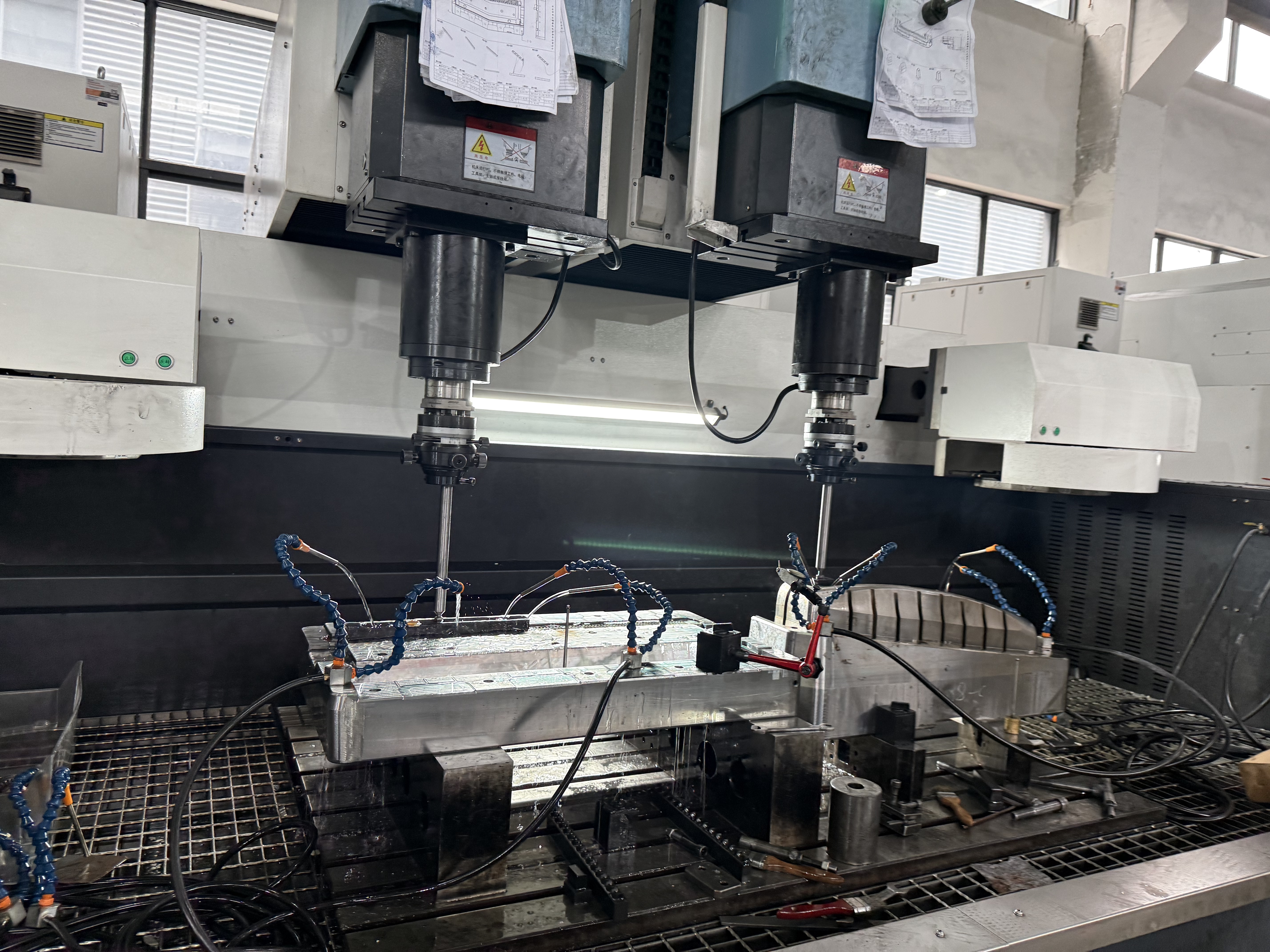
A professional mold room is distinguished by its specialized equipment. Unlike general maintenance areas, the toolroom is designed specifically for heavy, precise, and hot tools.
Mold Storage Racks: Heavy-duty steel racks with roller bearings, allowing a single person to move a multi-ton mold safely. Each rack is typically labeled with a unique ID for inventory management.
Overhead Crane or Jib Crane: Essential for lifting molds out of machines or off storage racks without causing edge damage or safety risks.
Mold Pre-Heating Ovens: These are critical for productivity. By bringing a cold mold up to operating temperature (e.g., 40–80°C) before mounting it on the machine, the toolroom reduces warm-up scrap by up to 80%.
Service Bench: A sturdy, stainless steel bench with a soft mat to protect the mold’s mating surfaces during cleaning and inspection.
3. Mold Assembly and Repair Zone
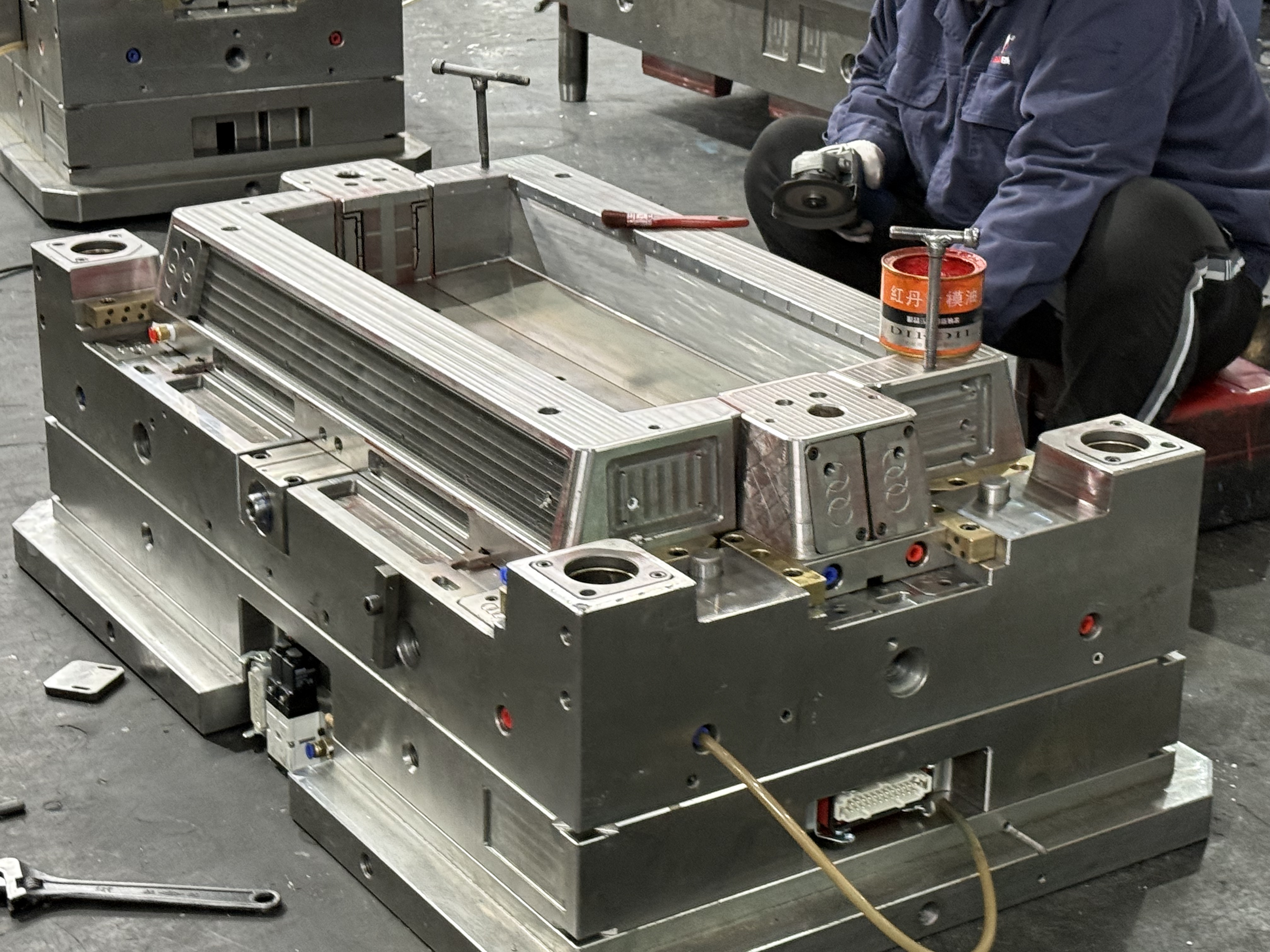
This is the most technically demanding section of the mold room. Molds are subject to extreme pressures (tonnage) and temperatures, leading to wear.
Routine Maintenance (Performed after every production run):
Waterline Flushing: Using high-pressure air or chemical baths to remove scale and rust from cooling channels, ensuring efficient cycle times.
Surface Cleaning: Removing residual plastic (flash) from parting lines using soft copper scrapers or ultrasonic cleaners.
Lubrication: Applying high-temperature grease to ejector pins, slides, and guide posts.
Repair Capabilities (Light to Medium):
While complex mold making might be outsourced, a good toolroom handles:
Polishing and stoning (removing minor dings from shut-offs).
Replacing standard components (bushings, ejector pins, return pins).
Minor spot welding (repairing small cracks).
4. Mold Preparation (Set-Up) and Workflow
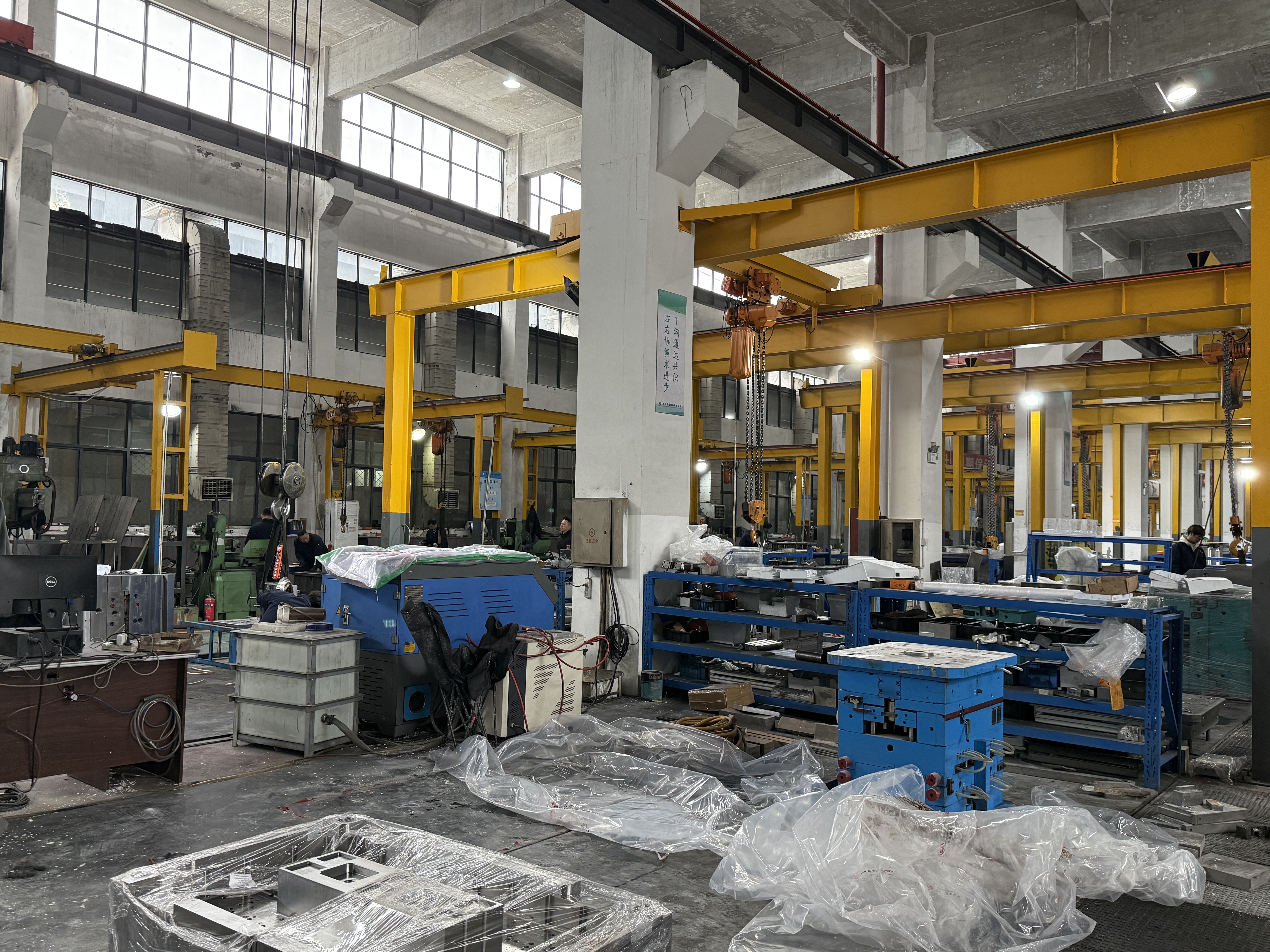
The efficiency of the mold room directly impacts the Overall Equipment Effectiveness (OEE) of the factory. A slow toolroom creates starving machines.
Standard Operating Procedure (SOP):
Request: Production scheduler requests Mold ID #203 for a 3-day run.
Retrieval: Crane operator retrieves mold from rack and places it on a cart.
Pre-heat: Mold enters the oven (typically 2-4 hours before the machine is ready).
Inspection: While heating, the technician checks for loose screws or broken springs.
Staging: The hot mold is delivered to the molding machine with the correct clamp plates and water hoses attached.
Critical Rule: Molds must enter the machine at operating temperature. Mounting a cold mold causes thermal shock to the steel and requires 50-100 “warm-up shots” that must be scrapped.
5. Safety and Environmental Standards
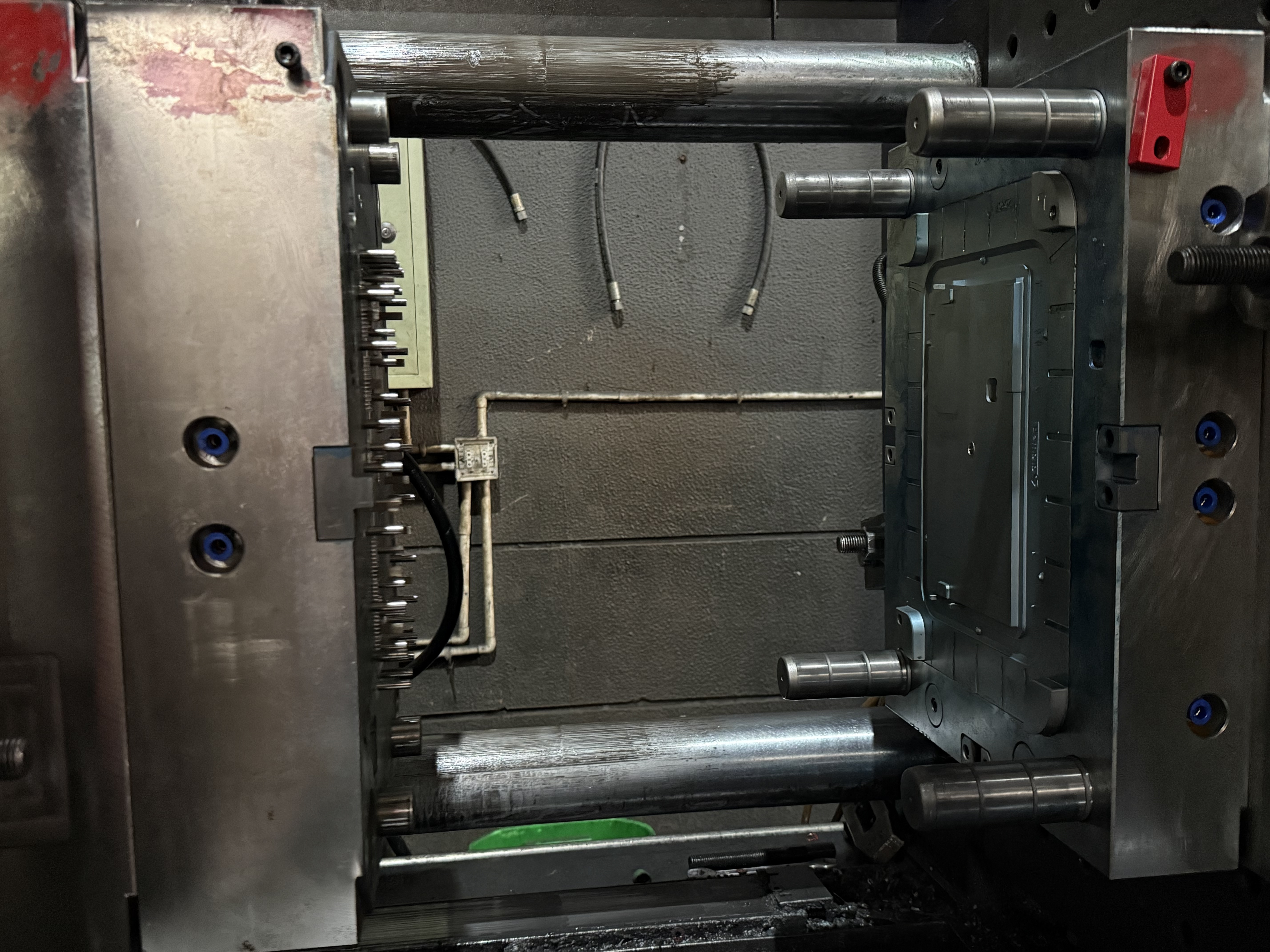
The mold room is a high-risk zone for heavy lifting and pinch points. Strict safety protocols include:
Manual Handling: Banning manual lifting of molds over 20kg; cranes must be used for everything else.
Lockout/Tagout (LOTO): Ensuring water and electric lines to the mold are disconnected before service.
Personal Protective Equipment (PPE): Steel-toed boots, impact-resistant gloves, and safety glasses mandatory.
Corrosion Control: Maintaining humidity below 50% in the storage area to prevent rust on polished steel surfaces.
6. Conclusion
The injection molding toolroom is not simply a storage closet; it is a strategic profit center. A well-organized mold room reduces setup times from hours to minutes, eliminates scrap caused by dirty tooling, and extends the lifespan of a mold from 500k cycles to over 2 million cycles. By investing in proper racking, pre-heating ovens, and skilled technicians, manufacturers ensure that their molding machines—the most expensive assets in the plant—remain productive and profitable.