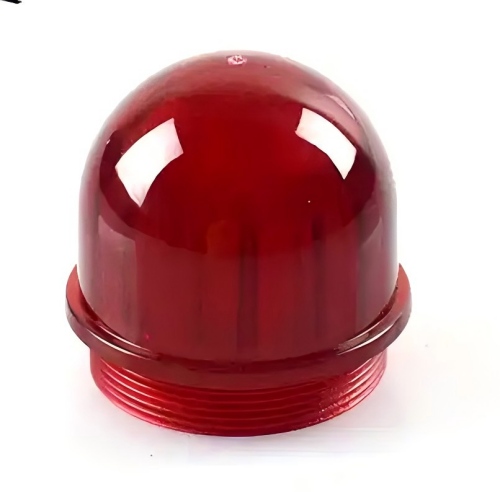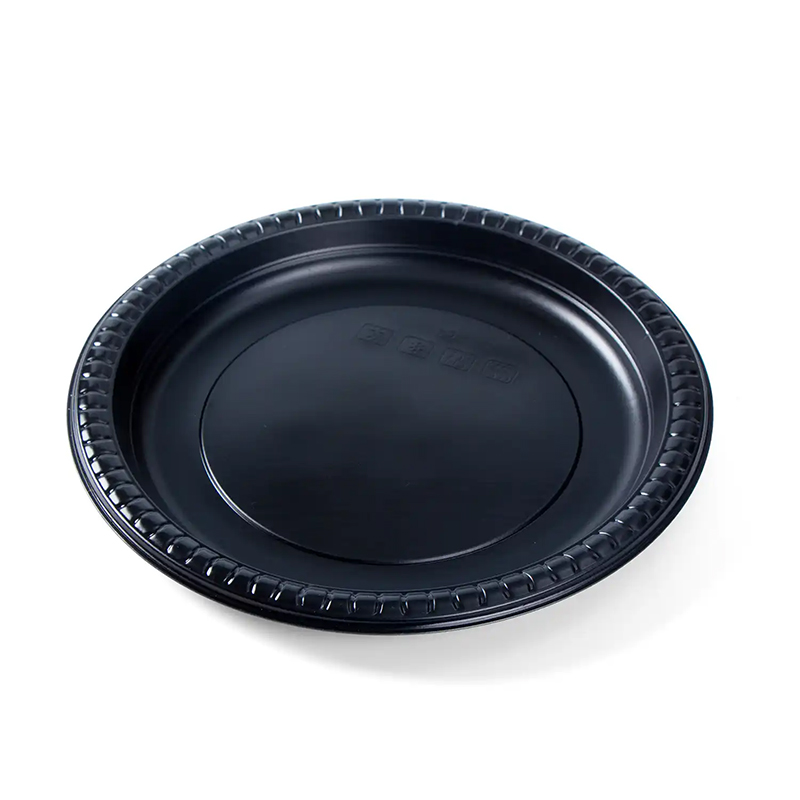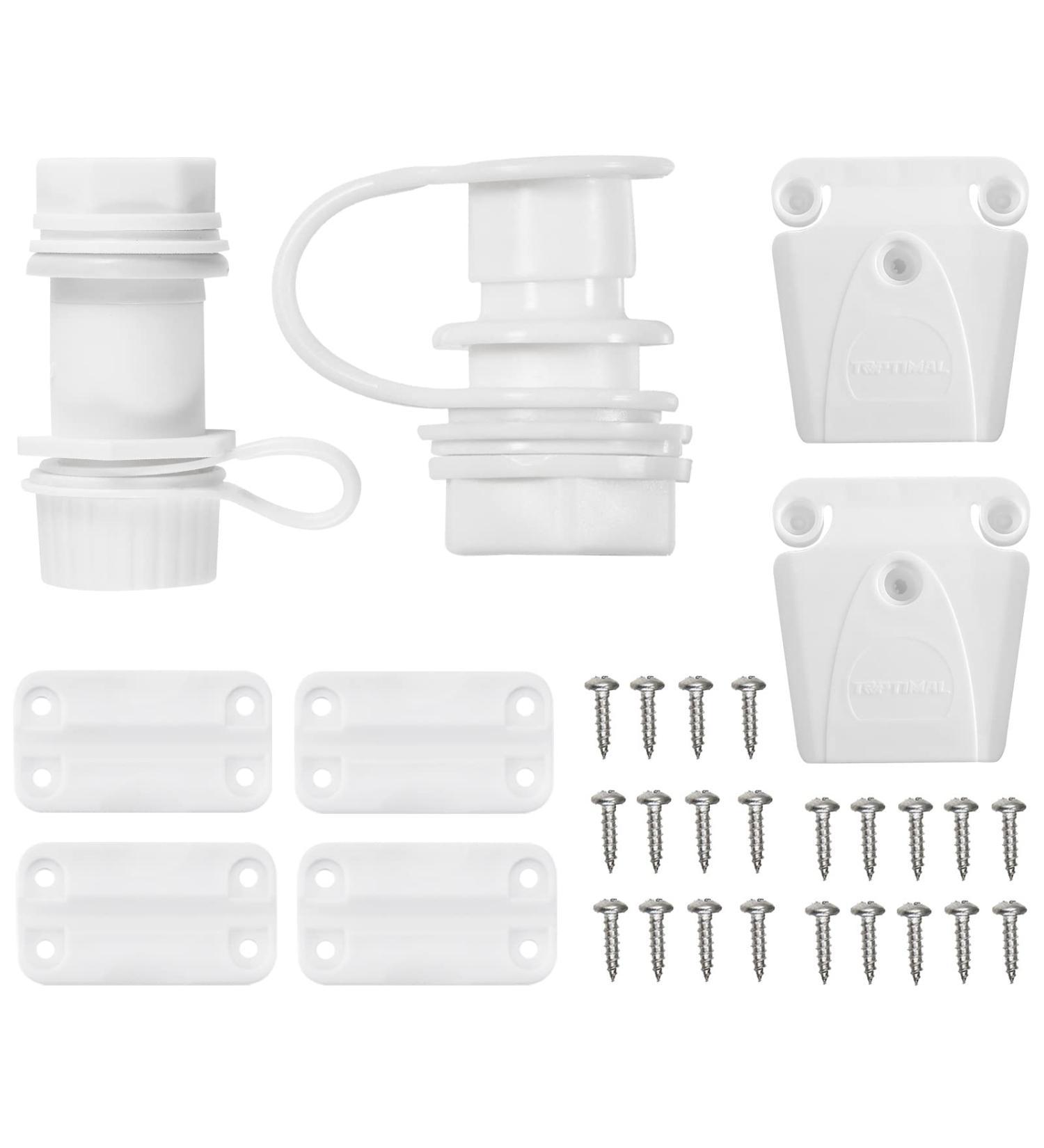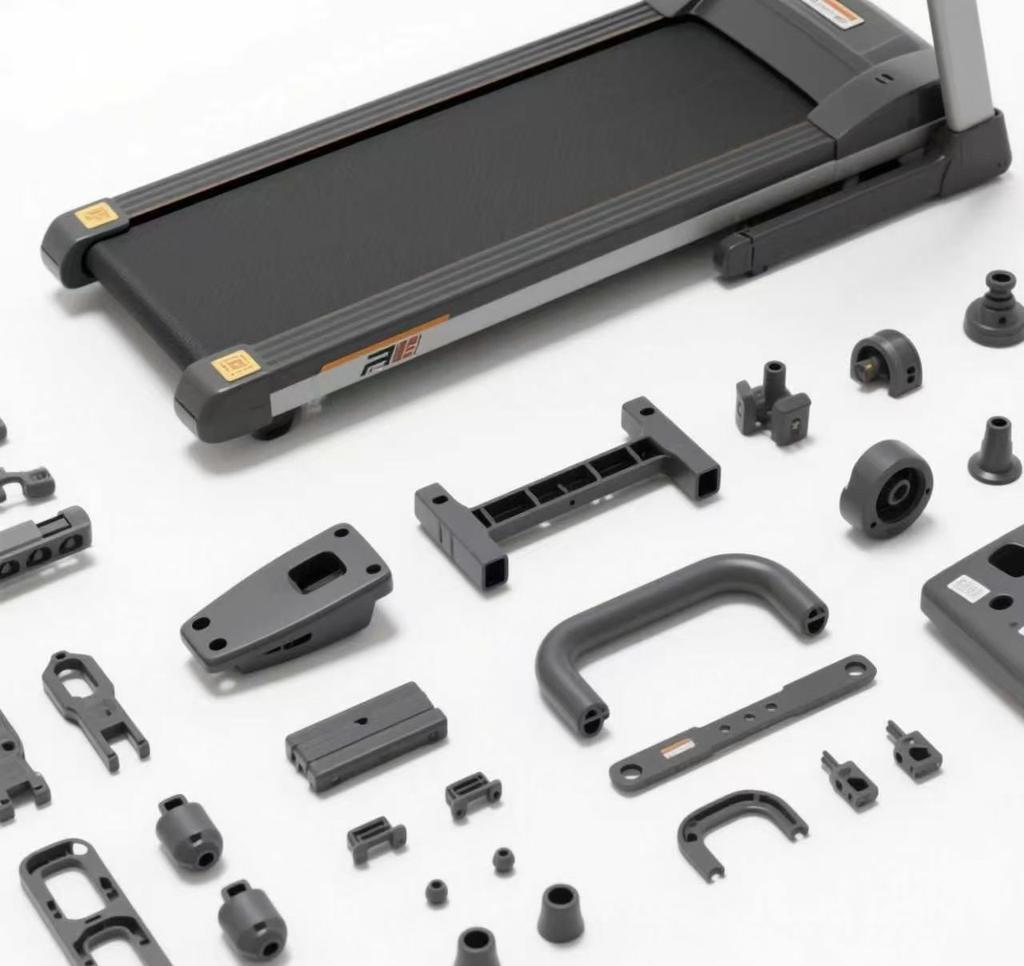

Polycarbonate PC Housing Injection Molded Parts
Transparent Excellence in Engineering
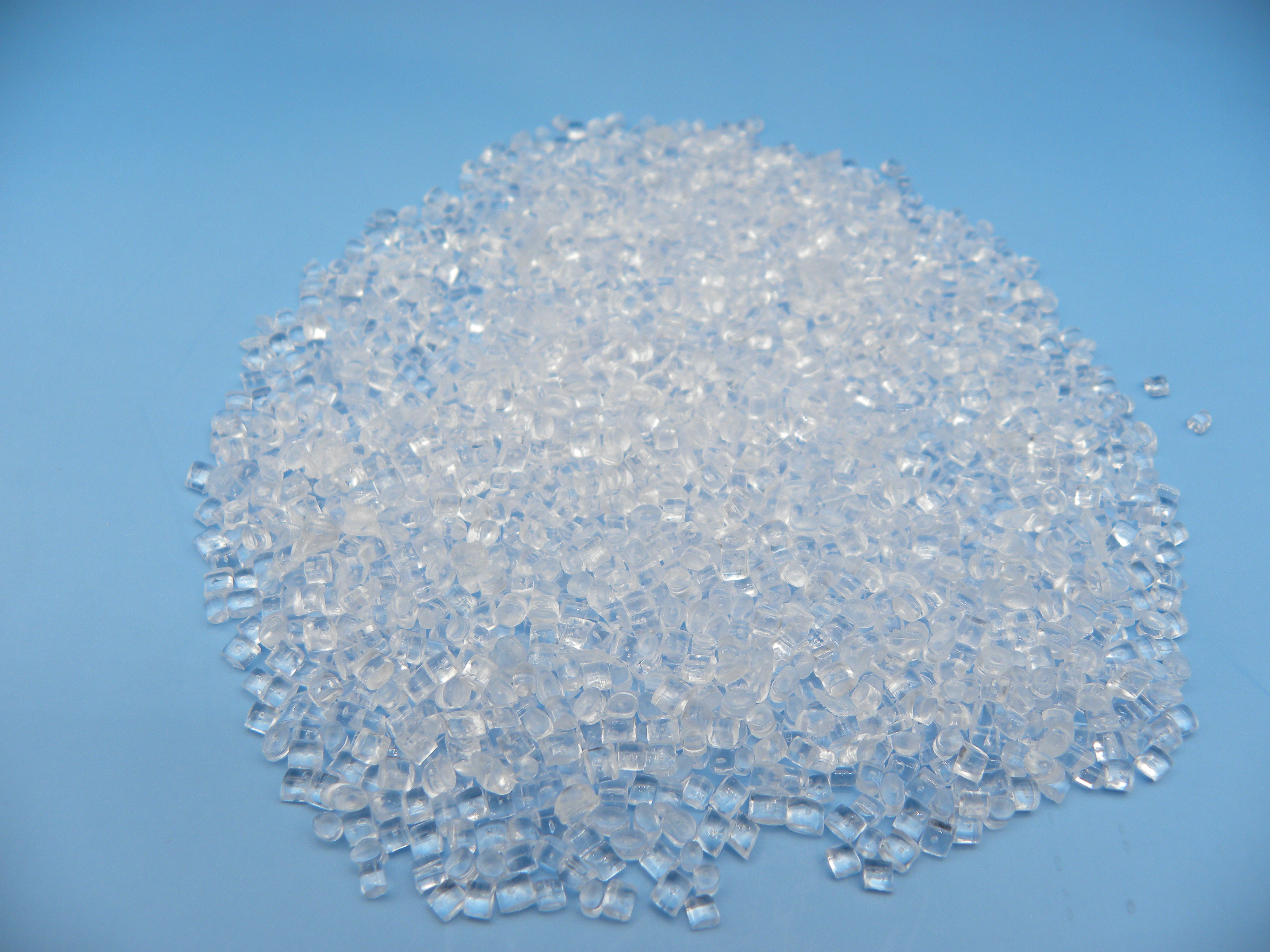
Polycarbonate (PC) represents the pinnacle of performance in transparent engineering thermoplastics, combining exceptional optical properties with remarkable toughness. Our PC injection molded parts deliver unparalleled clarity, impact resistance, and dimensional stability that bridges the gap between glass and conventional plastics. As the material of choice for applications where both transparency and durability are non-negotiable, PC offers a unique combination of properties that make it indispensable across safety-critical and high-performance industries.
Unlike any other transparent material, PC provides approximately 250 times the impact resistance of standard glass while maintaining excellent light transmission properties. This extraordinary balance of optical quality and mechanical performance has established PC as the definitive solution for protective components, optical devices, and demanding applications where failure could have serious consequences.
Unmatched Material Properties
Exceptional Impact Resistance
PC's most celebrated characteristic is its extraordinary toughness, maintaining structural integrity under severe impact conditions where other transparent materials would shatter. This makes it ideal for protective applications ranging from safety goggles to riot shields and bullet-resistant windows in lower threat levels.
Optical Clarity and Transparency
With light transmission rates reaching 90% - rivaling that of optical glass - PC offers brilliant clarity with minimal distortion. The material can be produced in perfectly transparent forms or tinted to specific colors while maintaining excellent optical properties.
Thermal Performance and Flame Resistance
PC exhibits a high heat deflection temperature (typically 130-140°C/266-284°F), allowing it to maintain structural integrity under thermal stress. Many grades are inherently flame retardant and meet stringent UL94 V-0, V-1, and V-2 ratings without requiring additives that might compromise optical clarity.
Dimensional Stability and Creep Resistance
PC demonstrates minimal dimensional changes across wide temperature ranges and maintains its shape under sustained load better than many transparent materials. This stability ensures long-term performance in precision applications.
Versatile Processing Characteristics
PC can be easily molded into complex geometries with tight tolerances, allowing for integrated design features such as living hinges, snap fits, and intricate optical elements that would be impossible with glass.
Advanced Manufacturing Process
Precision Optical Molding
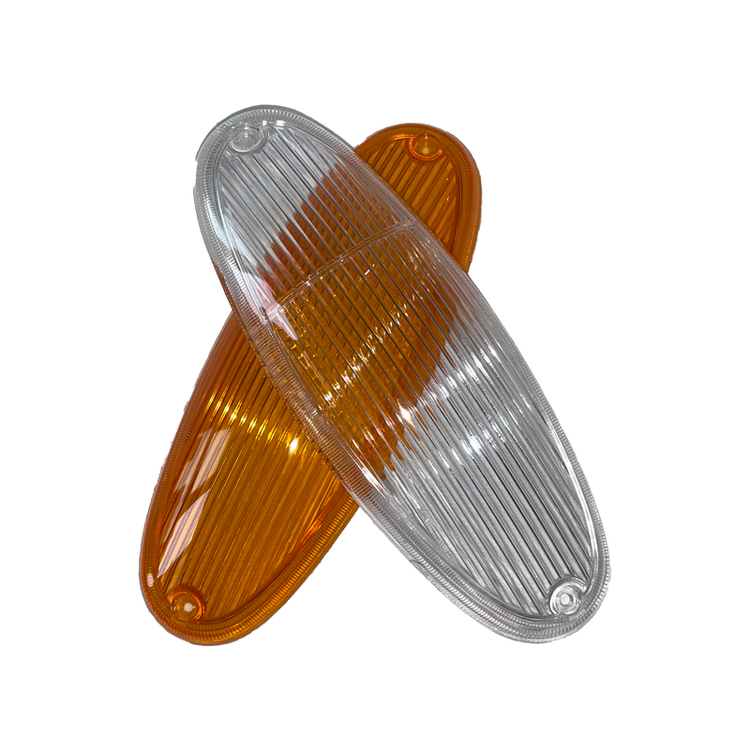
Manufacturing high-quality PC components requires specialized expertise and equipment:
Moisture-Sensitive Processing:
PC resin is highly hygroscopic and must be meticulously dried to moisture levels below 0.02% before processing to prevent steam marks, bubbles, and degradation of mechanical properties.
Temperature-Controlled Precision:
Our injection molding process utilizes precise barrel temperature profiles (typically 280-320°C/536-608°F) and mold temperature control (80-110°C/176-230°F) to achieve optimal optical properties and dimensional accuracy.
Clean-Room Capabilities:
For optical and medical applications, we provide clean-room manufacturing environments (up to Class 8/ISO 14644-1 Class 8) to prevent contamination that could compromise clarity or function.
Technical Specifications and Material Grades
Available PC Variants
Optical Grade: Maximum clarity with minimal inclusions and color for lenses and windows
Medical Grade: Compliant with USP Class VI, ISO 10993, and FDA requirements
Flame-Retardant: UL94 V-0 and 5VA rated grades without compromising transparency
Glass-Filled: Enhanced stiffness and dimensional stability while maintaining partial transparency
UV-Stabilized: Protection against yellowing and degradation from sunlight exposure
Anti-Static/Easy-Clean: Surface-modified grades that resist dust accumulation
Key Material Properties
Light Transmission: Up to 90% (for clear grades)
Refractive Index: 1.585
Tensile Strength: 55-75 MPa
Flexural Modulus: 2.3-2.4 GPa
Impact Strength (Notched Izod): 600-850 J/m
Heat Deflection Temperature: 130-140°C @ 1.8 MPa
Continuous Service Temperature: -40°C to 120°C (-40°F to 248°F)
Design Capabilities and Application Solutions
Engineering for Performance
Our engineering expertise transforms PC's remarkable properties into practical solutions:
Optical Design Features:
Fresnel lenses and light-guiding elements
Prismatic surfaces for light diffusion
Precision optical surfaces with <0.1° angular tolerance
Integrated mounting features for optical assemblies
Structural Innovations:
Thin-walled designs down to 0.5mm while maintaining strength
Living hinges capable of thousands of flex cycles
Snap-fit assemblies eliminating secondary fasteners
Complex internal ribbing for structural reinforcement
Critical Industry Applications
Safety and Protective Equipment:
Safety goggles, face shields, and riot gear
Machine guards and protective shields
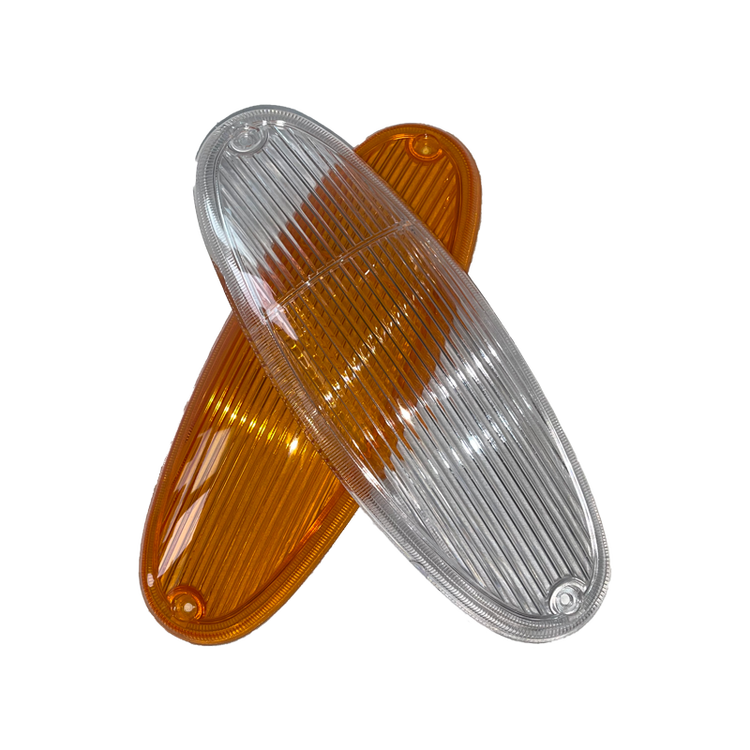
Automotive headlamp lenses and taillight covers
Bullet-resistant glazing (when laminated)
Medical and Healthcare:
Surgical instrument components
Medical device housings with status windows
Fluid reservoirs and measurement chambers
Disposable and reusable medical components
Electronics and Consumer Goods:
Smartphone and tablet structural components
LED lighting diffusers and covers
Transparent appliance components
Wearable device housings
Automotive and Transportation:
Interior lighting covers and lenses
Instrument cluster windows
Sunroof and window components
Advanced driver-assistance system (ADAS) sensor covers
Building and Architecture:
Skylight and greenhouse panels
Noise barriers with optical transparency
Protective glazing for public spaces
Decorative transparent elements
Quality Assurance and Testing Protocols
Optical Quality Standards
Haze and Luminous Transmittance: Measured per ASTM D1003
Surface Quality: Inspection for scratches, inclusions, and defects
Birefringence Analysis: For stress evaluation in optical applications
Color Consistency: Spectrophotometric measurement to ΔE < 1.0
Mechanical and Performance Testing
Impact Resistance: Multi-height dart drop testing per ASTM D3763
Environmental Stress Crack Resistance (ESCR): Testing with common chemicals
Accelerated Weathering: Xenon arc testing per ASTM G155 for UV stability
Flame Resistance: UL94 vertical and horizontal burning tests
Certifications and Compliance
ISO 9001:2015 Quality Management System
ISO 13485:2016 for medical device components
UL Component Recognition
FDA 21 CFR Compliance for food contact and medical applications
RoHS, REACH, and Proposition 65 compliance
Surface Treatments and Finishing Options
Enhanced Performance Coatings
Hard Coatings: Abrasion-resistant coatings increasing surface hardness up to 6H pencil hardness
Anti-Fog Treatments: Permanent hydrophilic coatings preventing condensation
Anti-Reflective Coatings: Multi-layer coatings reducing surface reflection to <1%
Conductive Coatings: Transparent conductive oxides for EMI shielding or touch functionality
Decorative and Functional Finishes
Painting and Printing: Silk-screening, pad printing, and spray painting with excellent adhesion
Metallization: Vacuum metallization for decorative or reflective applications
Texture Application: Mold texturing for diffusion or decorative effects
Laser Marking and Engraving: Permanent marking for identification or decoration
Technical Support and Customization Services
Application-Specific Solutions
Our engineering team provides comprehensive support from concept to production:
Design Optimization:
Moldflow analysis for gate placement and filling optimization
Structural FEA for load-bearing applications
Optical simulation for light management components
Design for Manufacturability (DFM) analysis
Material Selection Guidance:
Balancing optical requirements with mechanical demands
Environmental resistance recommendations
Regulatory compliance pathway planning
Cost-performance optimization
Prototyping and Development
Rapid Prototyping: Transparent stereolithography (SLA) parts for concept validation
Bridge Tooling: Low-volume injection molding for functional testing
Pre-Production Samples: Full material and process validation before mass production
Application Testing Support: Assistance with qualification and certification testing
Production Capabilities
Volume Scalability: From hundreds to millions of parts annually
Secondary Operations: Precision cutting, drilling, ultrasonic welding, and assembly
Clean Room Packaging: For medical and optical components
Just-in-Time Delivery: Kanban systems and supply chain integration
Contact our optical materials specialists to discuss how PC components can bring transparency, safety, and performance to your next product. Request optical samples, material data sheets, or schedule a technical consultation to explore the possibilities of polycarbonate for your specific application.
Related Plastic Manufacturing Services
Buyers comparing this project can also review these related Samgo Plastics services for product development mold making and injection molding planning.
What exactly are your OEM services?
Our OEM (Original Equipment Manufacturing) service allows you to bring your unique outdoor gear ideas to life. We handle the entire product development and manufacturing process based on your specifications, designs, and brand requirements. From initial concept and material sourcing to prototyping, production, and quality control, we become your dedicated manufacturing partner. Your brand logo and identity will be applied to the final products.What is your MOQ (Minimum Order Quantity)?
We understand that brands need flexibility, especially when launching new products. Therefore, we offer flexible MOQs, which vary depending on the product complexity, materials required, and customization level. We encourage you to discuss your project with us, and we will do our best to propose a feasible MOQ.Can you help us develop a product from just an idea or a sketch?
Absolutely! We specialize in turning concepts into high-quality, market-ready products. Our product development team will work closely with you to refine your idea, select appropriate materials, create technical drawings, and develop prototypes until your vision is perfectly realized.What are the typical steps in the OEM process with your company?
1.Initial Inquiry & Consultation: You share your concept, target market, and requirements. 2.Quotation & Agreement: We provide a detailed quotation, and once approved, we sign a service agreement. 3.Research & Development (R&D): Our team works on technical designs, material selection, and sample development. 4.Prototyping: We create a physical prototype for your evaluation and feedback. 5. Molds:After design confirming, we will creat mold before production. 5.Sample Approval: You approve the final sample, confirming quality, design, and functionality. 6.Mass Production: Upon your production order confirmation, we begin manufacturing your products. 7.Rigorous Quality Control (QC): We conduct inspections throughout production and a final random inspection before shipment. 8.Shipping & Delivery: We securely pack and arrange shipment to your designated destination.How long does the entire process take from concept to delivery?
The timeline varies significantly based on product complexity and order quantity. A general estimate is: Development & Sampling: 4-8 weeks. Mass Production: 4-6 weeks after sample approval. Please note that this is an estimate, and a precise timeline will be provided with your project quotation.Who owns the intellectual property (IP) and mold/tooling for the custom products?
You retain 100% ownership of your brand identity, designs, and product IP. For any custom molds or tooling created specifically for your project, ownership can be transferred to you upon agreement. We strictly adhere to confidentiality and will never use your designs for other clients.How do you determine the price for an OEM order?
The unit price is determined by several factors, including: Product complexity and design Cost of raw materials Labor and manufacturing processes involved Order quantity Packaging requirements We strive to offer competitive pricing without compromising on quality.What is your quality control process?
Quality is our top priority. Our QC process includes: Incoming Quality Control (IQC): Inspection of all raw materials. In-Process Quality Control (IPQC): Checks during key stages of production. Pre-Shipment Inspection (PSI): A final random inspection of finished products against your approved sample and our quality standards. We can provide detailed QC reports.Can we inspect the products before they are shipped?
Yes. We highly recommend a pre-shipment inspection. You are welcome to send your own QC inspector, or you can hire a third-party inspection company to perform the check at our factory. We can also provide you with photos and videos of the production and final products.How do you handle shipping?
We have extensive experience in shipping outdoor gear globally. We can handle the logistics for you and arrange shipment via sea (for large volumes) or air (for smaller, urgent orders). We work with reliable freight forwarders to ensure a smooth process. Shipping costs will be included in your final quotation.
Related Products