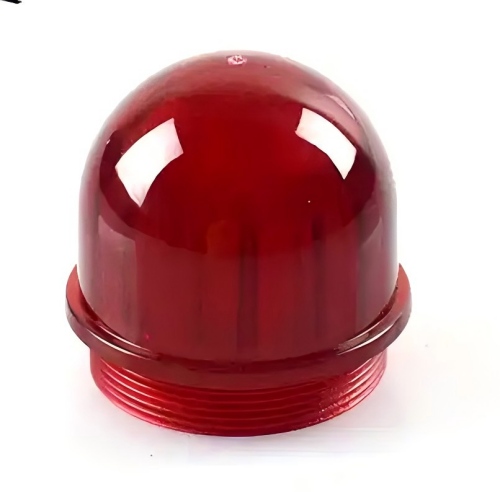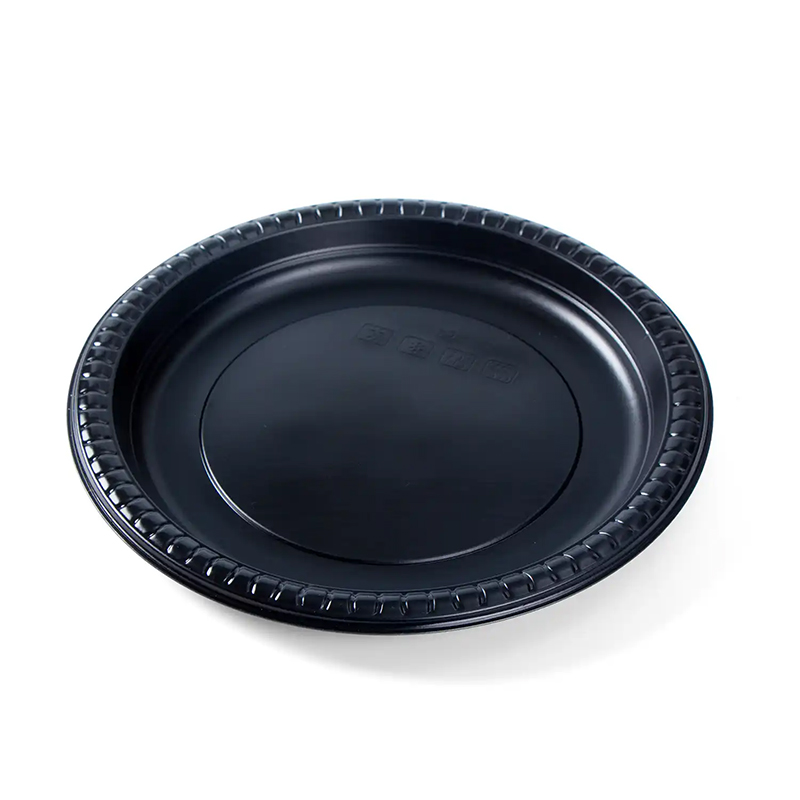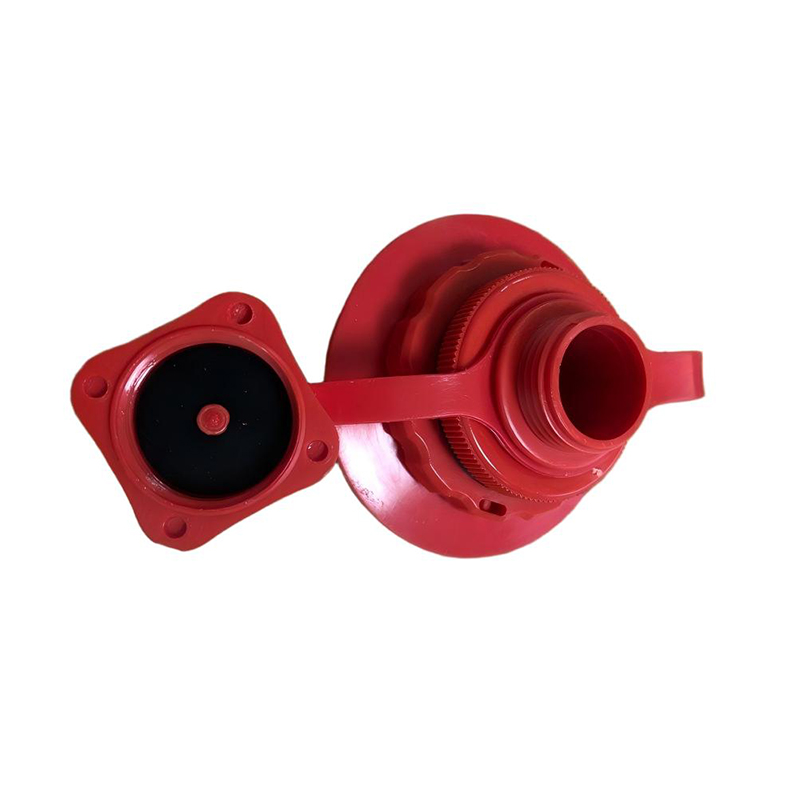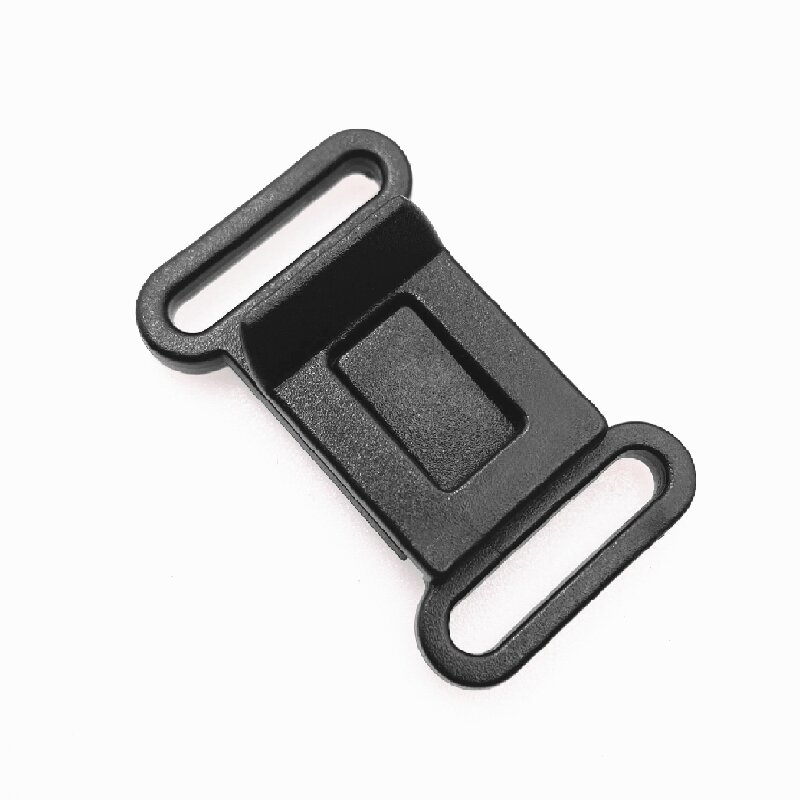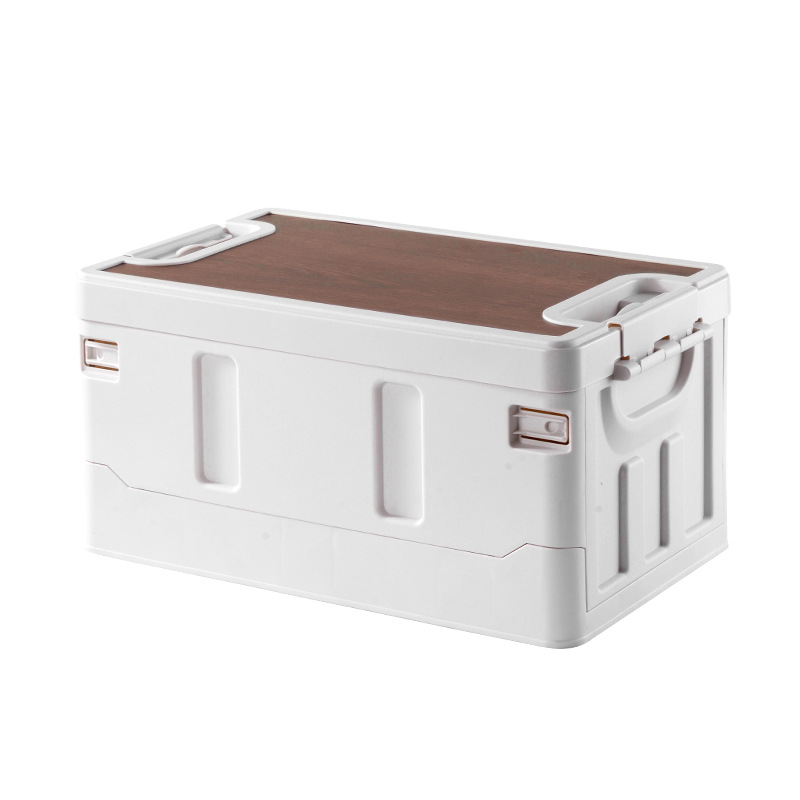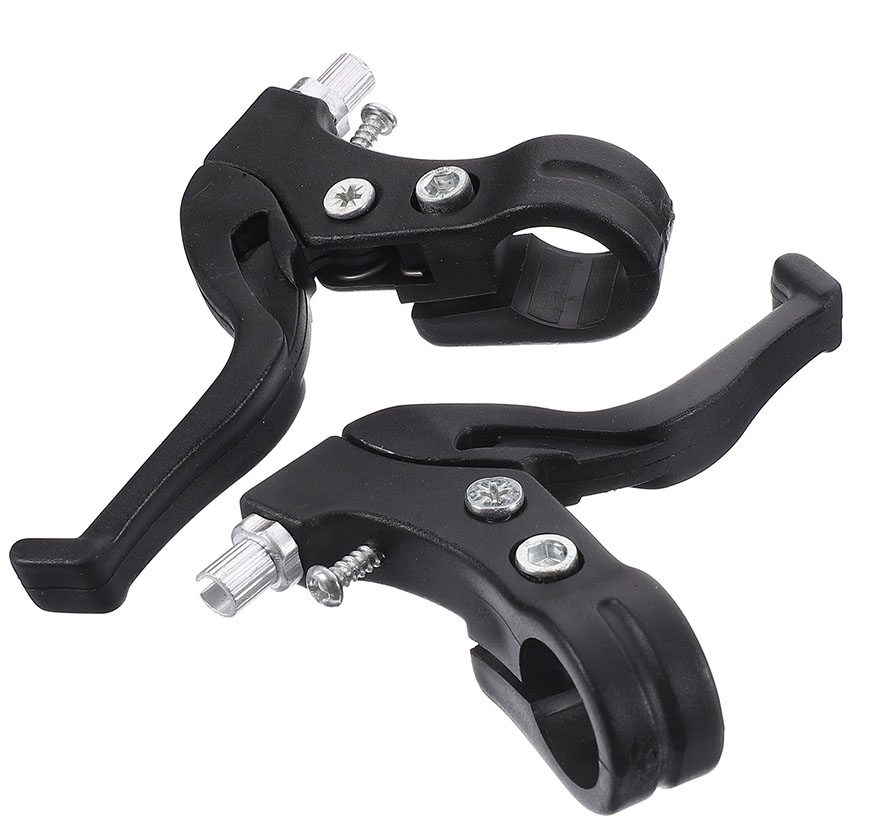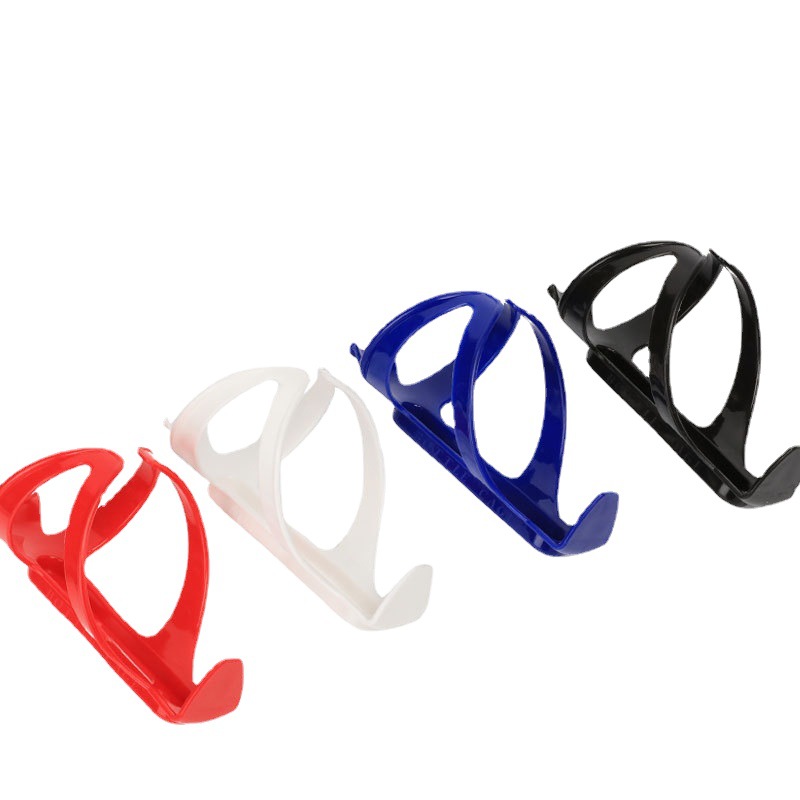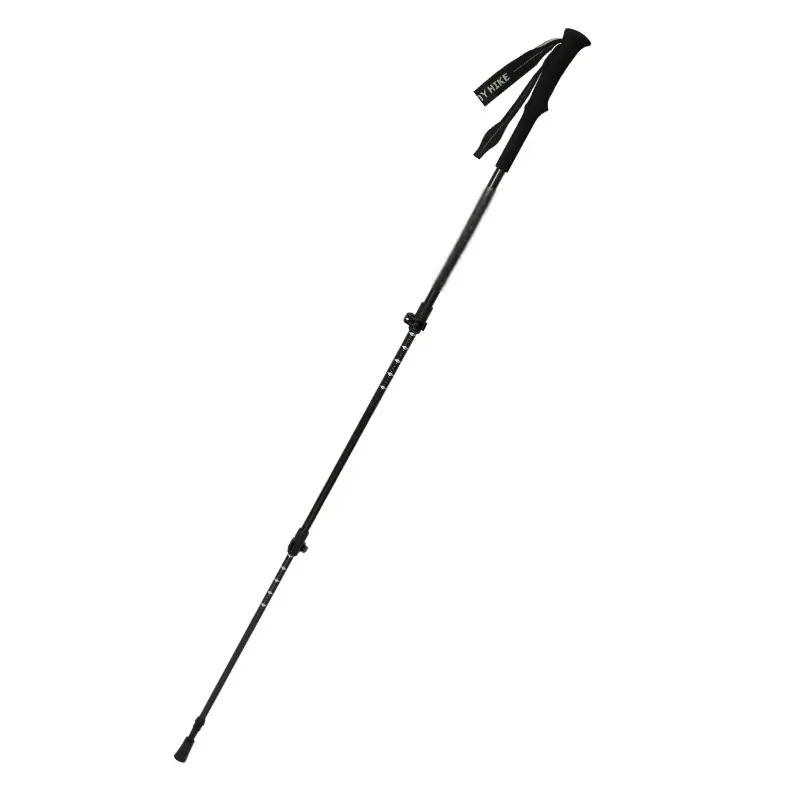

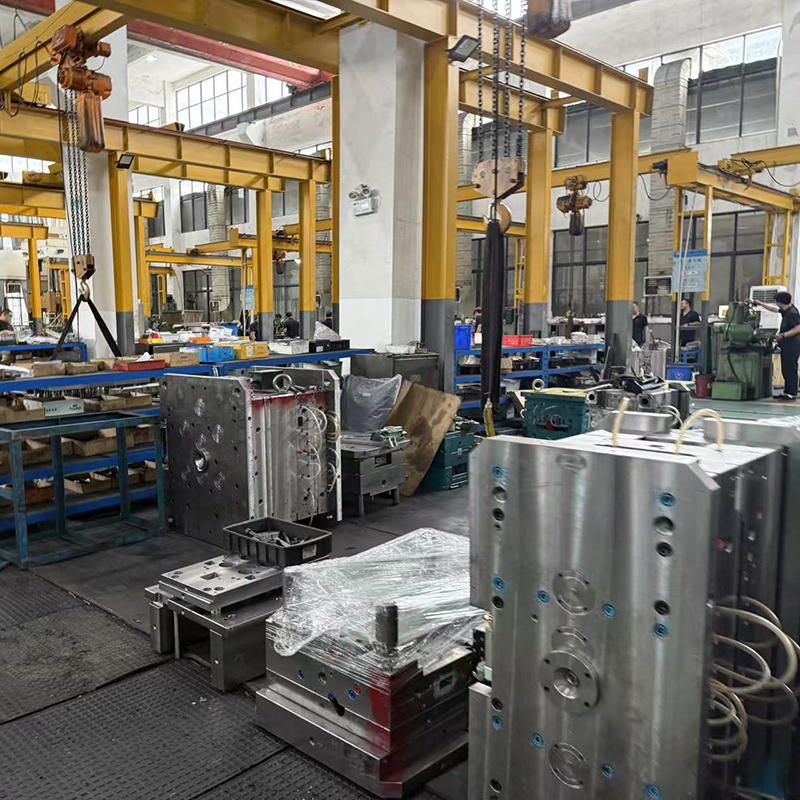
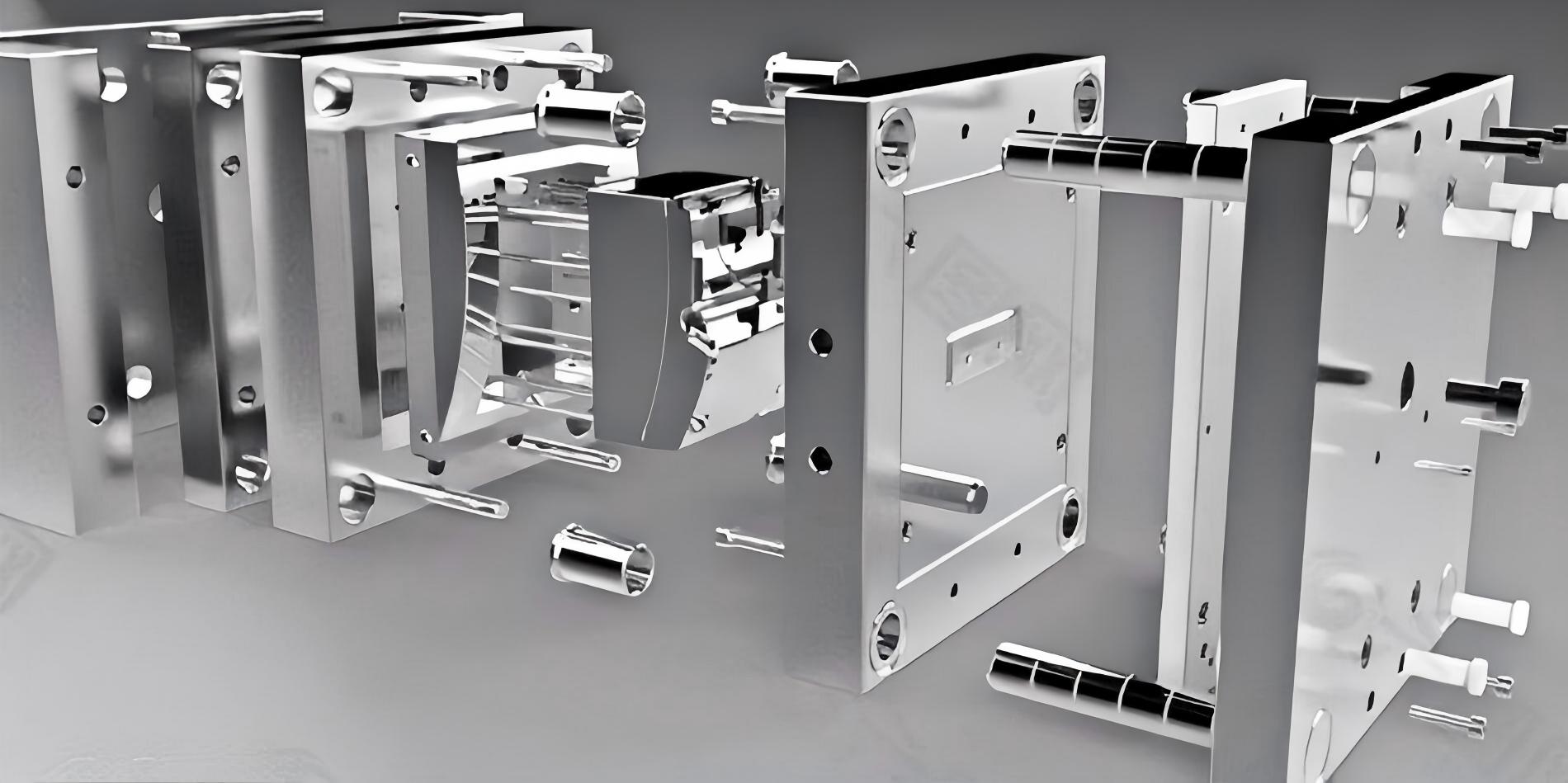
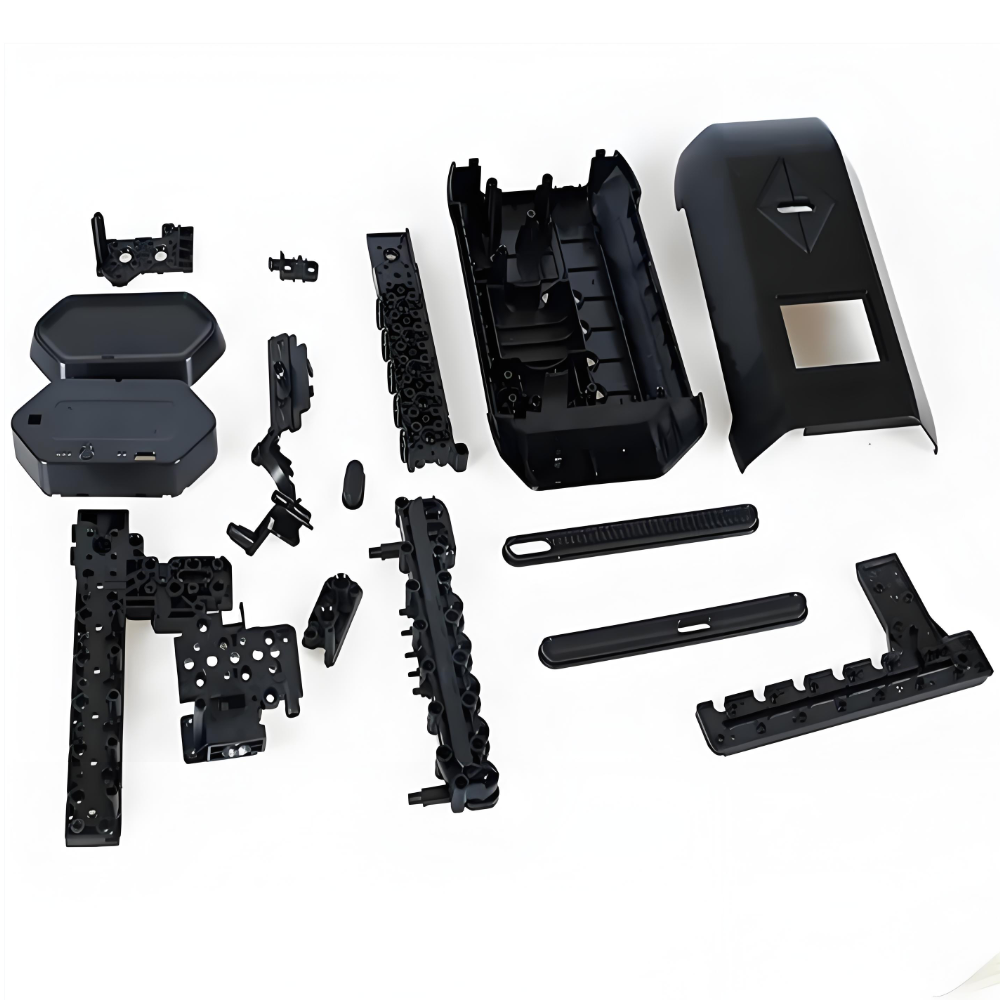
OEM ABS housing Injection Parts
Introduction to ABS Plastic
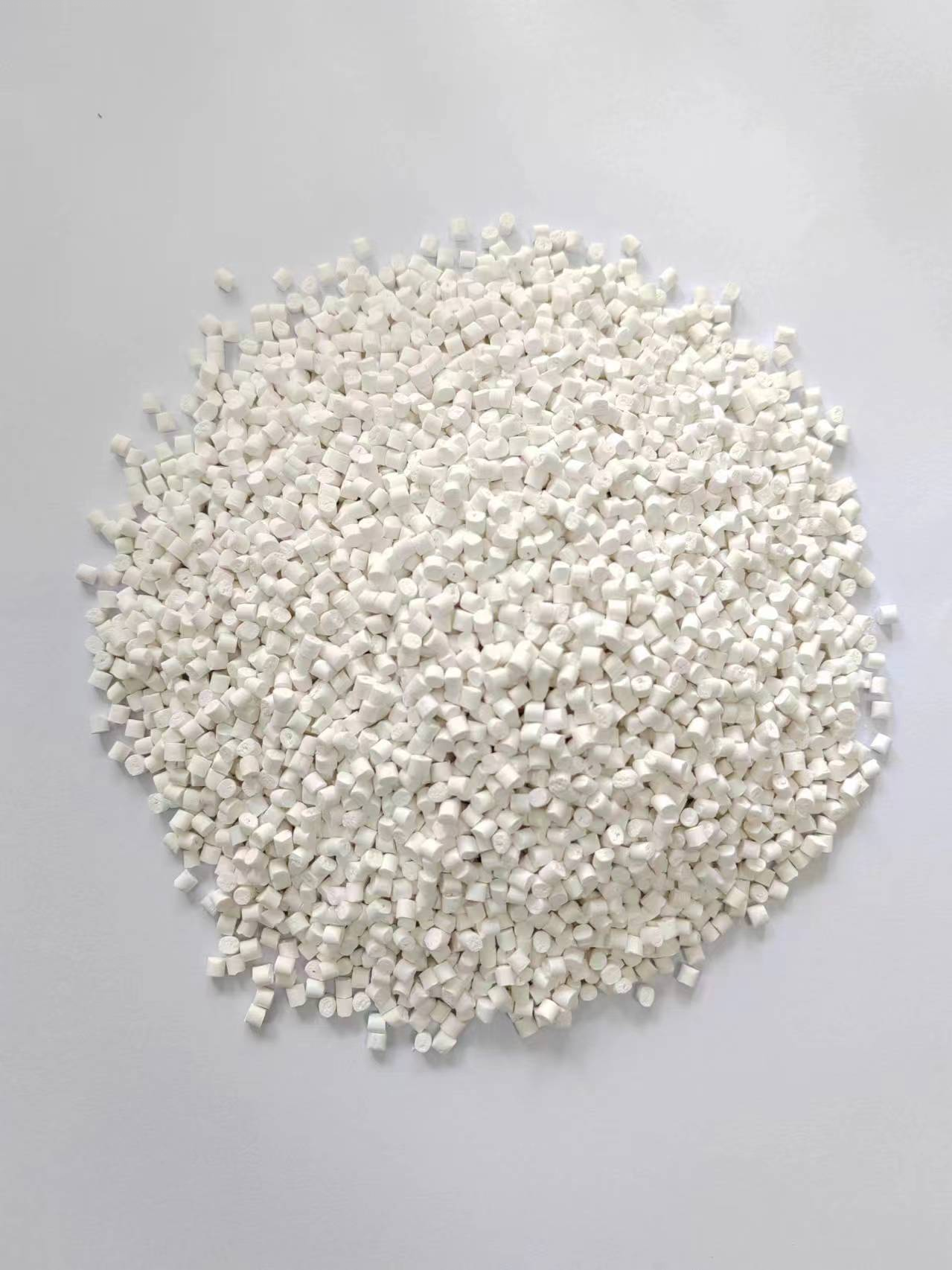
Acrylonitrile Butadiene Styrene (ABS) is one of the most versatile and widely used engineering thermoplastics in manufacturing today. Our ABS injection molded parts combine durability, dimensional stability, and excellent surface finish, making them ideal for a broad range of applications across industries.
ABS offers an exceptional balance of mechanical properties, including high impact strength, rigidity, and good chemical resistance. The material's inherent characteristics allow for the production of complex geometries with tight tolerances while maintaining cost-effectiveness for both low and high-volume production runs.
Key Features and Benefits
Superior Mechanical Properties
Our ABS injection molded components exhibit remarkable toughness and impact resistance, particularly at low temperatures. The butadiene component provides exceptional durability, making these parts resistant to physical impacts and mechanical stress during use.
Excellent Surface Finish
ABS naturally produces parts with a glossy, appealing surface that requires minimal post-processing. The material accepts paints, platings, and coatings exceptionally well, allowing for enhanced aesthetic customization to meet specific brand or design requirements.
Dimensional Stability
ABS maintains its shape and size under various environmental conditions, with low moisture absorption and minimal shrinkage during cooling. This stability ensures consistent performance and reliable assembly in multi-component products.
Thermal and Chemical Resistance
With a functional temperature range of -20°C to 80°C (-4°F to 176°F), ABS performs reliably in most operating environments. It demonstrates good resistance to diluted acids, alkalis, and many oils and greases.
Cost-Effective Manufacturing
The efficiency of the injection molding process with ABS translates to shorter cycle times and reduced production costs compared to many alternative materials, providing excellent value without compromising quality.
Manufacturing Process
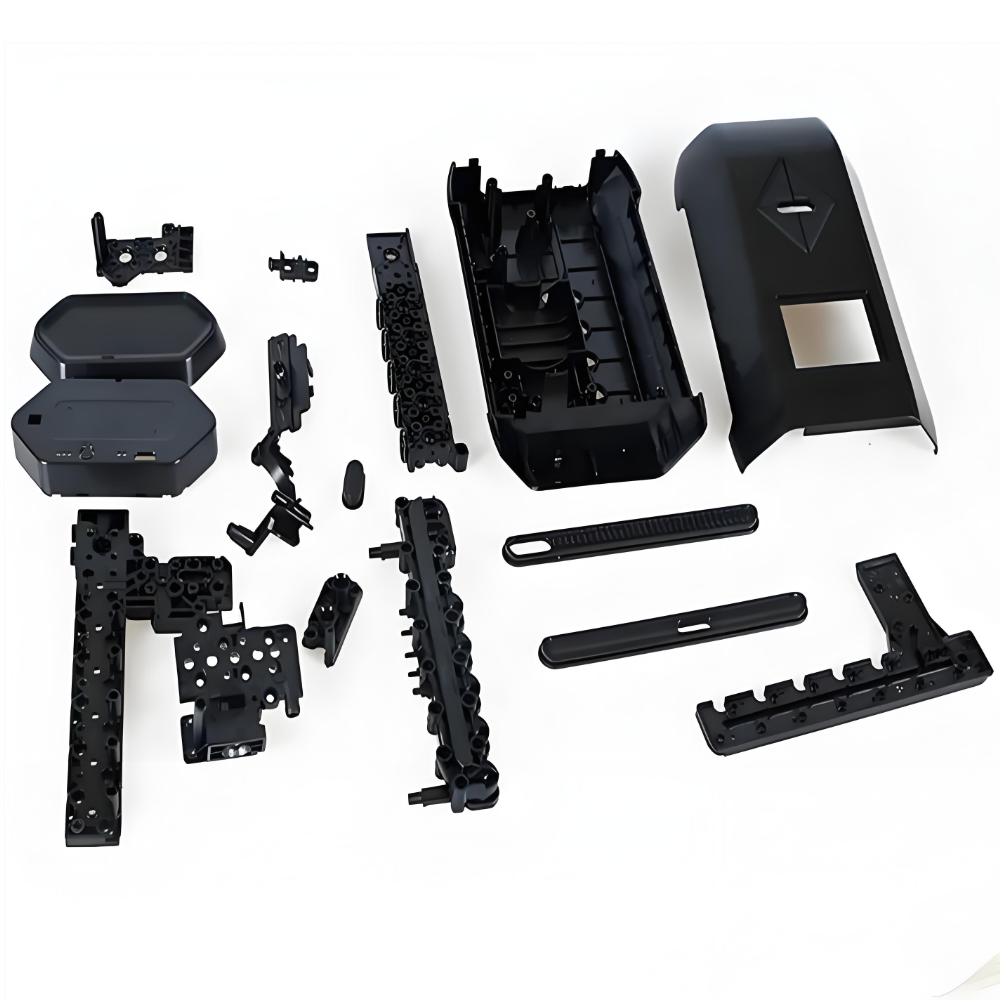
Precision Injection Molding
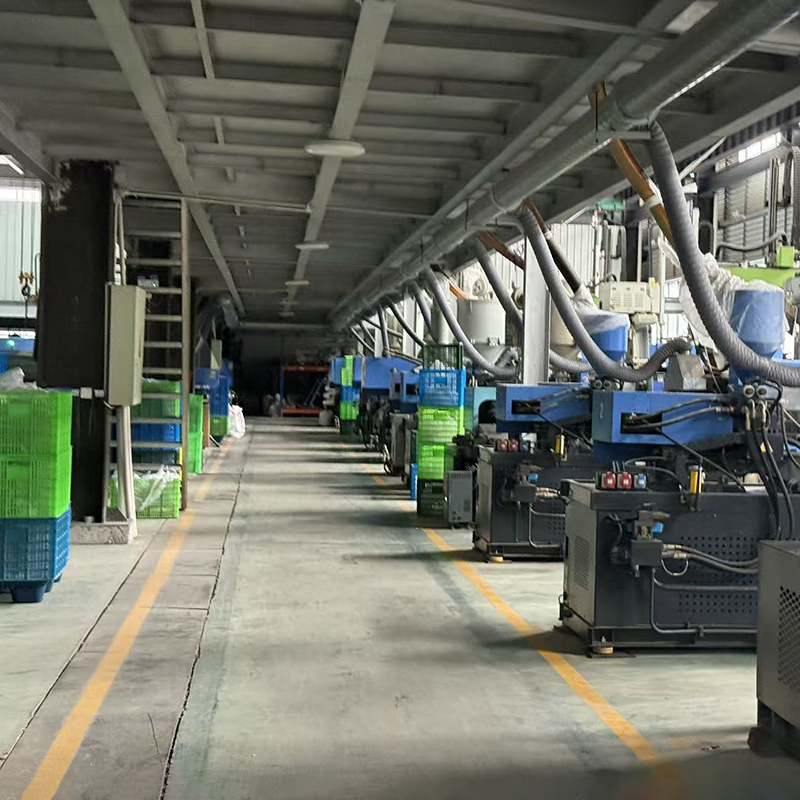
Our manufacturing process begins with drying the ABS pellets to remove moisture, followed by precise melting and injection into custom-designed molds under high pressure. We utilize advanced hydraulic or electric injection molding machines capable of producing parts with weights ranging from a few grams to several kilograms.
Quality Control
Each production run undergoes rigorous quality checks, including:
Dimensional verification using coordinate measuring machines (CMM)
Visual inspection for surface defects
Batch testing for mechanical properties
Consistency checks for color and finish
Technical Specifications
Material Properties
Tensile Strength: 40-50 MPa
Impact Strength (Izod Notched): 200-400 J/m
Flexural Modulus: 2.1-2.8 GPa
Heat Deflection Temperature: 90-100°C at 1.8 MPa
Density: 1.02-1.05 g/cm³
Flammability Rating: UL94 HB (standard grades)
Available Finishes
Natural glossy finish
Textured surfaces (various patterns available)
Painted finishes (any Pantone color match)
Matte or satin finishes
Chrome plating and metallization
UV-resistant coatings for outdoor applications
Color Options
We offer ABS parts in standard colors (black, white, gray, beige) or custom color matching to your specific requirements. Color consistency is maintained through precise pigment dosing and controlled manufacturing parameters.
Design Capabilities
Our engineering team specializes in designing ABS components that maximize the material's potential while optimizing for manufacturability. We can incorporate various design features:
Structural Elements
Bosses and Ribs: For enhanced strength without excessive wall thickness
Snap-Fits and Living Hinges: For assembly without additional fasteners
Threaded Inserts: For secure fastening options
Undercuts: With appropriate mold design solutions
Tolerances and Precision
We maintain standard tolerances of ±0.15% on critical dimensions, with capability for tighter tolerances (±0.05%) when required for specific applications.
Wall Thickness Optimization
Recommended wall thickness ranges from 1.2mm to 3.5mm, with gradual transitions to prevent sink marks and ensure uniform cooling.
Applications
Automotive Components
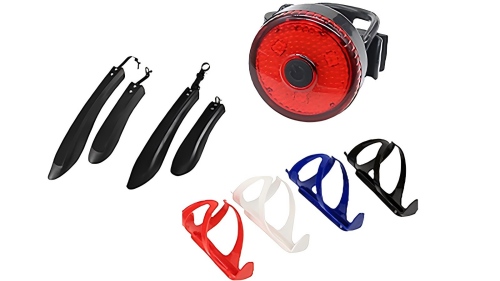
Interior trim pieces and dashboard components
HVAC system parts
Connectors and housings
Console components and storage solutions
Electronics and Consumer Goods
Appliance housings (vacuum cleaners, kitchen appliances)
Power tool bodies and components
Consumer electronics enclosures
Telecommunication equipment housings
Medical Equipment
Non-implant device housings
Equipment handles and knobs
Diagnostic equipment components
Medical device enclosures (with appropriate certifications)
Industrial Applications
Machinery housings and covers
Material handling components
Enclosures for electrical equipment
Functional prototypes and end-use parts
Quality Assurance and Certifications
Our manufacturing facilities maintain stringent quality management systems and hold relevant industry certifications:
ISO 9001:2015 Certified for quality management
ISO 14001:2015 Certified for environmental management
RoHS and REACH Compliant materials available
UL Recognized Components for electrical applications
Material Traceability maintained throughout production
Each shipment includes a certificate of compliance detailing material specifications, production parameters, and quality test results.
Environmental Considerations
Sustainability Options
Recycled Content: We offer grades containing 20-100% post-industrial recycled ABS
Recyclability: ABS components can be recycled at end of life
Energy Efficiency: Our injection molding machines incorporate energy-saving technologies
Material Optimization: We design to minimize material usage without compromising function
Compliance
Our ABS materials comply with international environmental regulations, and we can provide documentation for restricted substance compliance as required by your industry or market.
Ordering and Customization
Prototyping Services
We offer rapid prototyping of ABS parts through 3D printing and short-run injection molding to validate designs before full-scale production.
Tooling Options
Standard Molds: For common part geometries
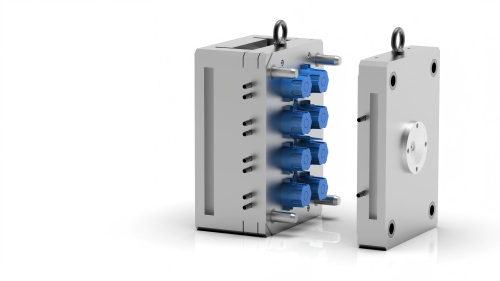
Custom Molds: Designed specifically for your application
Multi-cavity Molds: For high-volume production efficiency
Modular Mold Systems: For flexible production of part families
Minimum Order Quantities
We accommodate orders ranging from small batches (100+ pieces) to high-volume production runs (millions of parts annually), with pricing optimized for each quantity range.
Lead Times
Prototypes: 2-4 weeks
Production with existing tooling: 4-6 weeks
New tooling and production: 8-12 weeks
Contact our engineering team today to discuss your specific ABS component requirements, request samples, or obtain a detailed quotation tailored to your project needs.
What exactly are your OEM services?
Our OEM (Original Equipment Manufacturing) service allows you to bring your unique outdoor gear ideas to life. We handle the entire product development and manufacturing process based on your specifications, designs, and brand requirements. From initial concept and material sourcing to prototyping, production, and quality control, we become your dedicated manufacturing partner. Your brand logo and identity will be applied to the final products.What is your MOQ (Minimum Order Quantity)?
We understand that brands need flexibility, especially when launching new products. Therefore, we offer flexible MOQs, which vary depending on the product complexity, materials required, and customization level. We encourage you to discuss your project with us, and we will do our best to propose a feasible MOQ.Can you help us develop a product from just an idea or a sketch?
Absolutely! We specialize in turning concepts into high-quality, market-ready products. Our product development team will work closely with you to refine your idea, select appropriate materials, create technical drawings, and develop prototypes until your vision is perfectly realized.What are the typical steps in the OEM process with your company?
1.Initial Inquiry & Consultation: You share your concept, target market, and requirements. 2.Quotation & Agreement: We provide a detailed quotation, and once approved, we sign a service agreement. 3.Research & Development (R&D): Our team works on technical designs, material selection, and sample development. 4.Prototyping: We create a physical prototype for your evaluation and feedback. 5. Molds:After design confirming, we will creat mold before production. 5.Sample Approval: You approve the final sample, confirming quality, design, and functionality. 6.Mass Production: Upon your production order confirmation, we begin manufacturing your products. 7.Rigorous Quality Control (QC): We conduct inspections throughout production and a final random inspection before shipment. 8.Shipping & Delivery: We securely pack and arrange shipment to your designated destination.How long does the entire process take from concept to delivery?
The timeline varies significantly based on product complexity and order quantity. A general estimate is: Development & Sampling: 4-8 weeks. Mass Production: 4-6 weeks after sample approval. Please note that this is an estimate, and a precise timeline will be provided with your project quotation.Who owns the intellectual property (IP) and mold/tooling for the custom products?
You retain 100% ownership of your brand identity, designs, and product IP. For any custom molds or tooling created specifically for your project, ownership can be transferred to you upon agreement. We strictly adhere to confidentiality and will never use your designs for other clients.How do you determine the price for an OEM order?
The unit price is determined by several factors, including: Product complexity and design Cost of raw materials Labor and manufacturing processes involved Order quantity Packaging requirements We strive to offer competitive pricing without compromising on quality.What is your quality control process?
Quality is our top priority. Our QC process includes: Incoming Quality Control (IQC): Inspection of all raw materials. In-Process Quality Control (IPQC): Checks during key stages of production. Pre-Shipment Inspection (PSI): A final random inspection of finished products against your approved sample and our quality standards. We can provide detailed QC reports.Can we inspect the products before they are shipped?
Yes. We highly recommend a pre-shipment inspection. You are welcome to send your own QC inspector, or you can hire a third-party inspection company to perform the check at our factory. We can also provide you with photos and videos of the production and final products.How do you handle shipping?
We have extensive experience in shipping outdoor gear globally. We can handle the logistics for you and arrange shipment via sea (for large volumes) or air (for smaller, urgent orders). We work with reliable freight forwarders to ensure a smooth process. Shipping costs will be included in your final quotation.
Related Products