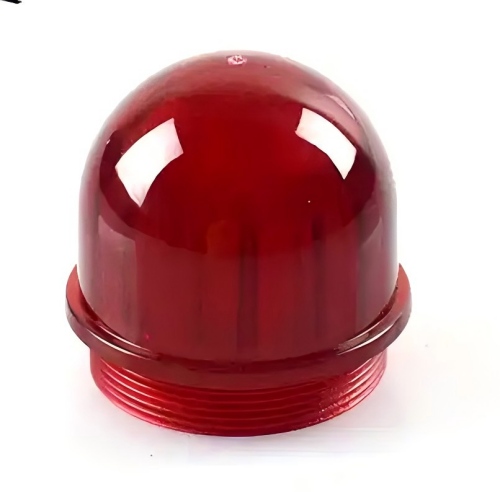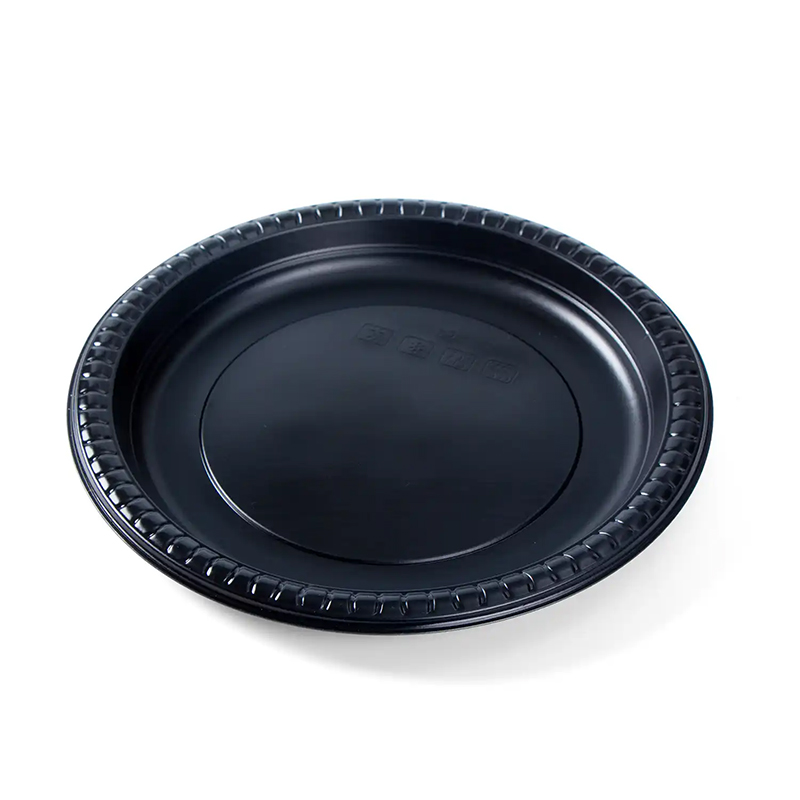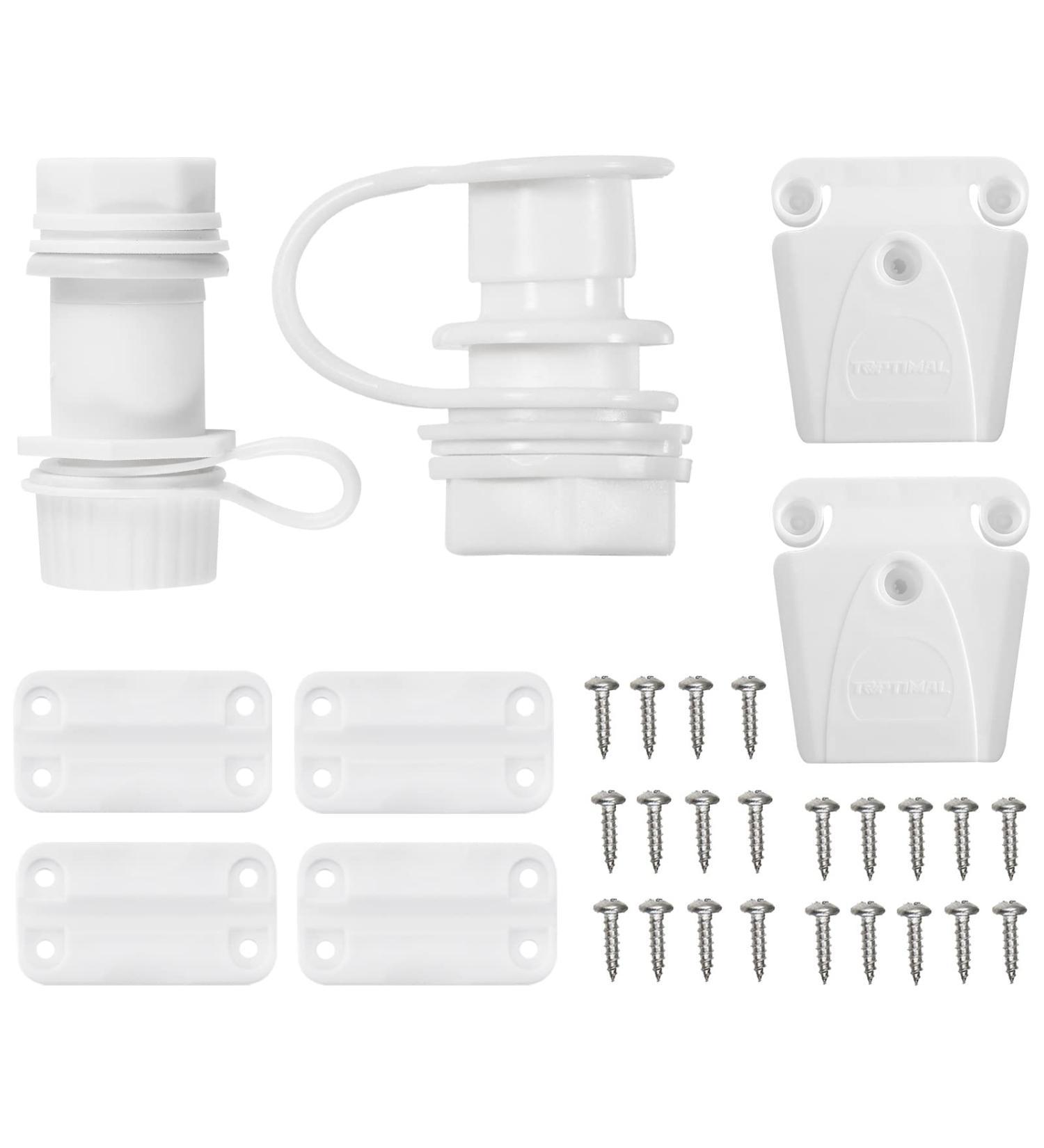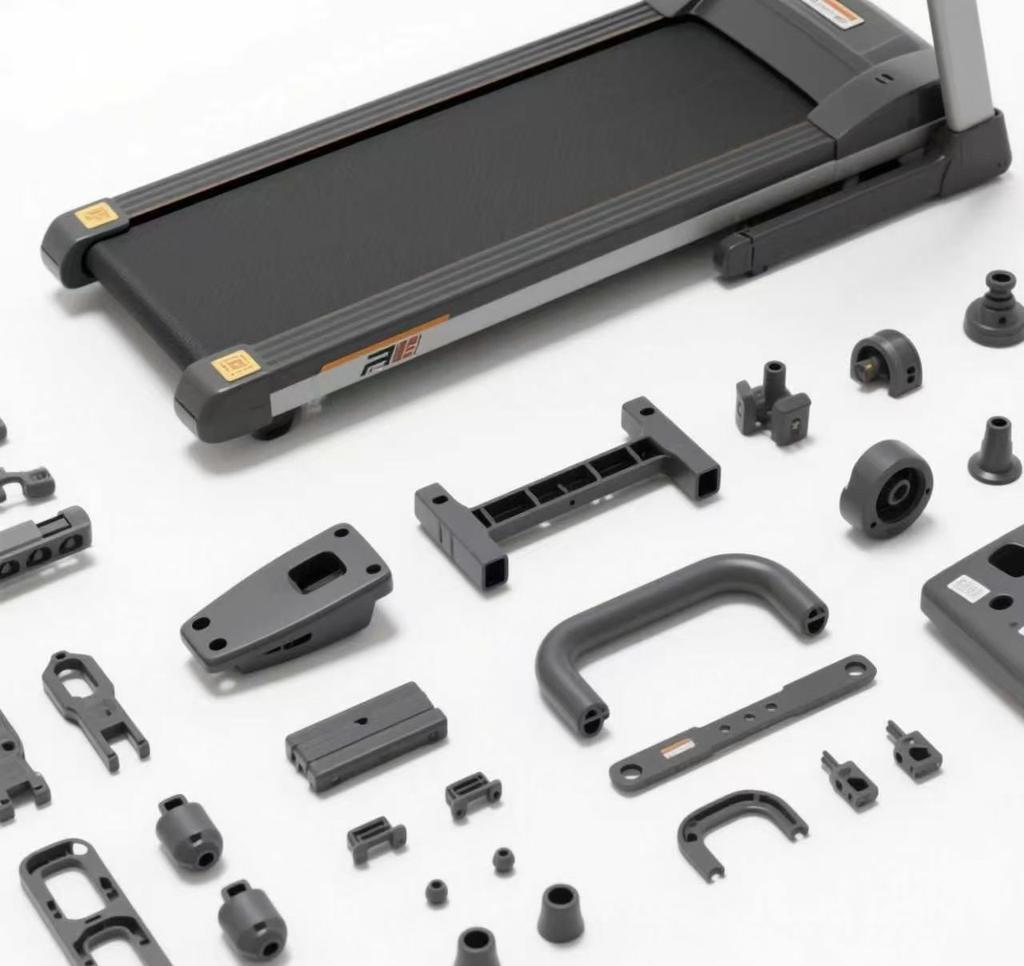

PVC Injection Molding Parts for OEM Plastic Components
Introduction to PVC: The Versatile Polymer
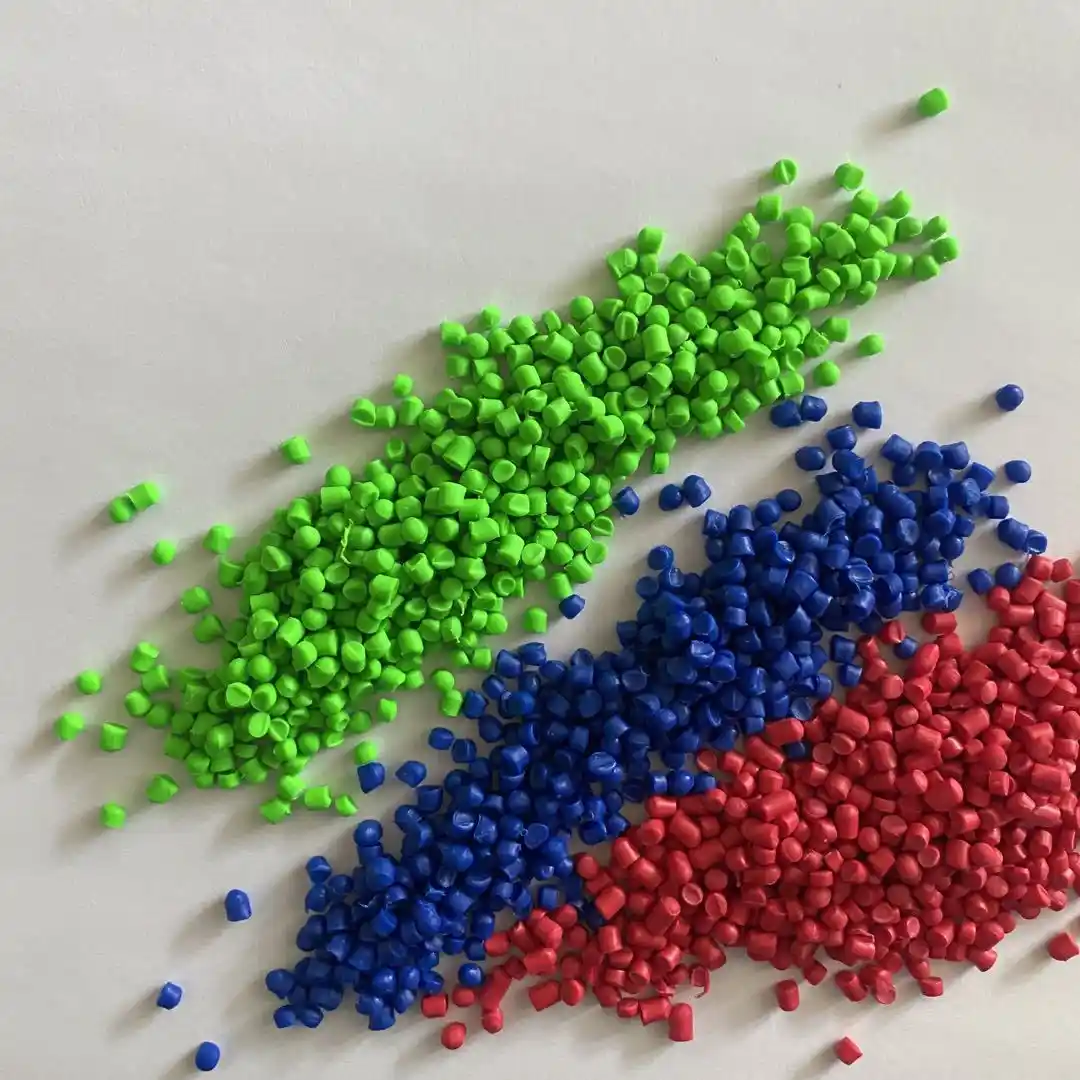
Polyvinyl Chloride (PVC) stands as one of the world's most versatile and widely used polymers, offering an unparalleled range of properties that can be precisely tailored through formulation. Our injection molded PVC components deliver exceptional performance across the rigidity spectrum – from rigid structural components with strength comparable to many engineering plastics to flexible, rubber-like parts with excellent elasticity and durability. This remarkable adaptability, combined with inherent flame retardancy, chemical resistance, and cost-effectiveness, makes PVC indispensable across construction, medical, automotive, and consumer product industries.
Unlike most thermoplastics that offer fixed property sets, PVC's characteristics can be precisely engineered through plasticizer content, stabilizer systems, and additive packages. This allows us to create components that range from crystal-clear medical tubing to impact-resistant building profiles, all from the same polymer family. When your application demands specific combinations of flexibility, chemical resistance, flame retardancy, or weatherability, PVC provides a customizable solution that balances performance with economic viability.
Material Properties and Advantages
Exceptional Formulation Versatility
PVC's most distinctive advantage is its tunable property spectrum. By adjusting plasticizer content from 0% (rigid PVC) to 60%+ (highly flexible PVC), we can engineer materials with hardness ranging from 80 Shore D to 60 Shore A, all while maintaining the base polymer's beneficial characteristics.
Inherent Flame Retardancy
PVC contains 57% chlorine by weight, giving it natural flame-retardant properties without additional halogen additives. It achieves UL94 V-0 rating and exhibits low flame spread, making it essential for building materials, electrical applications, and transportation interiors where fire safety is critical.
Excellent Chemical Resistance
PVC demonstrates outstanding resistance to acids, bases, alcohols, and many oils and fats. This chemical immunity, combined with good barrier properties against gases and liquids, makes it ideal for chemical handling equipment, piping systems, and laboratory applications.
Good Mechanical Properties
Rigid PVC offers tensile strength of 40-60 MPa and flexural modulus of 2.4-4.1 GPa – competitive with many engineering plastics at a lower cost. Flexible PVC maintains good tear strength and elongation (up to 400%) even at high plasticizer levels.
Weather Resistance and Durability
Properly formulated PVC exhibits excellent resistance to UV radiation, oxidation, and environmental aging. With appropriate stabilizer packages, PVC components maintain their properties for decades in outdoor applications, as evidenced by its widespread use in building and construction.
Cost-Effective Performance
PVC offers one of the best performance-to-cost ratios among engineering materials. Its raw materials are economically sourced, and the polymer processes efficiently, making it ideal for both high-volume commodity applications and specialized engineering components.
Manufacturing Process
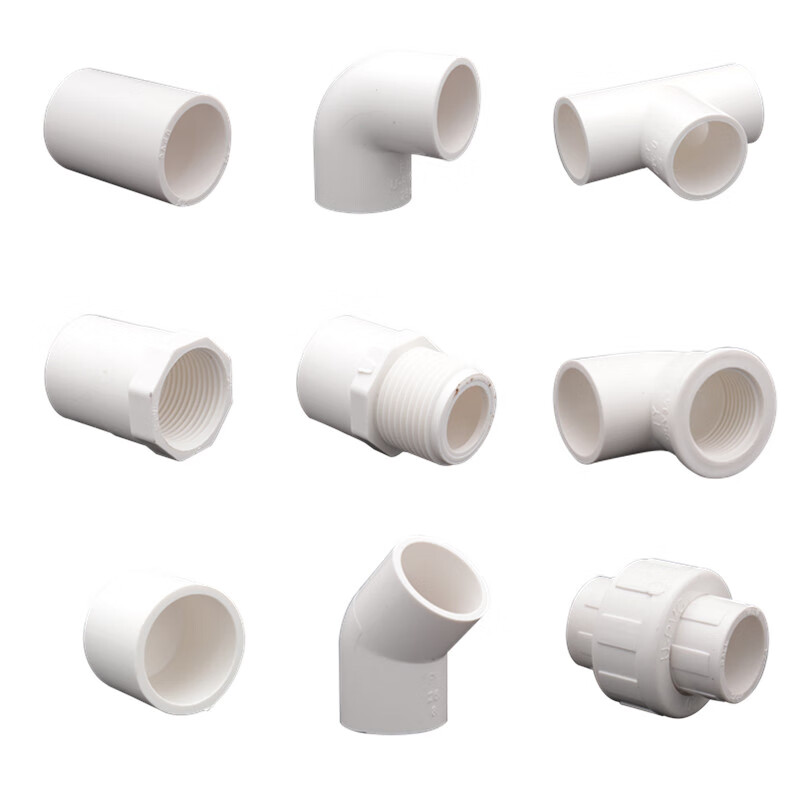
PVC injection molding requires specialized expertise and equipment due to its unique processing characteristics:
Material Preparation: PVC compounds typically arrive ready for processing, but may require drying if exposed to moisture. Our material handling systems are designed to prevent contamination and ensure consistent feed rates.
Corrosion-Resistant Equipment: We utilize injection molding machines with hardened barrels, screws, and check rings specifically designed for PVC processing. These components resist the corrosive effects of hydrochloric acid that can be released during processing.
Precise Temperature Control: PVC processes within a narrow temperature window (170-210°C/338-410°F for rigid grades). Our equipment maintains precise temperature profiles to prevent degradation while ensuring proper flow.
Ventilated Processing Areas: We maintain proper ventilation systems to handle any fumes that may be generated during processing, ensuring worker safety and environmental compliance.
Quality Control: Every production run undergoes comprehensive testing including hardness verification, dimensional inspection, and functional testing specific to the application requirements.
Technical Specifications
Material Grades Available:
Rigid PVC (uPVC):
Unplasticized compounds for maximum strength and stiffness
Impact-modified grades for applications requiring toughness
Clear and transparent formulations
FDA-compliant grades for food contact
UV-stabilized weatherable grades
Flexible PVC:
General purpose flexible compounds (Shore A 60-95)
Medical grade flexible PVC (phthalate-free options)
Wire and cable compounds
Automotive interior grades
Low-temperature flexible formulations
Specialty PVC Compounds:
CPVC (Chlorinated PVC) for higher temperature resistance
Cross-linked PVC for enhanced chemical and heat resistance
Foam PVC for lightweight structural applications
Conductive PVC for ESD applications
Anti-microbial PVC for healthcare applications
Typical Properties:
Rigid PVC:
Density: 1.38-1.45 g/cm³
Tensile Strength: 40-60 MPa
Flexural Modulus: 2.4-4.1 GPa
Impact Strength (Notched Izod): 20-100 J/m
Heat Deflection Temperature: 70-80°C @ 1.8 MPa
Flammability Rating: UL94 V-0 @ 1.5mm
Shrinkage Rate: 0.2-0.6%
Flexible PVC (Shore A 80):
Density: 1.20-1.35 g/cm³ (depending on plasticizer content)
Tensile Strength: 10-25 MPa
Elongation at Break: 200-400%
Tear Strength: 30-50 kN/m
Low Temperature Flexibility: -30°C to -40°C
Shrinkage Rate: 1.5-3.0%
Processing Parameters:
Melt Temperature: 170-210°C (338-410°F) for rigid PVC
Mold Temperature: 20-60°C (68-140°F)
Screw L/D Ratio: 20:1 to 24:1 recommended
Compression Ratio: 2.0:1 to 2.5:1
Design Capabilities and Applications
Design Guidelines:
Wall Thickness: Minimum 0.8mm, typical 1.5-4.0mm for rigid PVC; 0.5mm minimum for flexible PVC
Draft Angles: 1-2° per side for rigid PVC; 2-3° for flexible PVC
Radii: Minimum 0.5mm, 1.0mm recommended at stress concentration points
Undercuts: Possible with flexible PVC; limited with rigid grades
Tolerances: Standard ±0.15%, precision ±0.05% achievable with rigid PVC
Special Design Features:
Living Hinges: Excellent with flexible PVC formulations
Snap-Fits: Good performance with rigid and semi-rigid grades
Sealing Lips and Gaskets: Excellent with flexible PVC
Threaded Components: Good thread formation with rigid PVC
Complex Flow Paths: Achievable with proper gate design
Industry Applications:
Building and Construction:
Window and door profiles
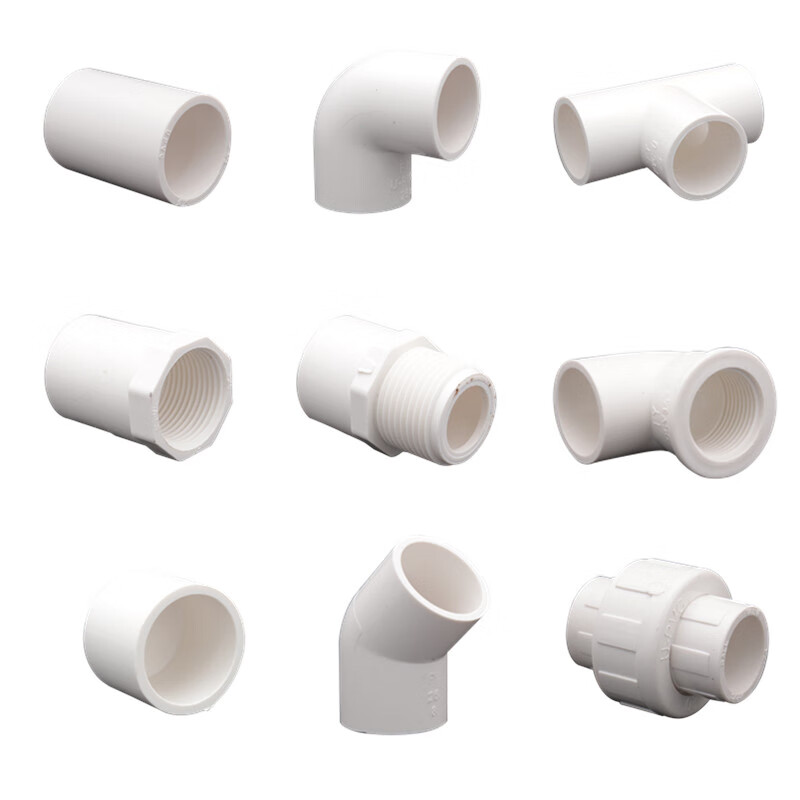
Piping fittings and connectors
Electrical conduit and boxes
Flooring and wall covering components
Roofing and siding accessories
Medical and Healthcare:
IV tubing and fluid delivery components
Medical device housings and handles
Breathing circuit components
Pharmaceutical packaging
Laboratory equipment components
Electrical and Electronics:
Wire and cable insulation
Connector housings and strain reliefs
Electrical outlet and switch boxes
Cable management components
Electronic enclosures
Automotive and Transportation:
Wire harness insulation and grommets
Interior trim and panel components
Sealing profiles and weatherstripping
Under-hood components (heat-resistant grades)
Mass transit interior components
Consumer Products:
Toy components (phthalate-free formulations)
Appliance parts and housings
Sporting goods and recreational equipment
Footwear components
Furniture parts and protective edges
Industrial Applications:
Chemical processing equipment components
Material handling system parts
Fluid handling components and valves
Tank liners and protective covers
Conveyor system components
Quality Assurance and Certifications
Our commitment to quality is demonstrated through comprehensive testing protocols and industry certifications:
ISO 9001:2015 Certified - Quality Management System
ISO 13485:2016 - Medical Devices Quality Management (for medical components)
UL Recognized Components - For electrical applications
NSF/ANSI 51 & 61 - For food equipment and drinking water system components
FDA Compliance - 21 CFR for food contact and medical applications
RoHS, REACH, and Proposition 65 Compliance
Phthalate-Free Formulations - Available for sensitive applications
Material Traceability - Full documentation from compound to finished part
Testing Capabilities:
Physical Testing: Hardness, tensile, flexural, impact, and tear testing
Thermal Analysis: HDT, Vicat, thermal stability, and low-temperature flexibility
Chemical Resistance: Immersion testing in specified chemicals
Electrical Testing: Dielectric strength, volume/surface resistivity
Flammability Testing: UL94, glow wire, and oxygen index testing
Extraction Testing: For medical and food contact compliance
Weathering Testing: QUV and xenon arc exposure testing
Biological Testing: USP Class VI and ISO 10993 for medical grades
Sustainability and Environmental Considerations
PVC's Environmental Profile
While PVC has faced environmental scrutiny, modern production and formulation practices address historical concerns:
Stabilizer Systems: We offer lead-free, heavy-metal-free stabilizer systems including calcium-zinc and organic-based stabilizers.
Plasticizer Options: Phthalate-free plasticizer systems available for sensitive applications including medical devices and children's products.
Energy Efficiency: PVC's relatively low processing temperatures (170-210°C) compared to many engineering plastics results in lower energy consumption during manufacturing.
Durability and Longevity: PVC components often outlast alternatives, reducing replacement frequency and overall environmental impact.
Recycling Initiatives: We participate in PVC recycling programs and offer compounds containing post-industrial recycled content.
Lifecycle Advantages
Long Service Life: Excellent weatherability extends product life in outdoor applications
Low Maintenance: Resistance to corrosion and biological growth reduces maintenance requirements
Lightweight: Reduces transportation energy compared to metal alternatives
Energy Savings: PVC windows and insulation contribute to building energy efficiency
Compliance and Transparency
We provide complete material disclosure documentation and support clients in meeting their sustainability reporting requirements and environmental regulations.
Customization and Value-Added Services
Compound Development
We offer customized PVC formulations with:
Specific hardness requirements (Shore A to Shore D)
Color matching (any Pantone color, including transparent and translucent)
Special stabilizer systems for enhanced heat or UV stability
Plasticizer systems tailored to application requirements
Additive packages for specific performance characteristics
Filled compounds for cost reduction or property enhancement
Secondary Operations:
RF Welding: For flexible PVC assembly
Ultrasonic Welding: For rigid PVC components
Hot Plate Welding: For large or complex rigid PVC parts
Printing and Decorating: Silk screening, pad printing, hot stamping
Precision Cutting: Die cutting, waterjet cutting, CNC routing
Assembly and Testing: Complete turnkey solutions
Packaging: Custom packaging to meet specific requirements
Prototyping and Development Support:
Rapid Prototyping: 3D printing in PVC-like materials for concept validation
Bridge Tooling: Aluminum molds for low-volume production validation
Design for Manufacturability (DFM): Comprehensive analysis and optimization
Material Selection Guidance: Technical consultation for optimal formulation selection
Application Testing: Support for qualification and certification testing
Regulatory Compliance Assistance: Guidance on meeting industry-specific regulations
Why Choose Our PVC Injection Molding Services?
Formulation Expertise: With decades of experience in PVC compounding and processing, we understand how to tailor formulations to meet specific application requirements.
Specialized Equipment: Our facilities feature injection molding machines specifically configured for PVC processing, with corrosion-resistant components and proper ventilation systems.
Regulatory Knowledge: We maintain up-to-date knowledge of global regulations affecting PVC, including restrictions on stabilizers, plasticizers, and other additives.
Quality Commitment: We implement rigorous quality control measures throughout the manufacturing process, from compound verification to finished part inspection.
Technical Partnership: Our engineering team works collaboratively with clients to develop optimal solutions that balance performance, cost, and regulatory compliance.
Supply Chain Reliability: We maintain strategic relationships with leading PVC compound suppliers and implement robust inventory management systems.
Global Compliance: We ensure our materials and processes comply with international regulations while providing localized support and service.
Get Started with Your PVC Project
Contact our PVC specialists today to discuss your specific application requirements, request material samples, or obtain a detailed project quotation. We'll help you determine the optimal PVC formulation for your application and guide you through the design, prototyping, and production process.
Let us help you leverage the exceptional versatility and performance of PVC for your next project. From rigid structural components to flexible seals and everything in between, we have the expertise to deliver high-quality PVC components that meet your exact requirements.
Related Plastic Manufacturing Services
Buyers comparing this project can also review these related Samgo Plastics services for product development mold making and injection molding planning.
What exactly are your OEM services?
Our OEM (Original Equipment Manufacturing) service allows you to bring your unique outdoor gear ideas to life. We handle the entire product development and manufacturing process based on your specifications, designs, and brand requirements. From initial concept and material sourcing to prototyping, production, and quality control, we become your dedicated manufacturing partner. Your brand logo and identity will be applied to the final products.What is your MOQ (Minimum Order Quantity)?
We understand that brands need flexibility, especially when launching new products. Therefore, we offer flexible MOQs, which vary depending on the product complexity, materials required, and customization level. We encourage you to discuss your project with us, and we will do our best to propose a feasible MOQ.Can you help us develop a product from just an idea or a sketch?
Absolutely! We specialize in turning concepts into high-quality, market-ready products. Our product development team will work closely with you to refine your idea, select appropriate materials, create technical drawings, and develop prototypes until your vision is perfectly realized.What are the typical steps in the OEM process with your company?
1.Initial Inquiry & Consultation: You share your concept, target market, and requirements. 2.Quotation & Agreement: We provide a detailed quotation, and once approved, we sign a service agreement. 3.Research & Development (R&D): Our team works on technical designs, material selection, and sample development. 4.Prototyping: We create a physical prototype for your evaluation and feedback. 5. Molds:After design confirming, we will creat mold before production. 5.Sample Approval: You approve the final sample, confirming quality, design, and functionality. 6.Mass Production: Upon your production order confirmation, we begin manufacturing your products. 7.Rigorous Quality Control (QC): We conduct inspections throughout production and a final random inspection before shipment. 8.Shipping & Delivery: We securely pack and arrange shipment to your designated destination.How long does the entire process take from concept to delivery?
The timeline varies significantly based on product complexity and order quantity. A general estimate is: Development & Sampling: 4-8 weeks. Mass Production: 4-6 weeks after sample approval. Please note that this is an estimate, and a precise timeline will be provided with your project quotation.Who owns the intellectual property (IP) and mold/tooling for the custom products?
You retain 100% ownership of your brand identity, designs, and product IP. For any custom molds or tooling created specifically for your project, ownership can be transferred to you upon agreement. We strictly adhere to confidentiality and will never use your designs for other clients.How do you determine the price for an OEM order?
The unit price is determined by several factors, including: Product complexity and design Cost of raw materials Labor and manufacturing processes involved Order quantity Packaging requirements We strive to offer competitive pricing without compromising on quality.What is your quality control process?
Quality is our top priority. Our QC process includes: Incoming Quality Control (IQC): Inspection of all raw materials. In-Process Quality Control (IPQC): Checks during key stages of production. Pre-Shipment Inspection (PSI): A final random inspection of finished products against your approved sample and our quality standards. We can provide detailed QC reports.Can we inspect the products before they are shipped?
Yes. We highly recommend a pre-shipment inspection. You are welcome to send your own QC inspector, or you can hire a third-party inspection company to perform the check at our factory. We can also provide you with photos and videos of the production and final products.How do you handle shipping?
We have extensive experience in shipping outdoor gear globally. We can handle the logistics for you and arrange shipment via sea (for large volumes) or air (for smaller, urgent orders). We work with reliable freight forwarders to ensure a smooth process. Shipping costs will be included in your final quotation.
Related Products