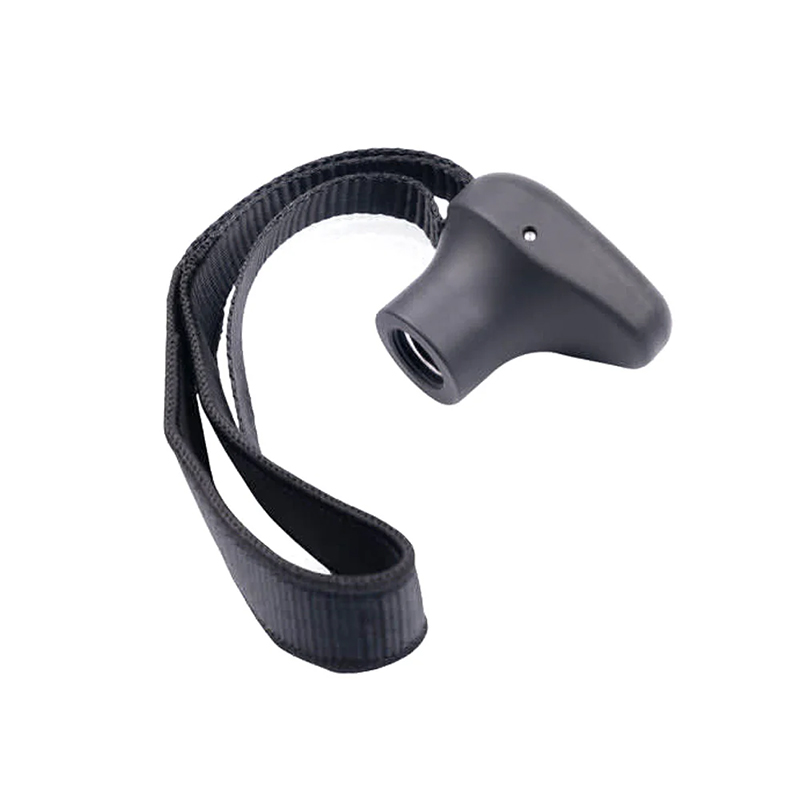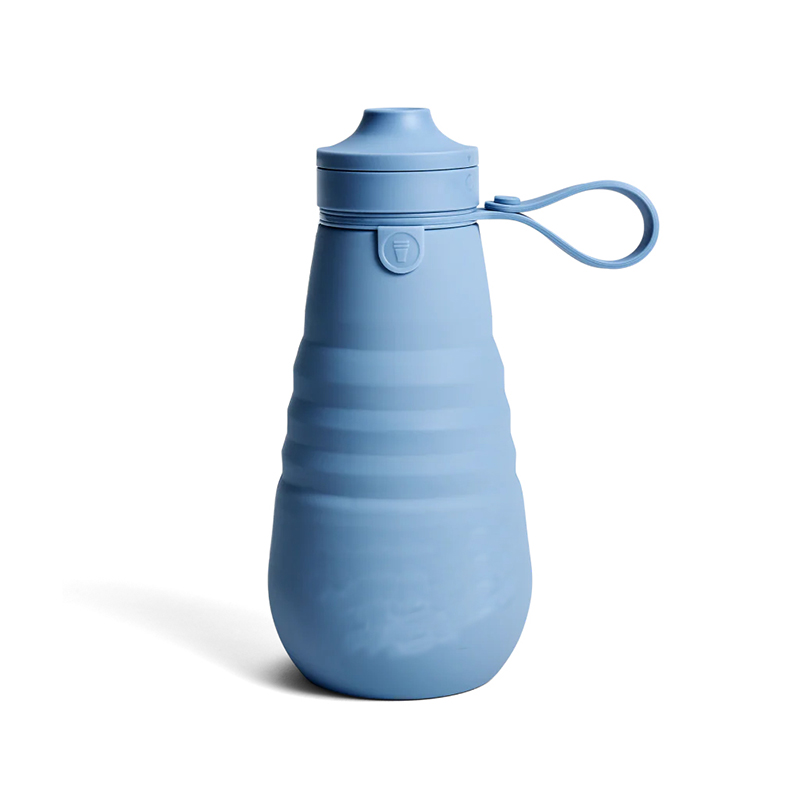
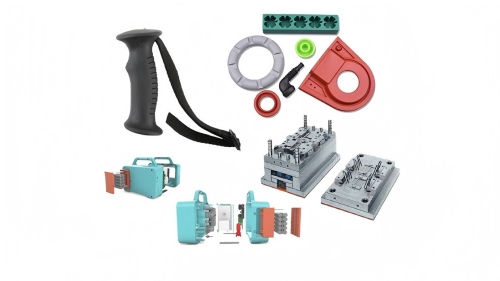
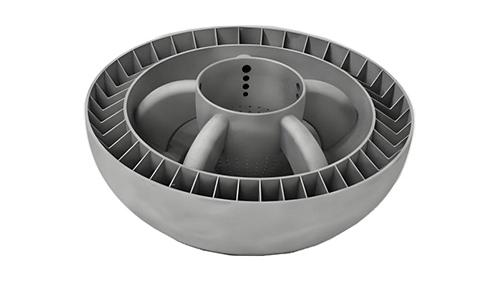

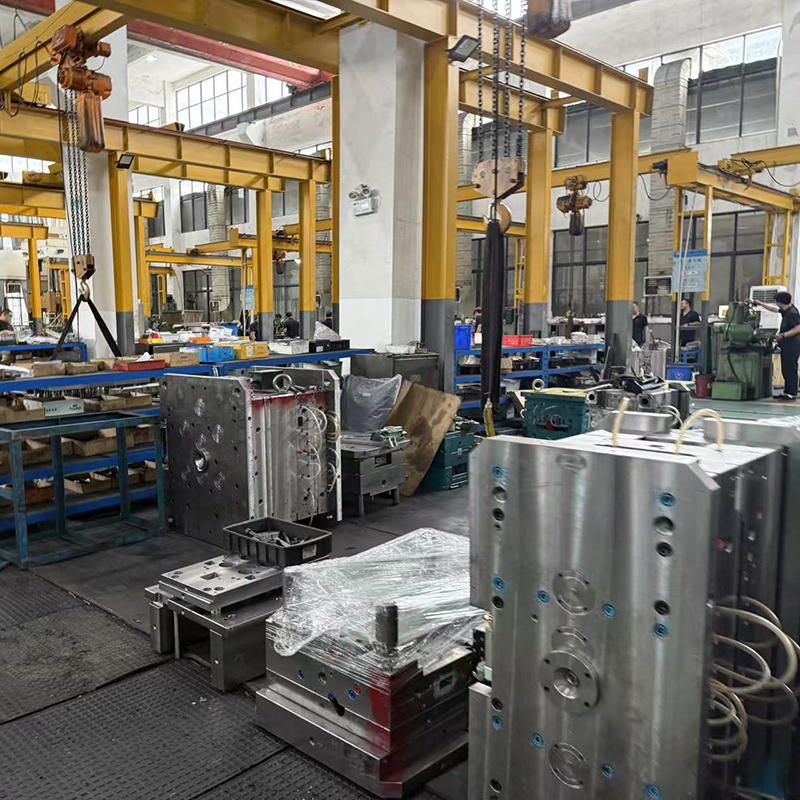
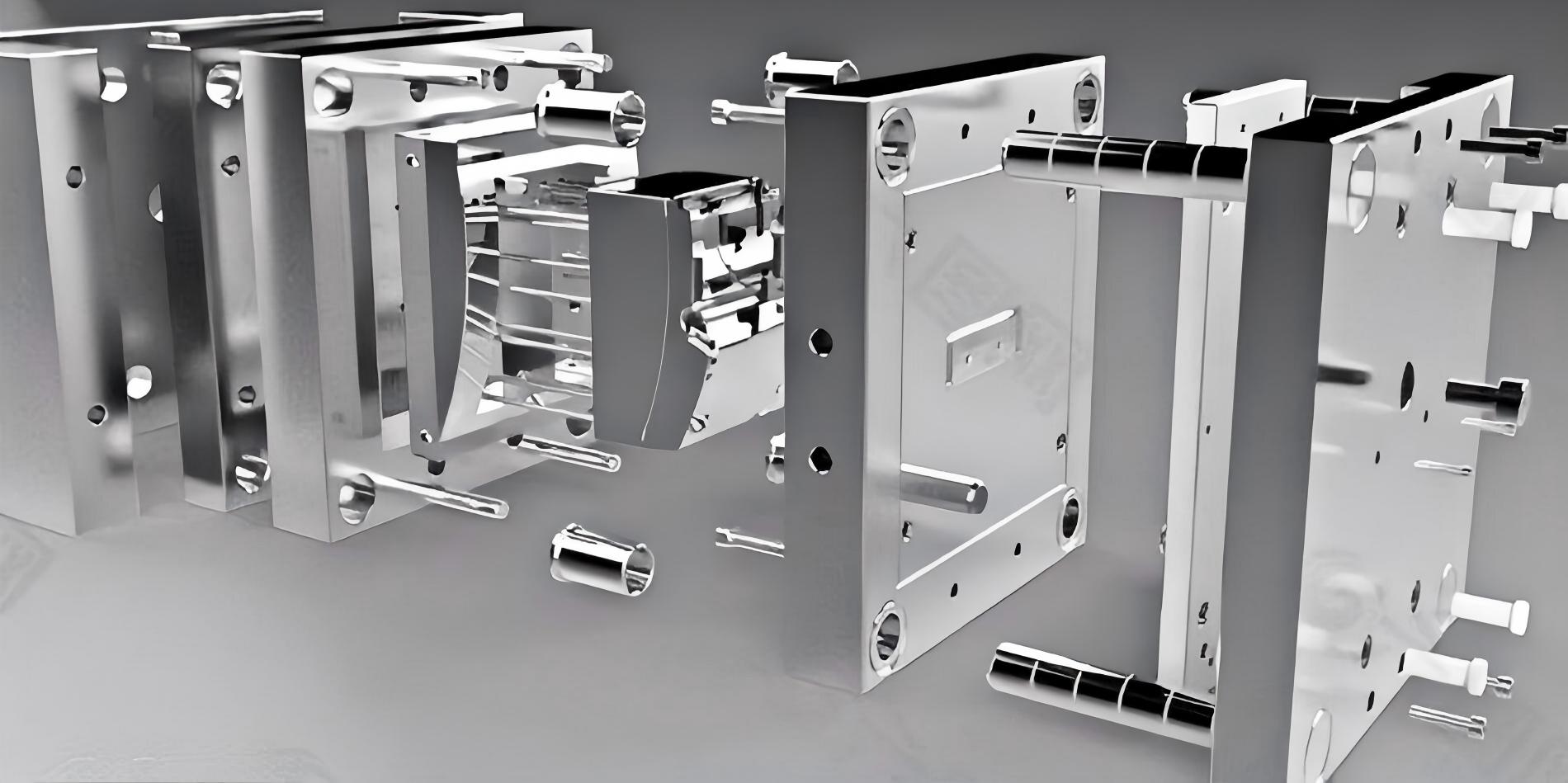
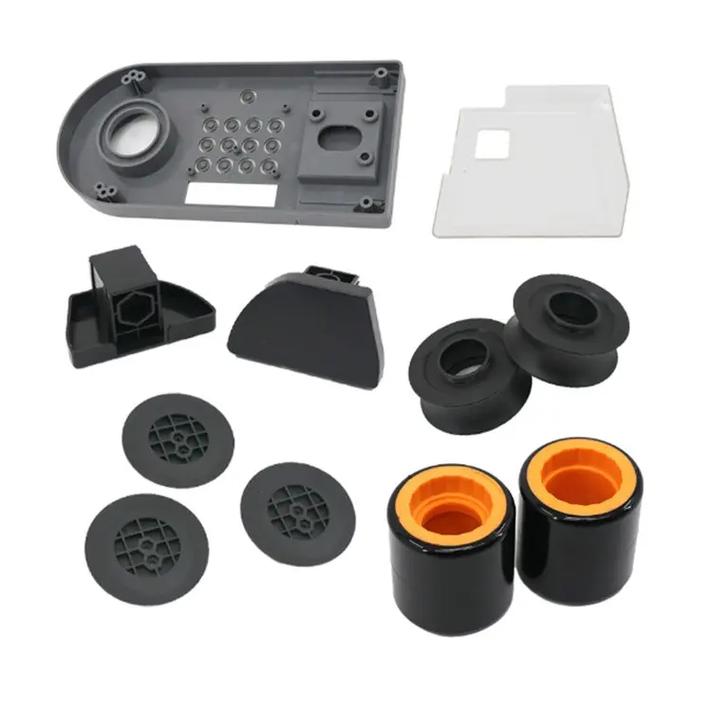
custom PPS Injection Molding Parts
Introduction to PPS: The Premium Thermoplastic
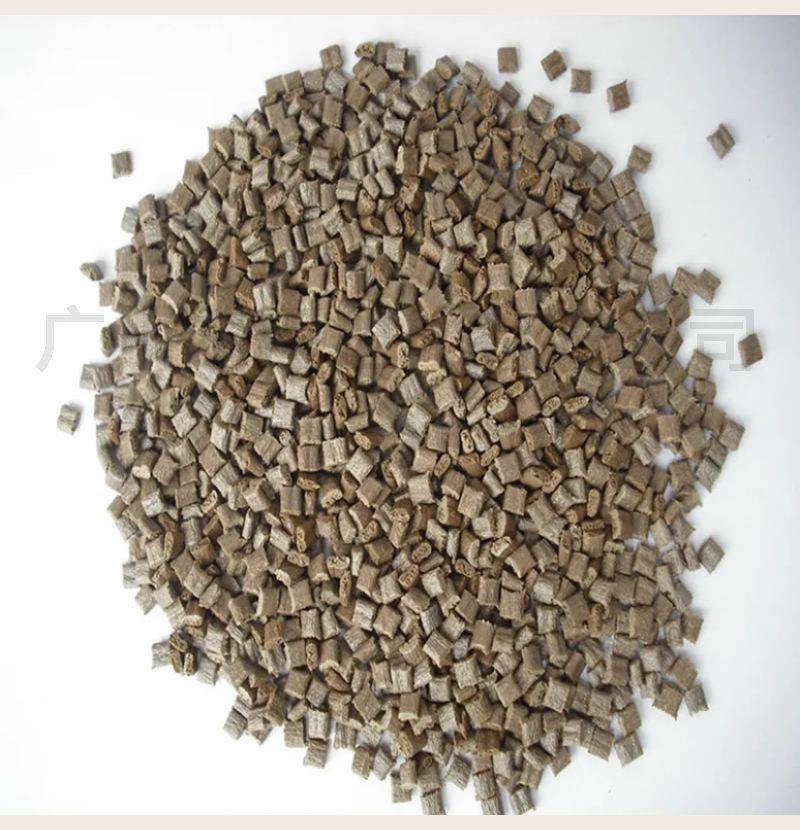
Polyphenylene Sulfide (PPS) represents the pinnacle of high-performance engineering thermoplastics, offering an exceptional combination of thermal stability, chemical resistance, and mechanical properties that surpass most other polymers. Our injection molded PPS components are engineered to operate in the most demanding environments where other materials would fail – from under-hood automotive applications reaching 240°C to chemical processing equipment exposed to aggressive solvents and acids.
As a semi-crystalline polymer with a unique molecular structure featuring aromatic rings linked by sulfur atoms, PPS delivers performance characteristics typically associated with high-temperature metals and ceramics, but with the processing advantages of thermoplastics. This remarkable material maintains its structural integrity and dimensional stability across extreme temperature ranges while offering inherent flame retardancy without halogen additives. When your application demands uncompromising performance under thermal, chemical, and mechanical stress, PPS provides the reliable solution.
Unmatched Material Properties and Advantages
Exceptional Thermal Resistance
PPS stands apart with its extraordinary thermal capabilities, maintaining continuous service temperatures up to 240°C (464°F) with short-term exposure to 260°C (500°F). The material exhibits a high melting point of 285°C (545°F) and a glass transition temperature of 90°C (194°F), ensuring dimensional stability and mechanical performance in high-heat environments where most thermoplastics would soften or degrade.
Superior Chemical Resistance
No other thermoplastic matches PPS's resistance to chemical attack. It withstands exposure to virtually all organic solvents, acids, bases, and fuels without significant degradation. This comprehensive chemical immunity makes PPS ideal for chemical processing equipment, fuel system components, and applications involving aggressive media.
Inherent Flame Retardancy
PPS achieves UL94 V-0 rating (0.8mm thickness) without flame-retardant additives, producing minimal smoke and toxic gas when exposed to flame. This inherent fire safety, combined with high heat resistance, makes PPS essential for aerospace, electrical, and automotive applications with stringent fire regulations.
Outstanding Dimensional Stability
With extremely low moisture absorption (<0.02%) and minimal thermal expansion, PPS maintains precise dimensions across wide temperature and humidity ranges. This stability ensures reliable performance in precision components and tight-tolerance assemblies.
Excellent Mechanical Properties at Elevated Temperatures
Unlike many polymers that lose strength at high temperatures, PPS retains approximately 70% of its room-temperature strength at 200°C (392°F). Glass-filled and mineral-filled grades offer even greater retention of mechanical properties under thermal stress.
Remarkable Wear and Friction Properties
PPS exhibits excellent wear resistance and a low coefficient of friction, particularly when compounded with internal lubricants like PTFE or graphite. This combination makes it ideal for bearing surfaces, seals, and moving components in harsh environments.
Advanced Manufacturing Process
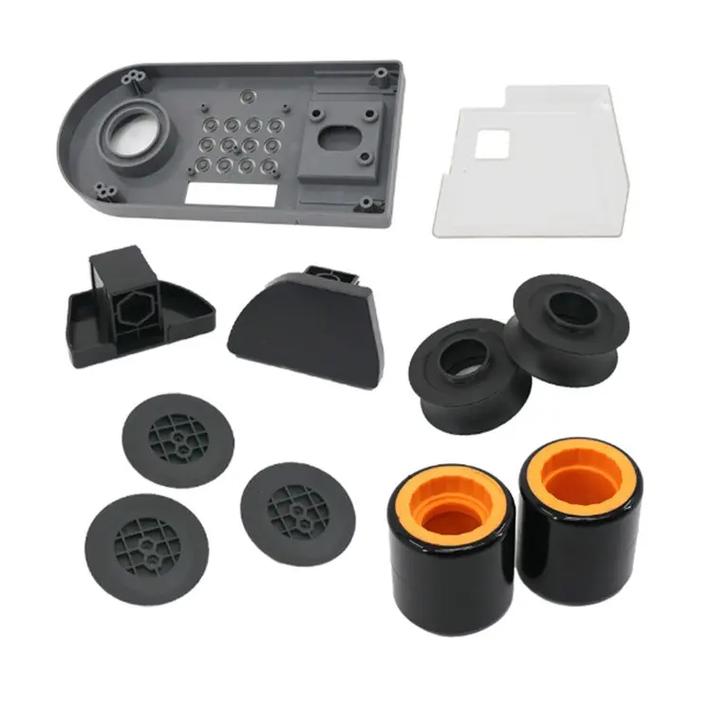
Manufacturing PPS components requires specialized expertise and equipment due to its high processing temperatures and unique characteristics:
Material Preparation: PPS must be thoroughly dried at 150°C (302°F) for 3-4 hours to achieve moisture content below 0.02%. Our dedicated drying systems ensure optimal material conditioning before processing.
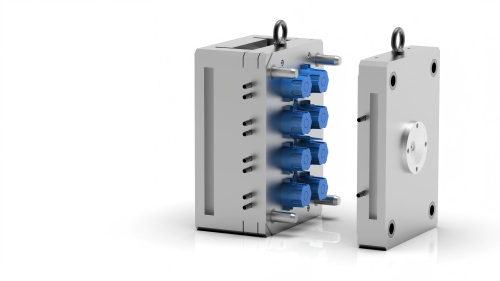
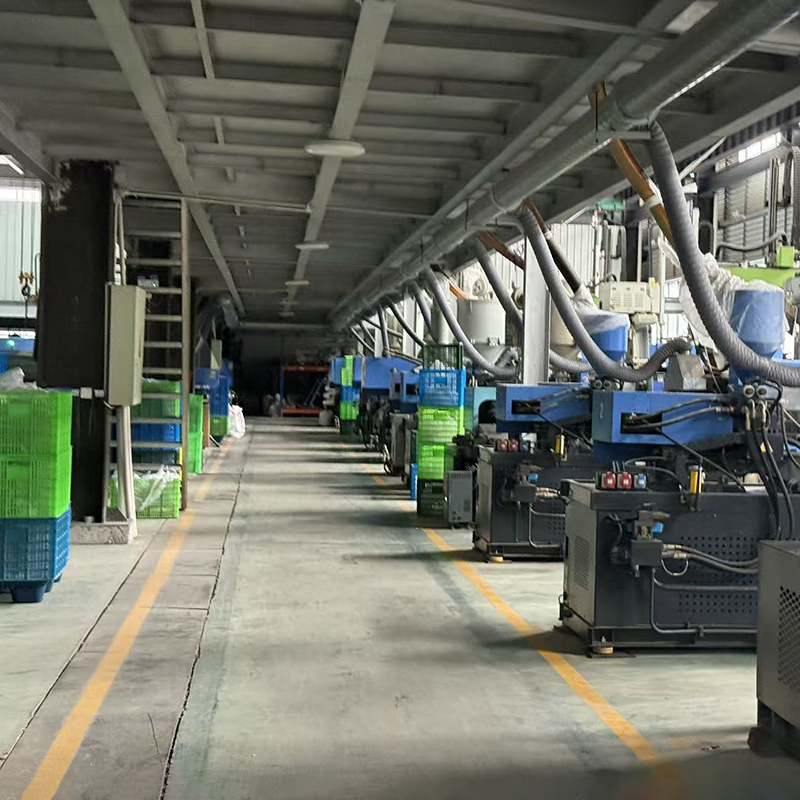
High-Temperature Processing: We utilize injection molding machines specifically designed for high-temperature polymers, capable of maintaining precise barrel temperatures of 300-340°C (572-644°F) and mold temperatures of 130-160°C (266-320°F).
Precision Control: Advanced closed-loop control systems maintain exact temperature, pressure, and speed parameters throughout the molding cycle. Specialized screws with optimized compression ratios ensure proper melting and homogenization of PPS.
Post-Molding Conditioning: For optimal crystallinity and dimensional stability, we employ controlled cooling and annealing processes tailored to each component's geometry and application requirements.
Quality Assurance: Every production batch undergoes comprehensive testing including dimensional verification, mechanical property assessment, thermal analysis, and chemical resistance testing.
Technical Specifications
Material Grades Available:
Unfilled PPS: Maximum purity for chemical resistance applications
40% Glass-Filled PPS: Optimal balance of strength, stiffness, and thermal properties
Glass/Mineral Filled PPS: Enhanced dimensional stability and reduced warpage
Impact-Modified PPS: Improved toughness for demanding applications
Internally Lubricated PPS: With PTFE, graphite, or MoS₂ for wear applications
Electrically Conductive PPS: Carbon-filled grades for ESD and EMI shielding
High-Flow PPS: For thin-walled or complex components
Typical Properties (40% Glass-Filled):
Density: 1.65 g/cm³
Tensile Strength: 135-165 MPa
Flexural Modulus: 12-15 GPa
Impact Strength (Notched Izod): 75-85 J/m
Heat Deflection Temperature: 260°C @ 1.8 MPa
Continuous Use Temperature: 200-240°C
Flammability Rating: UL94 V-0 @ 0.8mm
Dielectric Strength: 17-20 kV/mm
Water Absorption: 0.02% (24 hours)
Shrinkage Characteristics:
Flow direction: 0.2-0.4%
Cross-flow direction: 0.5-0.8%
Unfilled grades: 1.0-1.2%
Design Capabilities and Applications
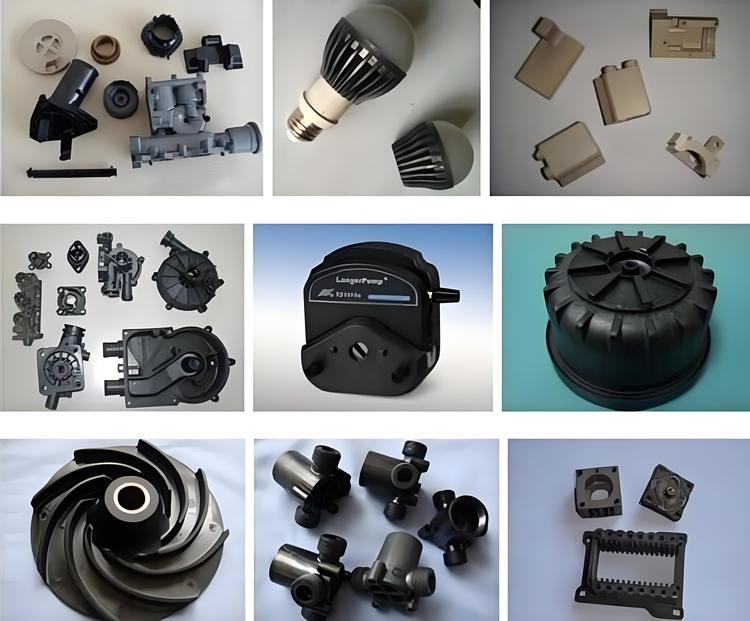
Design Considerations:
Wall Thickness: Minimum 0.8mm, typical 1.5-4.0mm
Draft Angles: Minimum 1° per side, 2° recommended for textured surfaces
Radii: Minimum 0.5mm, 1.0mm recommended at stress concentration points
Undercuts: Possible with collapsible cores, side actions, or post-molding machining
Tolerances: Standard ±0.15%, precision ±0.05% achievable
Design Features:
Thin-Walled Sections: Possible with high-flow grades
Integral Fastening Features: Threads, snap-fits, and press-fit components
Complex Geometries: Achievable with proper gate design and process control
Metal Inserts: Compatible with ultrasonic and thermal insertion
Industry Applications:
Automotive:
Engine management components (sensors, connectors, housings)
Transmission system parts
Exhaust system components
Electrical connectors and ignition components
Turbocharger and EGR system parts
Electrical and Electronics:
Surface-mount technology (SMT) components
Connectors, sockets, and bobbins
Circuit breakers and switch components
Motor parts and brush holders
LED lighting components
Industrial Equipment:
Chemical processing equipment (pumps, valves, seals)
Oil and gas components (downhole tools, valves)
Food processing equipment (conveyor components, guides)
Industrial oven and furnace components
Aerospace and Defense:
Engine components and housings
Electrical connectors and insulation
Interior components meeting fire safety standards
UAV and drone components
Consumer Products:
High-performance appliance components
Commercial kitchen equipment
Professional tool housings
Industrial design components requiring premium aesthetics
Quality Assurance and Certifications
Our commitment to quality is demonstrated through rigorous testing protocols and industry certifications:
ISO 9001:2015 Certified - Quality Management System
IATF 16949:2016 - Automotive Quality Management
AS9100D - Aerospace Quality Management (available upon request)
UL Recognized Components - For electrical applications
FDA Compliance - 21 CFR for food contact applications (specific grades)
RoHS, REACH, and Proposition 65 Compliance
Material Traceability - Full documentation from raw material to finished part
Testing Capabilities:
Dimensional Verification: CMM, optical comparators, laser scanning
Mechanical Testing: Tensile, flexural, impact, fatigue, and creep testing
Thermal Analysis: DSC, TGA, HDT, and CTE measurement
Chemical Resistance: Immersion testing in specified chemicals
Electrical Testing: Dielectric strength, volume/surface resistivity, arc resistance
Flammability Testing: UL94 vertical and horizontal burning tests
Environmental Testing: Thermal cycling, humidity exposure, UV resistance
Each shipment includes comprehensive documentation including:
Material certification
Certificate of compliance
Dimensional inspection report
Process parameter records
Traceability documentation
Sustainability and Environmental Advantages
Energy Efficiency in Operation
While PPS requires higher processing energy than commodity plastics, its exceptional durability and high-temperature performance often result in net energy savings through:
Longer Service Life: Components last significantly longer than alternatives
Reduced Maintenance: Minimal degradation reduces replacement frequency
Weight Reduction: Replacing metals with PPS reduces energy consumption in moving systems
System Simplification: Often eliminates need for additional cooling or thermal protection
Material Efficiency
Precision Molding: Minimal material waste through optimized designs
Regrind Utilization: Controlled use of in-process regrind
Design Optimization: Lightweighting without compromising performance
Environmental Compliance
All our PPS grades comply with international environmental regulations including RoHS, REACH, and Proposition 65. We offer halogen-free flame-retardant options and can provide detailed material disclosure documentation.
Customization and Value-Added Services
Material Compounding and Modification
We offer customized PPS compounds with:
Specific reinforcement levels (glass, mineral, carbon fiber)
Internal lubricants (PTFE, graphite, silicone)
Color matching (limited range due to high processing temperatures)
Conductive additives for ESD/EMI applications
Nucleating agents for controlled crystallization
Secondary Operations:
Precision Machining: CNC milling, turning, drilling, and tapping
Laser Marking: Permanent identification and traceability marking
Ultrasonic Welding: For hermetic seals and assembly
Hot Plate Welding: For large or complex joints
Metal Insert Molding: Ultrasonic and thermal insertion
Surface Treatments: Plasma treatment for improved adhesion
Assembly and Testing: Complete turnkey solutions
Prototyping and Development Support:
Rapid Prototyping: 3D printing in high-temperature materials for form/fit testing
Bridge Tooling: Aluminum molds for low-volume production validation
Design for Manufacturability (DFM): Comprehensive analysis and optimization
Moldflow Analysis: Simulation of filling, packing, and cooling phases
Application Testing: Support for qualification and certification testing
Material Selection Guidance: Technical consultation for optimal grade selection
Why Choose Our PPS Injection Molding Services?
Specialized Expertise: With 15 years of experience in high-performance thermoplastics, we understand the unique challenges of processing PPS and other engineering polymers.
Advanced Technology: Our facilities are equipped with specialized high-temperature injection molding machines, advanced drying systems, and precision tooling designed for PPS processing.
Quality Commitment: We implement rigorous quality control measures throughout the manufacturing process, ensuring consistent, reliable components that meet the highest standards.
Technical Partnership: Our engineering team works collaboratively with clients from concept through production, providing technical expertise and optimization recommendations.
Supply Chain Reliability: We maintain strategic partnerships with leading PPS resin suppliers and implement robust inventory management to ensure material availability and traceability.
Global Standards with Local Support: While maintaining international quality certifications, we provide responsive, personalized service and technical support.
Get Started with Your PPS Project
Contact our high-performance materials specialists to discuss your specific application requirements, request material samples, or obtain a comprehensive project quotation. We'll help you determine if PPS is the right solution for your demanding application and guide you through the design, prototyping, and production process.
Let us help you leverage the exceptional capabilities of PPS for applications where failure is not an option. Transform your most challenging engineering problems into reliable, high-performance solutions with our PPS injection molding expertise.
What exactly are your OEM services?
Our OEM (Original Equipment Manufacturing) service allows you to bring your unique outdoor gear ideas to life. We handle the entire product development and manufacturing process based on your specifications, designs, and brand requirements. From initial concept and material sourcing to prototyping, production, and quality control, we become your dedicated manufacturing partner. Your brand logo and identity will be applied to the final products.What is your MOQ (Minimum Order Quantity)?
We understand that brands need flexibility, especially when launching new products. Therefore, we offer flexible MOQs, which vary depending on the product complexity, materials required, and customization level. We encourage you to discuss your project with us, and we will do our best to propose a feasible MOQ.Can you help us develop a product from just an idea or a sketch?
Absolutely! We specialize in turning concepts into high-quality, market-ready products. Our product development team will work closely with you to refine your idea, select appropriate materials, create technical drawings, and develop prototypes until your vision is perfectly realized.What are the typical steps in the OEM process with your company?
1.Initial Inquiry & Consultation: You share your concept, target market, and requirements. 2.Quotation & Agreement: We provide a detailed quotation, and once approved, we sign a service agreement. 3.Research & Development (R&D): Our team works on technical designs, material selection, and sample development. 4.Prototyping: We create a physical prototype for your evaluation and feedback. 5. Molds:After design confirming, we will creat mold before production. 5.Sample Approval: You approve the final sample, confirming quality, design, and functionality. 6.Mass Production: Upon your production order confirmation, we begin manufacturing your products. 7.Rigorous Quality Control (QC): We conduct inspections throughout production and a final random inspection before shipment. 8.Shipping & Delivery: We securely pack and arrange shipment to your designated destination.How long does the entire process take from concept to delivery?
The timeline varies significantly based on product complexity and order quantity. A general estimate is: Development & Sampling: 4-8 weeks. Mass Production: 4-6 weeks after sample approval. Please note that this is an estimate, and a precise timeline will be provided with your project quotation.Who owns the intellectual property (IP) and mold/tooling for the custom products?
You retain 100% ownership of your brand identity, designs, and product IP. For any custom molds or tooling created specifically for your project, ownership can be transferred to you upon agreement. We strictly adhere to confidentiality and will never use your designs for other clients.How do you determine the price for an OEM order?
The unit price is determined by several factors, including: Product complexity and design Cost of raw materials Labor and manufacturing processes involved Order quantity Packaging requirements We strive to offer competitive pricing without compromising on quality.What is your quality control process?
Quality is our top priority. Our QC process includes: Incoming Quality Control (IQC): Inspection of all raw materials. In-Process Quality Control (IPQC): Checks during key stages of production. Pre-Shipment Inspection (PSI): A final random inspection of finished products against your approved sample and our quality standards. We can provide detailed QC reports.Can we inspect the products before they are shipped?
Yes. We highly recommend a pre-shipment inspection. You are welcome to send your own QC inspector, or you can hire a third-party inspection company to perform the check at our factory. We can also provide you with photos and videos of the production and final products.How do you handle shipping?
We have extensive experience in shipping outdoor gear globally. We can handle the logistics for you and arrange shipment via sea (for large volumes) or air (for smaller, urgent orders). We work with reliable freight forwarders to ensure a smooth process. Shipping costs will be included in your final quotation.
Related Products