
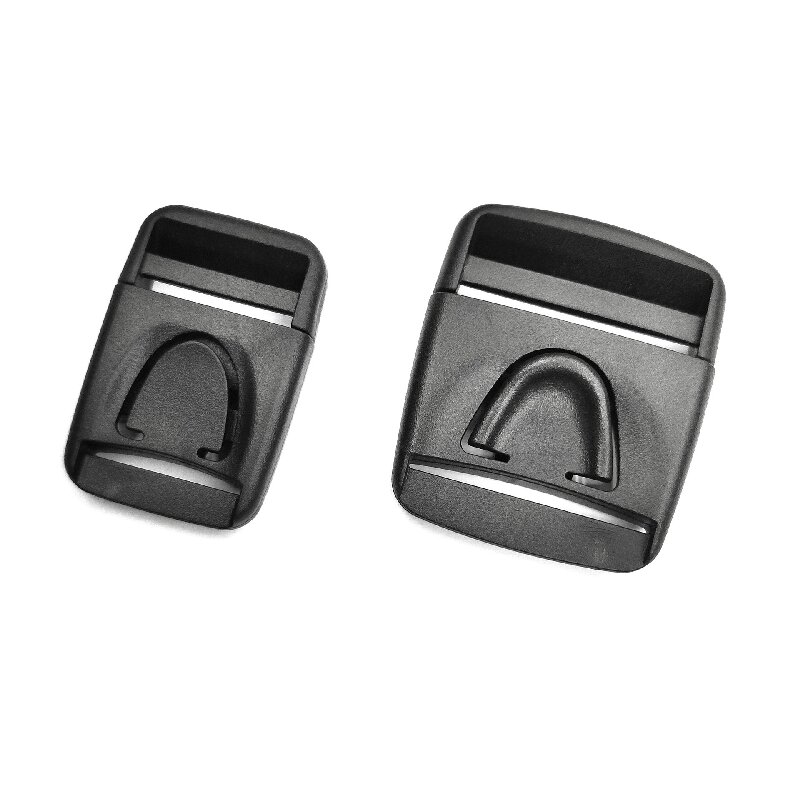
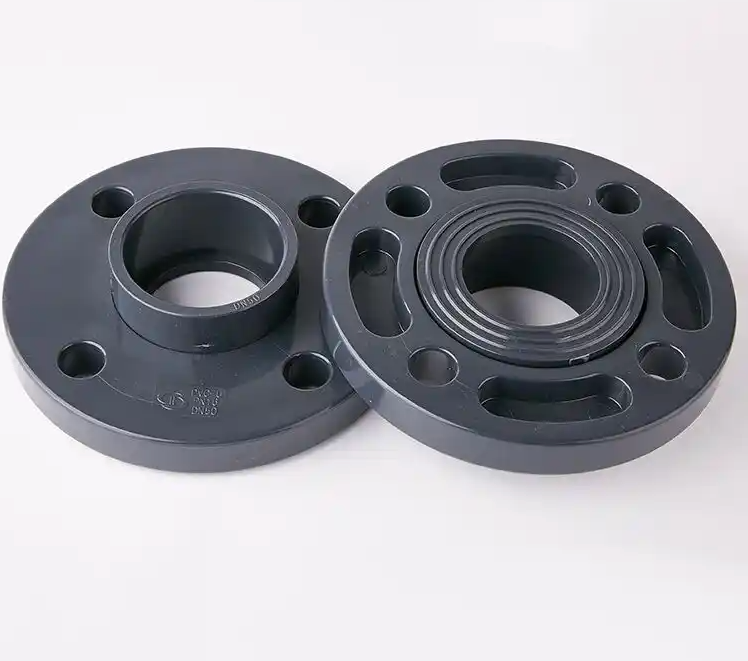
POM Plastic Injection Molding Parts for OEM Projects
Custom Plastic Injection Molding Details
1. Introduction: The Engineering Polymer That Thinks It's Metal
Polyoxymethylene (POM), universally known as acetal or polyacetal, occupies a unique position in the engineering thermoplastics landscape. Since its commercialization by DuPont in the 1960s under the trade name Delrin®, POM has earned its reputation as the go-to material for precision mechanical components that demand metal-like performance with the design freedom and manufacturing efficiency of plastics. This semi-crystalline thermoplastic enables the mass production of gears, bearings, fasteners, and complex mechanical systems that operate reliably under load, friction, and chemical exposure.
POM is characterized by its high crystallinity (typically 60-80%), exceptional dimensional stability, and inherent lubricity. These properties, combined with its fatigue resistance and creep behavior, make it the preferred choice for moving parts in automotive, consumer, industrial, and medical applications. This guide explores the specialized world of POM injection moulding, from its unique crystallization behavior to the precise process control required for manufacturing components that function flawlessly over millions of cycles.
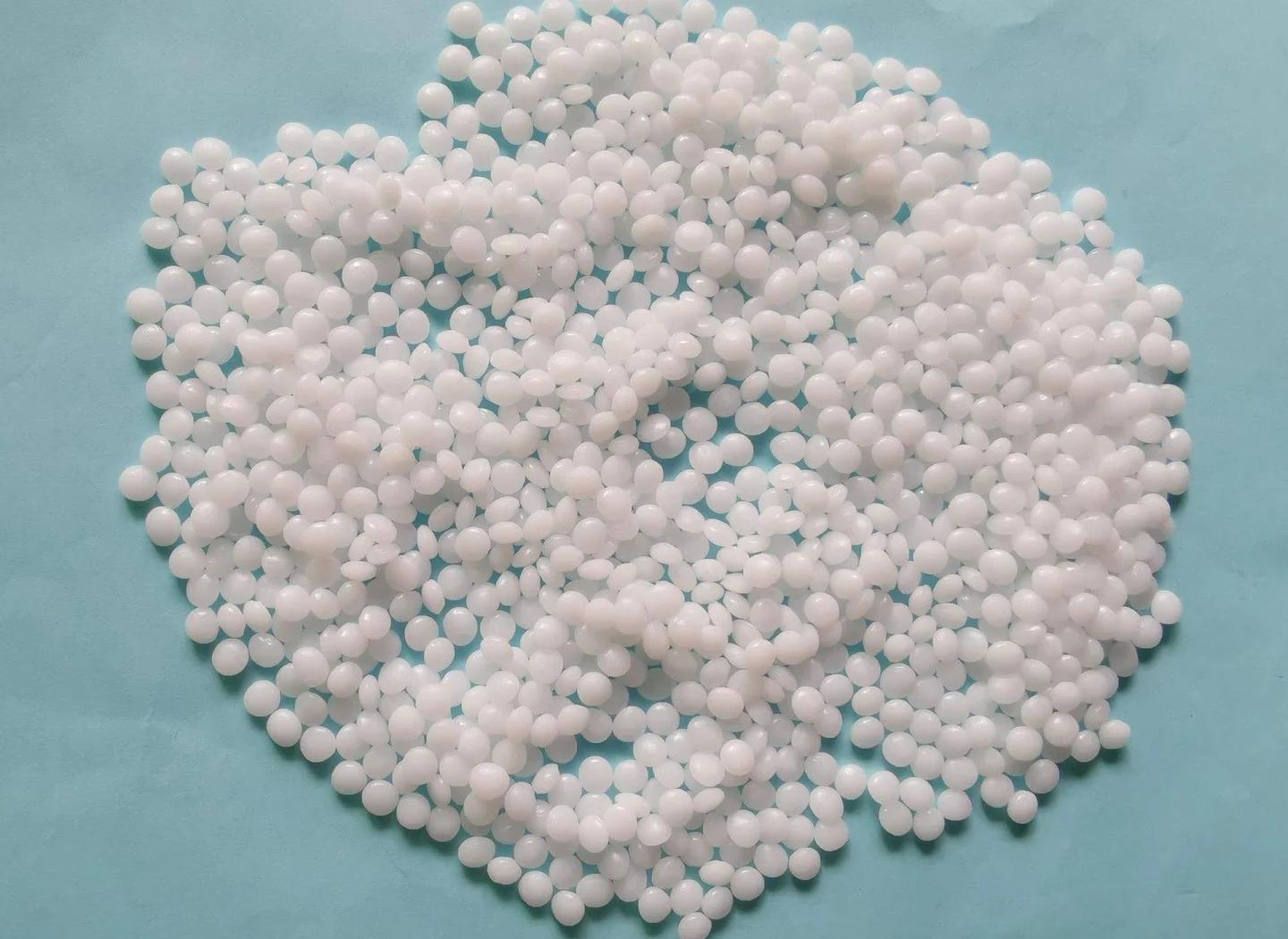
2. Material Science: Understanding POM
POM's exceptional properties derive directly from its molecular structure. The polymer is produced through polymerization of formaldehyde, creating a chain of repeating oxymethylene units (-CH₂-O-). Two primary grades exist commercially:
Homopolymer (POM-H) : Contains 100% oxymethylene units, offering higher crystallinity (up to 80%) and slightly better mechanical properties. It provides superior tensile strength and stiffness but has lower thermal stability.
Copolymer (POM-C) : Contains occasional ethylene units interspersed, providing improved thermal stability and chemical resistance. It offers better processing characteristics and resistance to hydrolysis.
Key Physical Properties:
| Property | Typical Value |
|---|---|
| Density | 1.41-1.42 g/cm³ |
| Tensile Strength | 60-75 MPa |
| Flexural Modulus | 2.5-3.5 GPa |
| Mold Shrinkage | 1.5-2.5% |
| Melting Point | 165-185°C |
| Continuous Service Temp | 90-110°C |
Specialized grades include glass-fiber reinforced (10-30% for enhanced stiffness), impact-modified, lubricated with PTFE or silicone, and conductive grades for antistatic applications.
3. Material Preparation and Machine Requirements
Drying Specifications:
Despite POM's relatively low moisture absorption, proper drying is essential:
Target Moisture: <0.1% (1000 ppm)
Drying Temperature: 80-100°C (176-212°F)
Drying Time: 2-4 hours maximum (over-drying causes degradation)
Critical Warning: Over-drying POM causes polymer chain breakdown, releasing formaldehyde gas. This creates pungent odor, discoloration, brittleness, and can corrode molds.
Machine Configuration:
POM processes well on standard injection molding equipment:
Screw Type: General purpose with gradual compression
L/D Ratio: 18:1 to 22:1
Compression Ratio: 2.0:1 to 3.0:1
Hardened Components: Essential for glass-filled grades (HRC 56-58 recommended)
4. Processing Parameters and Optimization
Temperature Settings:
| Process Zone | POM-H | POM-C |
|---|---|---|
| Rear Barrel | 175-185°C | 160-175°C |
| Middle Zones | 180-200°C | 170-185°C |
| Front Zone | 190-215°C | 180-195°C |
| Nozzle | 190-215°C | 180-195°C |
| Melt Temperature | 190-215°C | 180-200°C |
| Mold Temperature | 80-120°C | 60-100°C |
Critical Processing Principles:
Mold Temperature Impact: POM responds dramatically to mold temperature. Cold molds (50°F/10°C) produce more flexible parts with matte finish, while optimal molds (180°F/82°C) produce rigid, glossy parts with maximum crystallinity. Excessive mold temperature risks warpage.
Classic Troubleshooting Case: A molder experiencing flow lines on POM parts resolved the issue by increasing mold temperature from 140°F (60°C) to 180°F (82°C), demonstrating POM's sensitivity to this parameter.
Injection Parameters:
Injection Speed: Fast to moderate (prevents premature freezing)
Injection Pressure: 600-1200 bar
Holding Pressure: 70-100% of injection pressure (critical for shrinkage control)
Back Pressure: 40 bar typical for homogenization
5. Crystallinity Control: The Key to POM Performance
POM's semi-crystalline nature is both its greatest strength and its greatest processing challenge:
Crystallinity Fundamentals:
Typical Range: 60-80% crystalline
Glass Transition (Tg) : -60°C to -30°C (always in rubbery state at room temperature)
Melting Point: 165-185°C
Factors Affecting Crystallinity:
| Factor | Effect |
|---|---|
| Mold Temperature | Higher temp = higher crystallinity |
| Cooling Rate | Slower cooling = higher crystallinity |
| Nucleating Agents | Increases crystallization rate |
Nucleating Agents: Research has demonstrated significant improvements through nucleation. Inorganic nucleators like talc, boron nitride, and montmorillonite can reduce spherulite size and reduce shrinkage from 3.3% to 2.0% .
Property Consequences: Higher crystallinity increases stiffness, strength, and chemical resistance but may increase brittleness. Lower crystallinity improves toughness but reduces heat resistance.
6. Tooling and Part Design
Gate Design Guidelines:
POM's high shrinkage demands careful gate design:
| Gate Type | Recommendations |
|---|---|
| Edge Gates | Width > part thickness; land length 0.5-1.0mm |
| Pin Gates | 0.8-1.5mm diameter for automatic degating |
| Submarine Gates | Angle 30-45°, land length 0.5-0.8mm |
Wall Thickness Principles:
Optimal Range: 2.0-3.0mm
Uniformity: Critical (maximum 25% variation)
Minimum Thickness: 0.5mm achievable in micro-molding
Rib Design: 40-60% of adjacent wall thickness
Draft Angles:
Standard Parts: 1-2° per side
Deep Cores: Additional 0.5-1° per 25mm depth
Textured Surfaces: Add 1° per 0.025mm texture depth
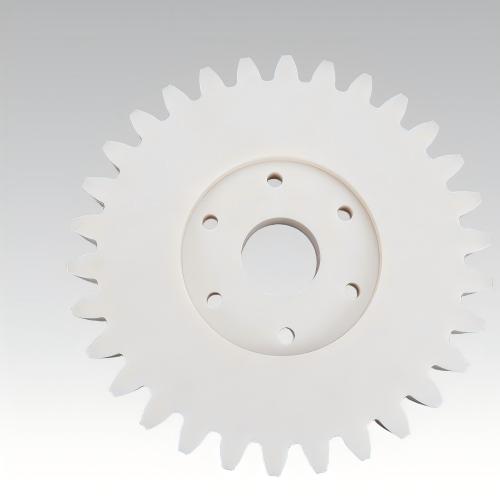
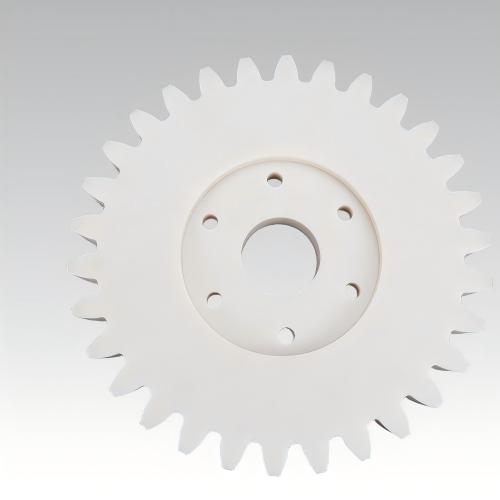
(Image: Technical drawing of precision gear with design optimization callouts)
7. Quality Control and Applications
Quality Testing:
DSC Analysis: For crystallinity percentage verification
Melt Flow Rate: For molecular weight consistency
Dimensional CMM: For precision part validation
Mechanical Testing: Tensile, flexural, and impact properties
Key Applications:
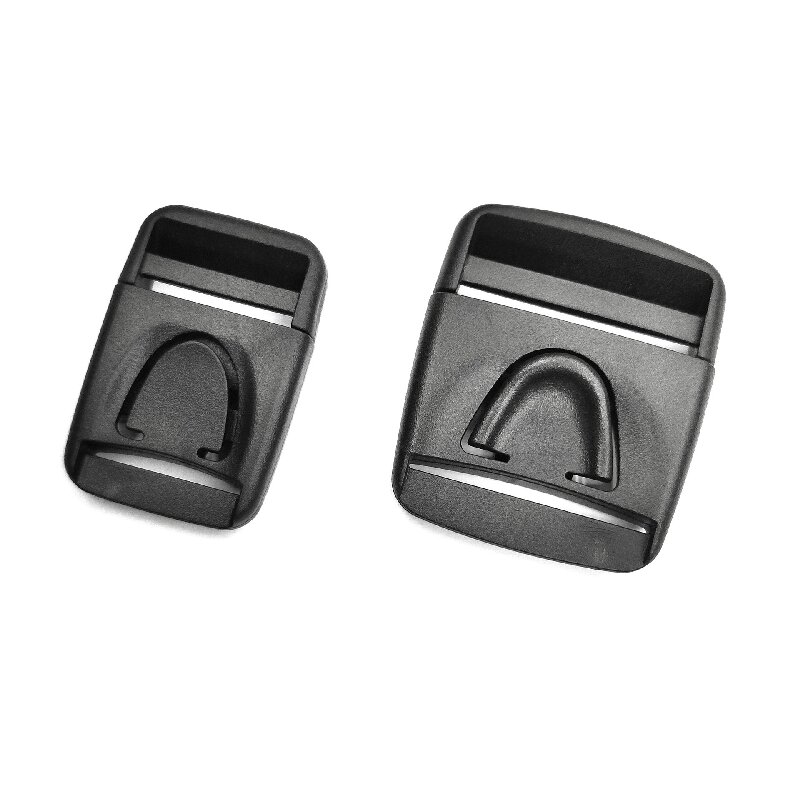
Automotive: Fuel system components, seat belt mechanisms, window regulator gears, door lock systems. Benefits include fuel resistance, dimensional stability, and long-term durability.
Industrial: Conveyor chain links, pump impellers, valve components, bearing cages. POM's wear resistance and self-lubrication eliminate maintenance.
Consumer: Zippers, appliance gears, writing instrument mechanisms, sporting goods. Low friction and durability enhance user experience.
Medical: Drug delivery devices, surgical instrument handles, inhaler components. Precision and chemical resistance meet regulatory requirements.
8. Conclusion
POM injection moulding enables the production of precision mechanical components that outperform metals in weight, cost, and design flexibility. Success requires understanding crystallinity control, precise process management, and thoughtful part design. With its outstanding mechanical performance, natural lubricity, and dimensional stability, POM remains the material of choice for applications demanding reliability over millions of cycles.
Related Plastic Manufacturing Services
Buyers comparing this project can also review these related Samgo Plastics services for product development mold making and injection molding planning.
What exactly are your OEM services?
Our OEM (Original Equipment Manufacturing) service allows you to bring your unique outdoor gear ideas to life. We handle the entire product development and manufacturing process based on your specifications, designs, and brand requirements. From initial concept and material sourcing to prototyping, production, and quality control, we become your dedicated manufacturing partner. Your brand logo and identity will be applied to the final products.What is your MOQ (Minimum Order Quantity)?
We understand that brands need flexibility, especially when launching new products. Therefore, we offer flexible MOQs, which vary depending on the product complexity, materials required, and customization level. We encourage you to discuss your project with us, and we will do our best to propose a feasible MOQ.Can you help us develop a product from just an idea or a sketch?
Absolutely! We specialize in turning concepts into high-quality, market-ready products. Our product development team will work closely with you to refine your idea, select appropriate materials, create technical drawings, and develop prototypes until your vision is perfectly realized.What are the typical steps in the OEM process with your company?
1.Initial Inquiry & Consultation: You share your concept, target market, and requirements. 2.Quotation & Agreement: We provide a detailed quotation, and once approved, we sign a service agreement. 3.Research & Development (R&D): Our team works on technical designs, material selection, and sample development. 4.Prototyping: We create a physical prototype for your evaluation and feedback. 5. Molds:After design confirming, we will creat mold before production. 5.Sample Approval: You approve the final sample, confirming quality, design, and functionality. 6.Mass Production: Upon your production order confirmation, we begin manufacturing your products. 7.Rigorous Quality Control (QC): We conduct inspections throughout production and a final random inspection before shipment. 8.Shipping & Delivery: We securely pack and arrange shipment to your designated destination.How long does the entire process take from concept to delivery?
The timeline varies significantly based on product complexity and order quantity. A general estimate is: Development & Sampling: 4-8 weeks. Mass Production: 4-6 weeks after sample approval. Please note that this is an estimate, and a precise timeline will be provided with your project quotation.Who owns the intellectual property (IP) and mold/tooling for the custom products?
You retain 100% ownership of your brand identity, designs, and product IP. For any custom molds or tooling created specifically for your project, ownership can be transferred to you upon agreement. We strictly adhere to confidentiality and will never use your designs for other clients.How do you determine the price for an OEM order?
The unit price is determined by several factors, including: Product complexity and design Cost of raw materials Labor and manufacturing processes involved Order quantity Packaging requirements We strive to offer competitive pricing without compromising on quality.What is your quality control process?
Quality is our top priority. Our QC process includes: Incoming Quality Control (IQC): Inspection of all raw materials. In-Process Quality Control (IPQC): Checks during key stages of production. Pre-Shipment Inspection (PSI): A final random inspection of finished products against your approved sample and our quality standards. We can provide detailed QC reports.Can we inspect the products before they are shipped?
Yes. We highly recommend a pre-shipment inspection. You are welcome to send your own QC inspector, or you can hire a third-party inspection company to perform the check at our factory. We can also provide you with photos and videos of the production and final products.How do you handle shipping?
We have extensive experience in shipping outdoor gear globally. We can handle the logistics for you and arrange shipment via sea (for large volumes) or air (for smaller, urgent orders). We work with reliable freight forwarders to ensure a smooth process. Shipping costs will be included in your final quotation.
Related Products