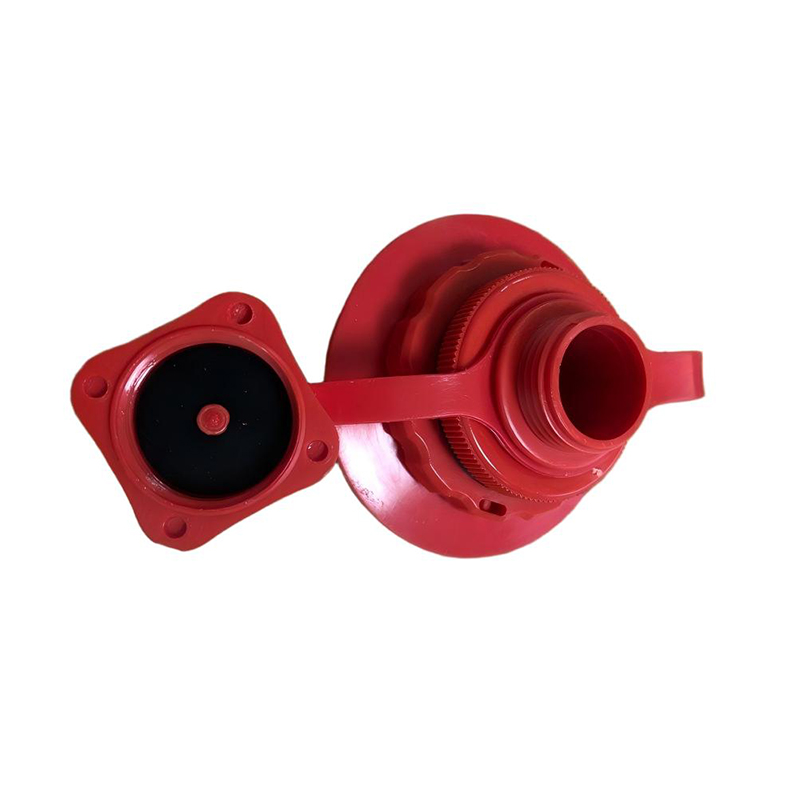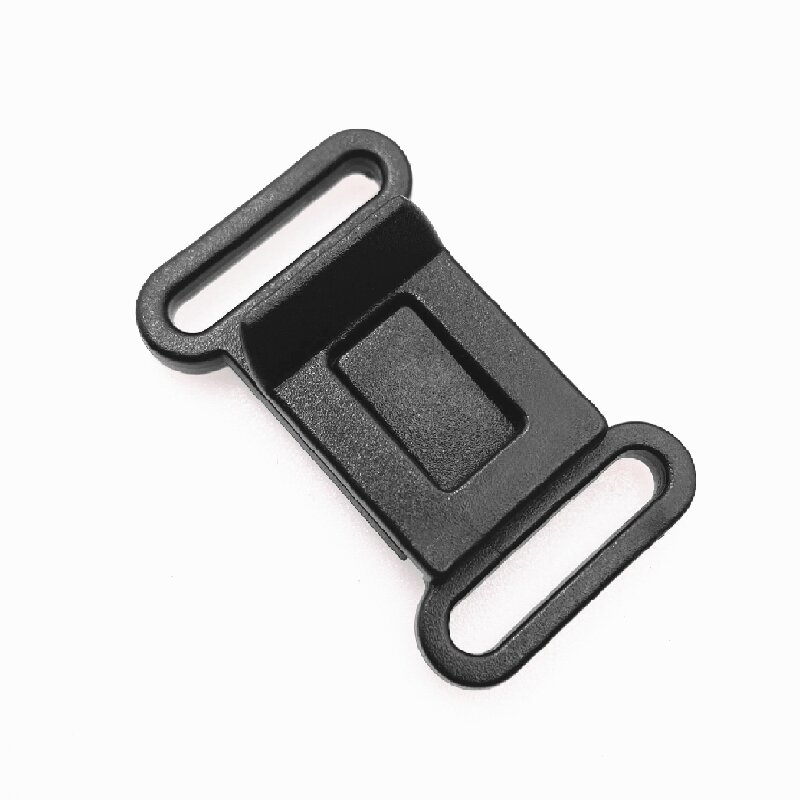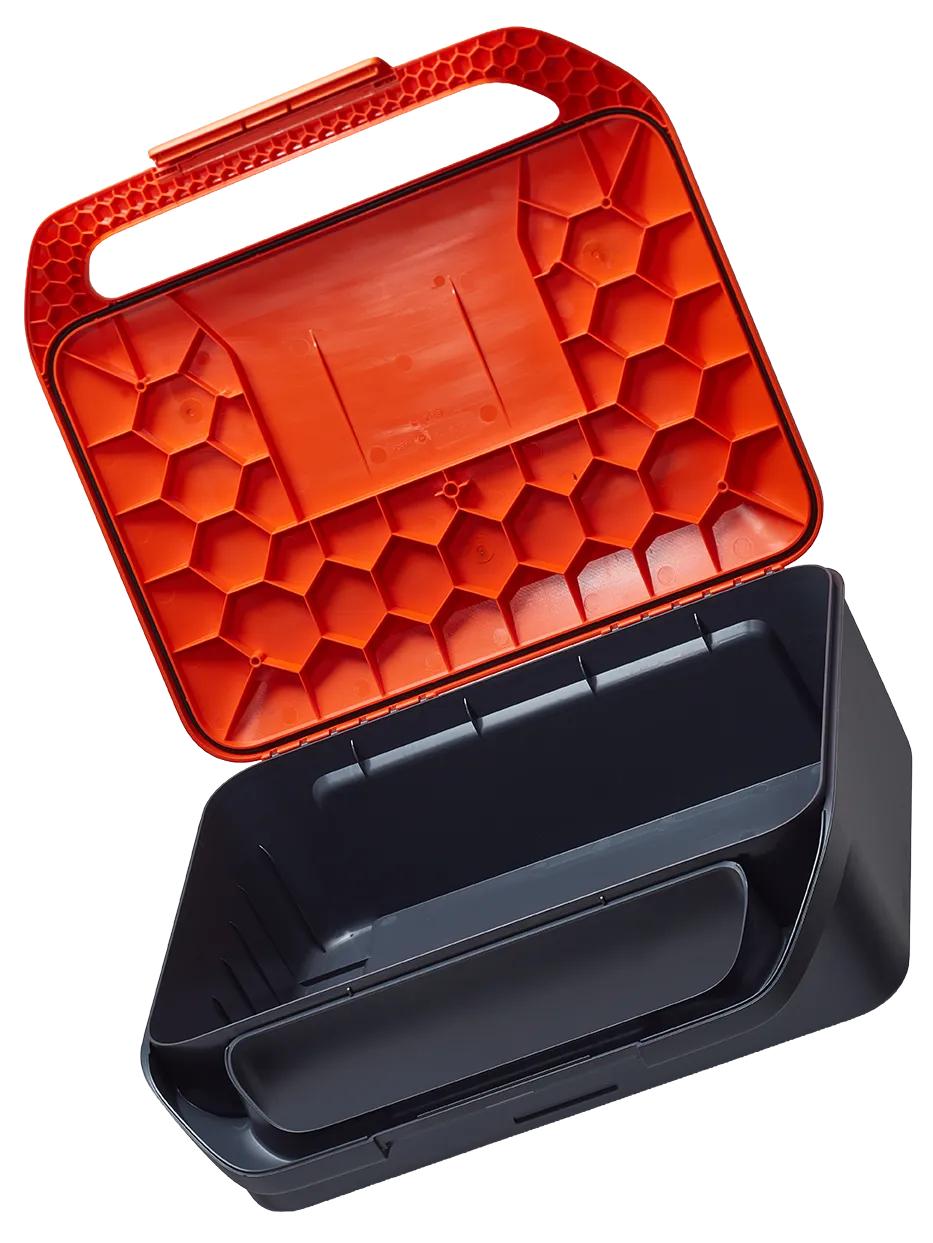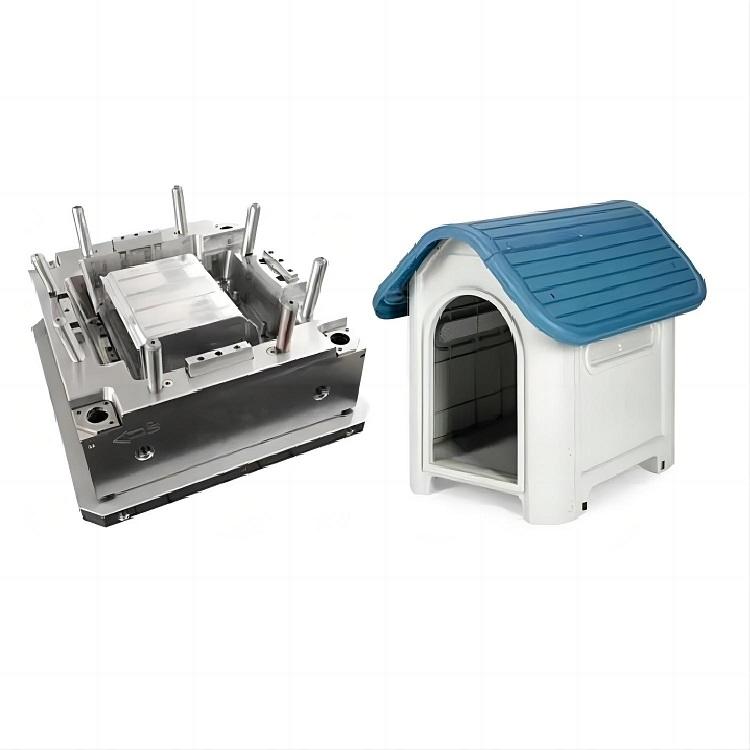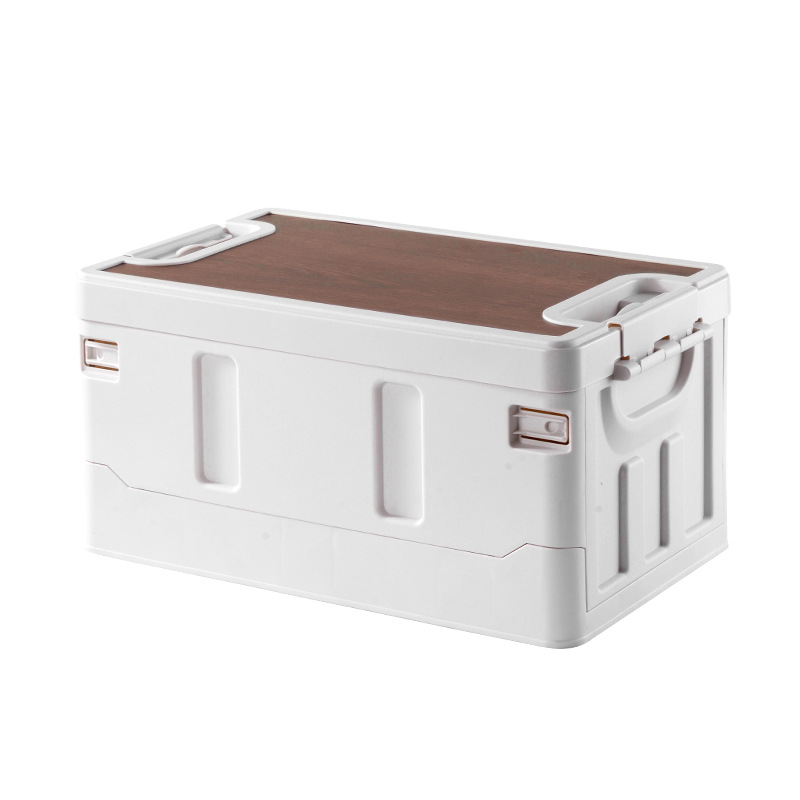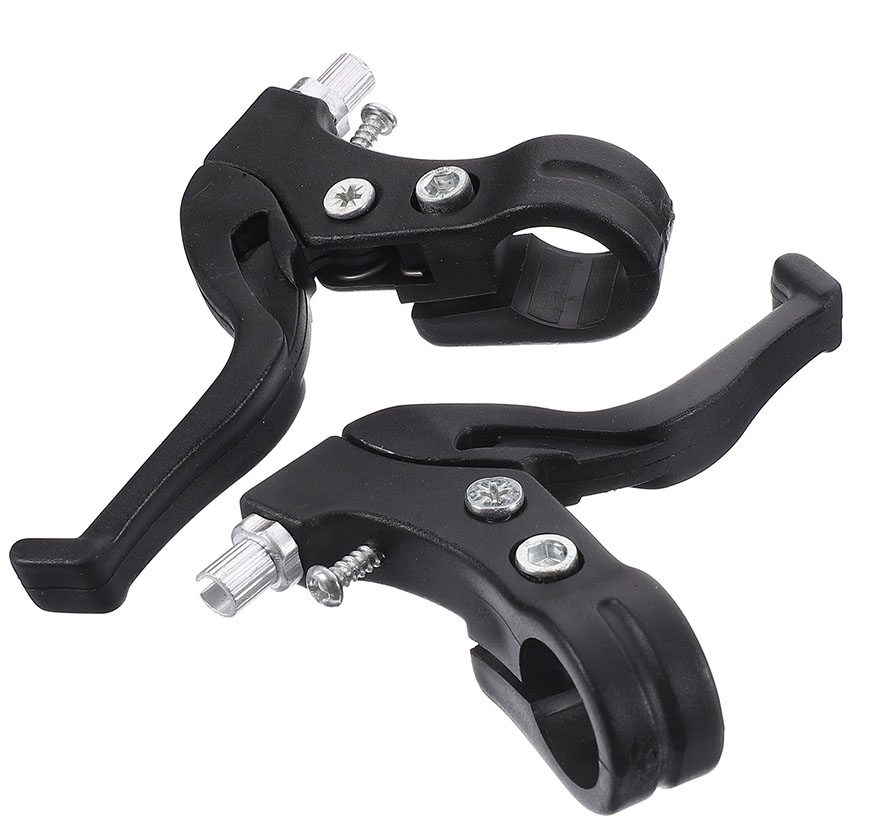
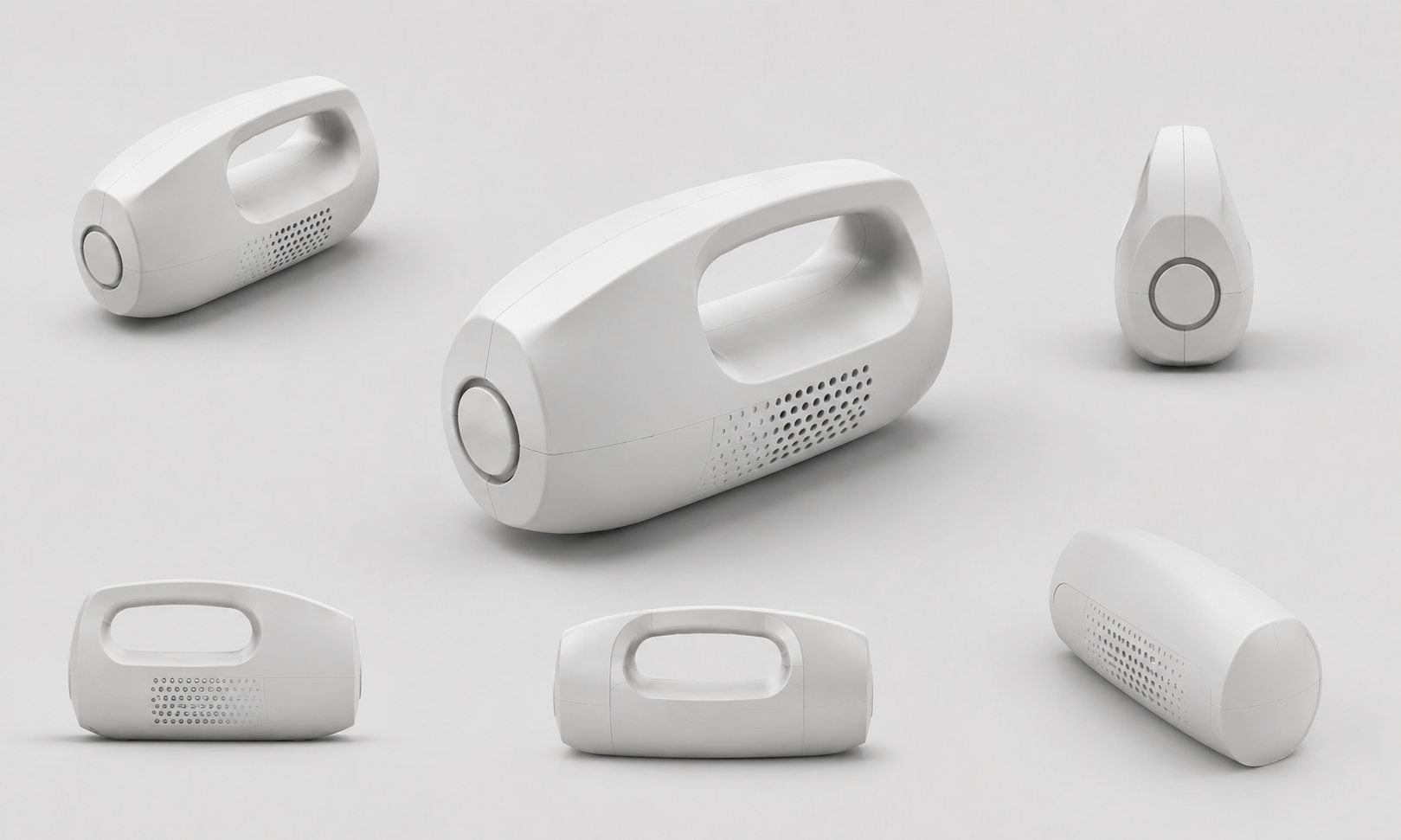
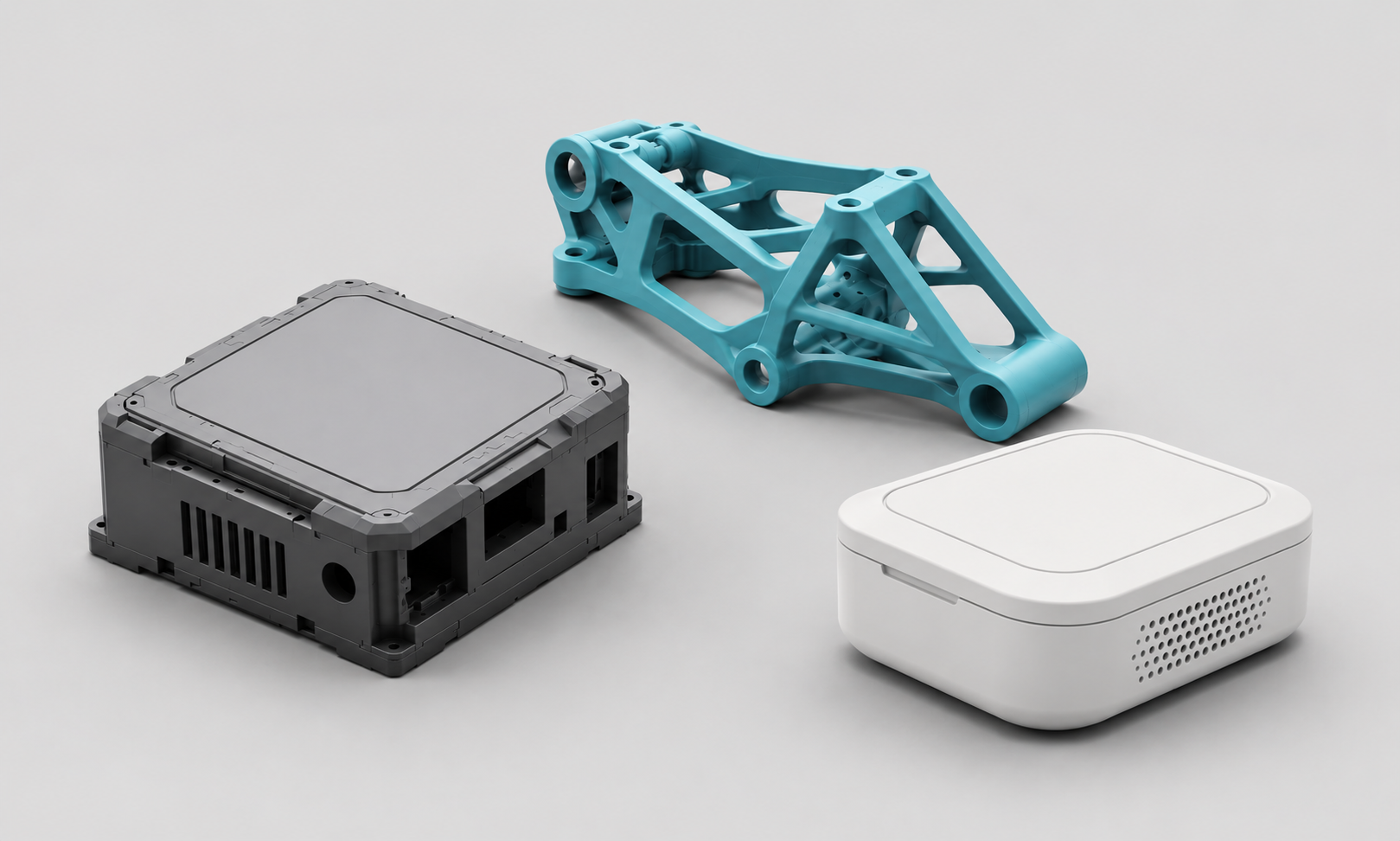

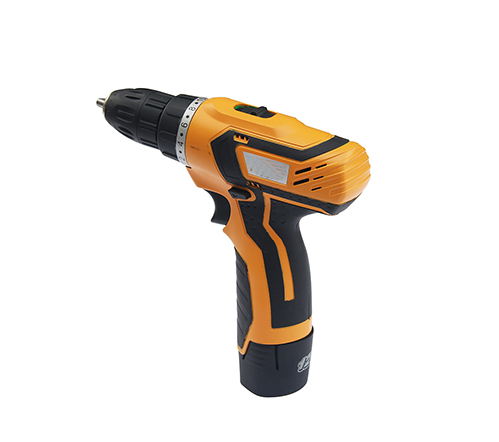
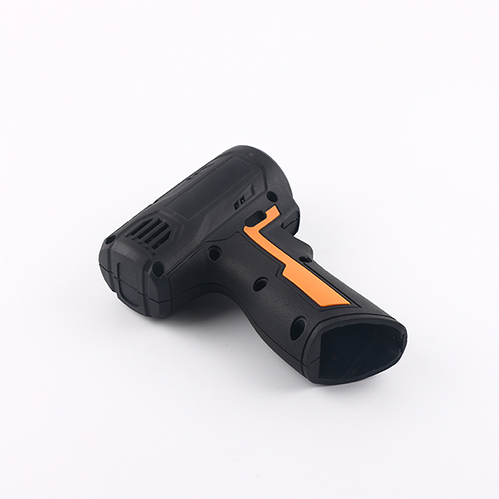
TPU TPE Overmolding Parts for Custom Plastic Components
Introduction to Soft-Touch Overmolding Technology
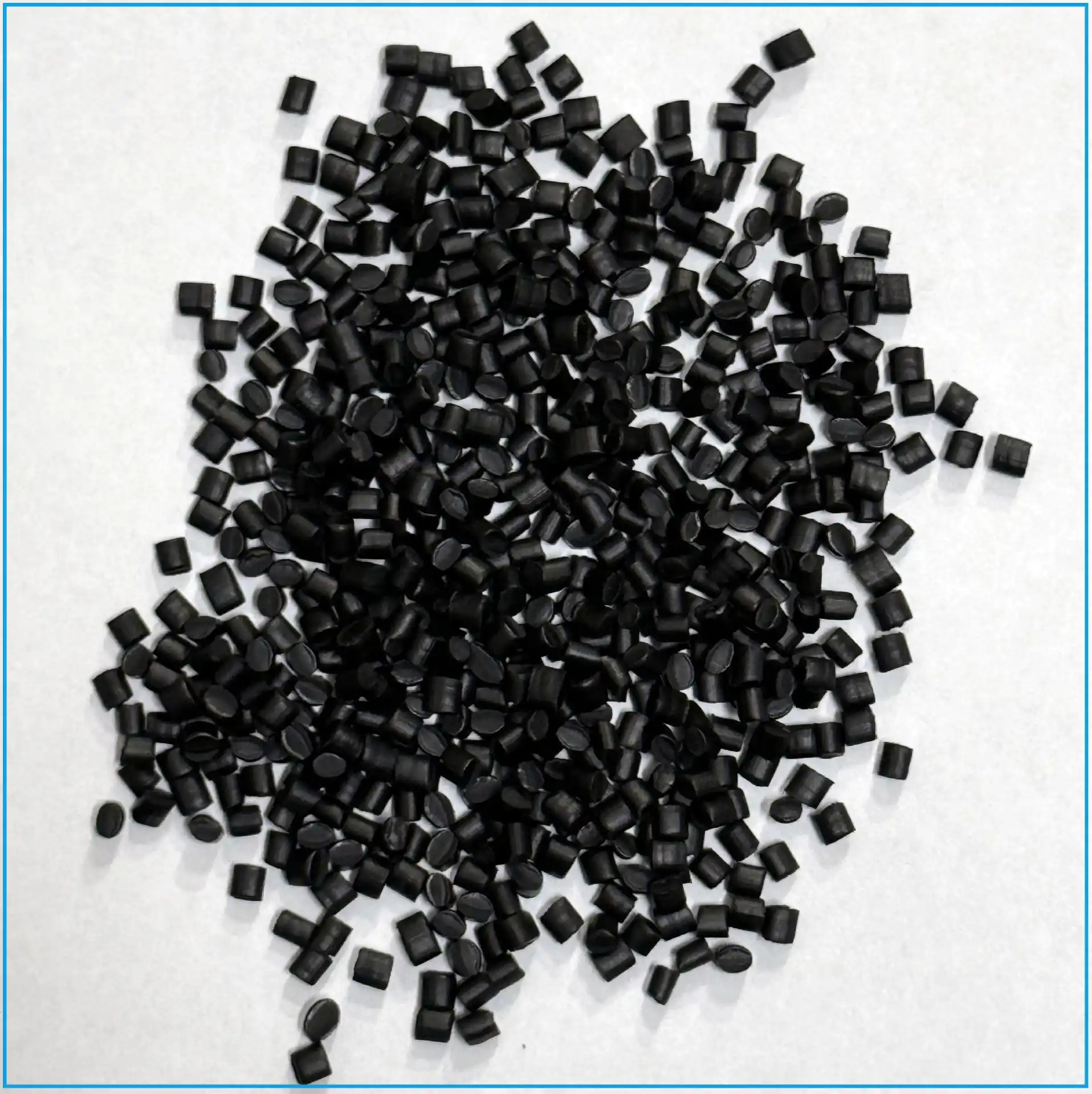
Thermoplastic Polyurethane (TPU) and Thermoplastic Elastomer (TPE) overmolding represents the pinnacle of functional design integration, combining the structural strength of rigid plastics with the tactile comfort, grip, and flexibility of elastomers. Our advanced two-shot (2K) injection molding process creates permanently bonded components where soft-touch surfaces, sealing features, and impact-absorbing elements are integrally molded onto rigid substrates in a single, automated manufacturing cycle. This sophisticated technology eliminates secondary bonding operations while delivering superior performance, enhanced durability, and exceptional aesthetic appeal.
Overmolding transforms ordinary plastic parts into premium products that stand out in competitive markets. Whether creating ergonomic tool handles that reduce user fatigue, waterproof seals for electronic enclosures, or vibration-dampening components for automotive applications, our TPU/TPE overmolding capabilities provide innovative solutions that conventional assembly methods cannot match. When your design demands more than just plastic – when it requires feel, function, and finesse – overmolding delivers.
Material Properties and Advantages
Superior Bonding Performance
Our overmolding process creates molecular-level bonds between the substrate and overmold materials that are significantly stronger than adhesive bonds or mechanical attachments. TPU forms excellent chemical bonds with materials like PC, ABS, PC/ABS, and PA, while specialized TPE grades bond securely to PP and PE substrates that challenge other elastomers.
Enhanced Ergonomics and User Experience
Soft-touch overmolding transforms functional components into comfortable, user-friendly products. The elastomeric surface provides:
Reduced hand fatigue during extended use
Improved grip in wet, dry, or oily conditions
Thermal insulation against hot or cold substrates
Pleasant tactile feedback that enhances perceived quality
Exceptional Durability and Performance
Overmolded components exhibit superior resistance to:
Impact and shock: Elastomeric layers absorb and dissipate energy
Abrasion and wear: TPU offers exceptional scratch and scuff resistance
Environmental factors: UV-stabilized grades maintain properties outdoors
Chemical exposure: Resistant to oils, greases, and many solvents
Integrated Functionality
Overmolding enables multiple functions in single components:
Waterproof seals and gaskets integrated into housings
Vibration and noise dampening features
Non-slip surfaces on handles and controls
Decorative elements with soft-touch accents
Protective bumpers and corner guards
Design Freedom and Aesthetic Enhancement
The overmolding process allows for:
Complex geometries with seamless transitions
Multi-color designs without painting or assembly
Textured surfaces for enhanced grip or visual appeal
Brand differentiation through unique tactile experiences
Elimination of visible parting lines on finished surfaces
Manufacturing Process
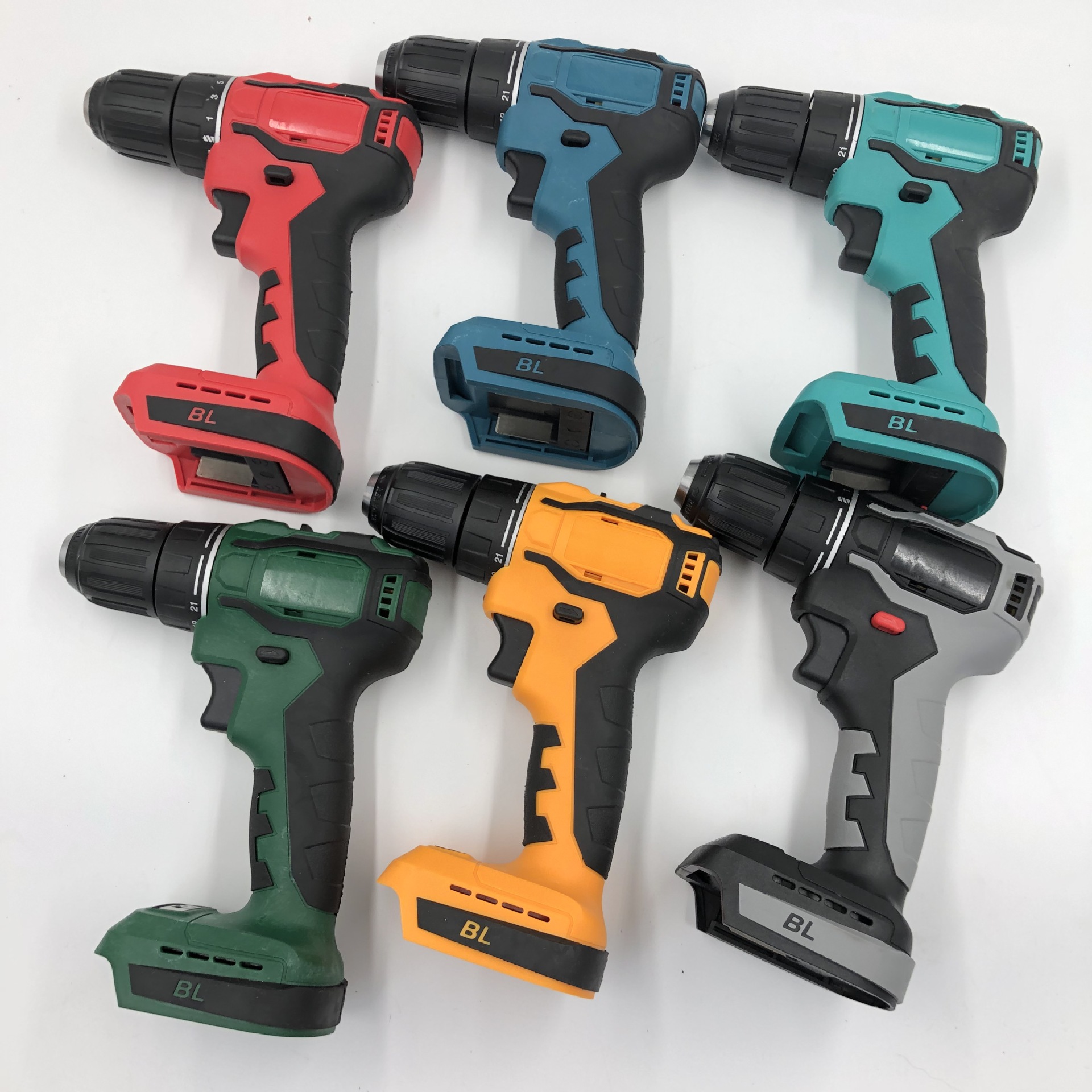
Our overmolding process utilizes state-of-the-art technology and precise engineering:
Two-Shot (2K) Molding Process:
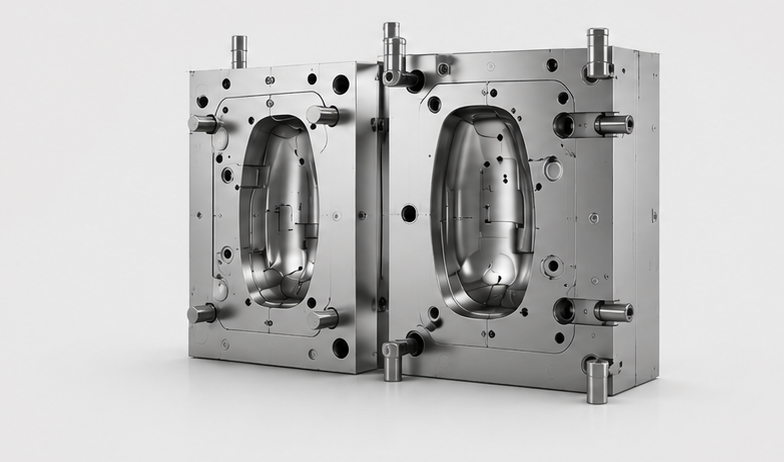
First Shot: The rigid substrate is molded in the first cavity
Mold Rotation: The mold rotates 180°, transferring the substrate to the second cavity
Second Shot: The TPU or TPE is injected over the substrate, forming a permanent bond
Ejection: The complete overmolded part is ejected, ready for use
Material Compatibility Engineering:
We scientifically match substrate and overmold materials based on:
Chemical compatibility for optimal bonding
Thermal properties to prevent warpage or stress
Mechanical properties for intended performance
Processing parameters for manufacturing efficiency
Precision Process Control:
Separate temperature control for substrate and overmold materials
Precise timing between first and second shots
Optimized injection speeds and pressures
Controlled mold temperatures for each material
Automated quality monitoring throughout the cycle
Advanced Equipment Features:
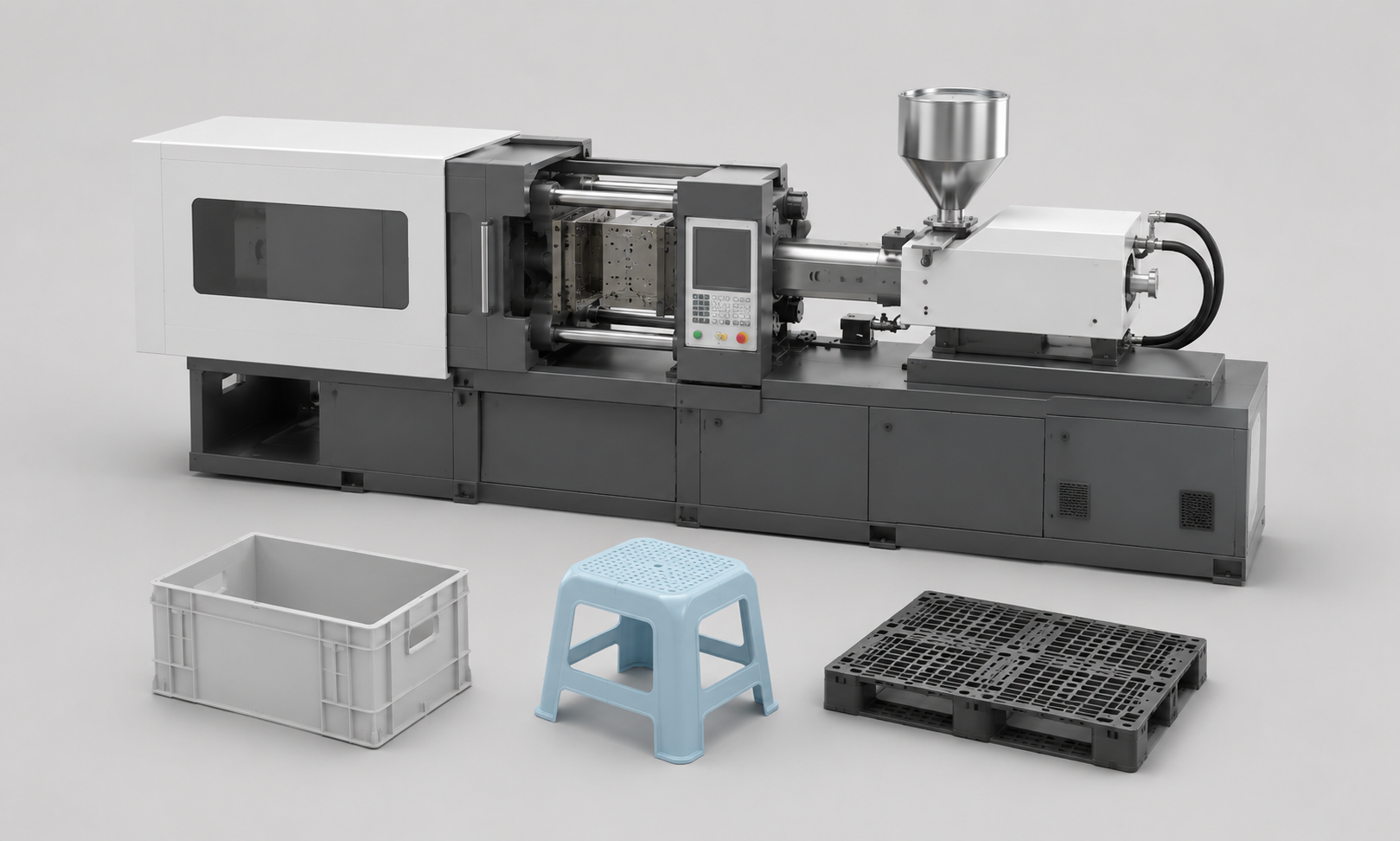
Multi-material injection molding machines with separate injection units
Rotary or shuttle mold systems for precise alignment
Clean room capabilities for medical and electronic components
Robotic part handling for consistent quality
Real-time process monitoring and data collection
Technical Specifications
Material Options:
Rigid Substrate Materials:
Polycarbonate (PC) and PC/ABS blends
Acrylonitrile Butadiene Styrene (ABS)
Polyamide (Nylon - PA6, PA66, including glass-filled)
Polypropylene (PP) - with specialized bonding TPEs
Polyethylene (PE) - with compatible TPE formulations
Acrylic (PMMA) and other engineering thermoplastics
Overmold Elastomer Materials:
TPU (Thermoplastic Polyurethane) Grades:
Shore Hardness: 60A to 80D
Aromatic TPU: Excellent mechanical properties, good chemical resistance
Aliphatic TPU: Superior UV resistance, non-yellowing
Medical Grade TPU: USP Class VI, ISO 10993 compliant
Transparent TPU: For see-through applications
FDA Compliant TPU: For food contact applications
TPE/TPR (Thermoplastic Elastomer/Rubber) Grades:
Shore Hardness: 10A to 95A
Styrenic Block Copolymers (SBC): Cost-effective, good flexibility
Thermoplastic Vulcanizates (TPV): Rubber-like feel, excellent compression set
Thermoplastic Polyolefins (TPO): For bonding to PP substrates
Medical and Food Grade TPE: Phthalate-free, compliant formulations
Typical Properties:
TPU Overmold Properties (Shore 85A):
Tensile Strength: 25-50 MPa
Elongation at Break: 400-600%
Tear Strength: 60-120 kN/m
Compression Set (22 hrs @ 70°C): 25-45%
Service Temperature: -40°C to 80°C (up to 120°C for special grades)
Bond Strength Performance:
Substrate-Overmold Bond Strength: 15-40 N/mm (material dependent)
Failure Mode: Typically substrate or overmold failure before bond failure
Environmental Resistance: Maintains bond through thermal cycling and humidity exposure
Design Guidelines:
Overmold Thickness: 0.5mm minimum, 1.0-2.5mm typical
Undercuts for Mechanical Locking: 0.25-0.5mm recommended
Transition Design: Gradual transitions prevent stress concentration
Venting Requirements: Critical for complete filling and bond quality
Gate Locations: Strategically placed to optimize flow and bonding
Design Capabilities and Applications
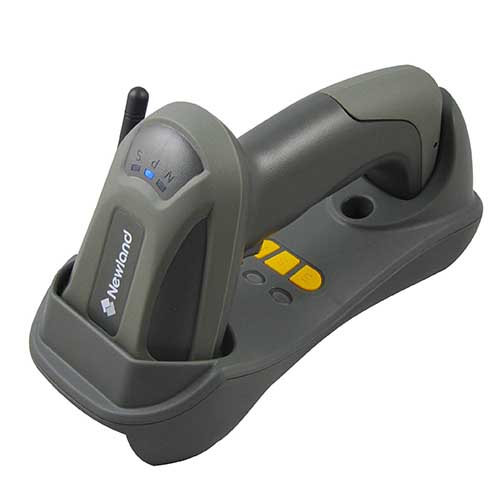
Design Features Enabled by Overmolding:
Mechanical Interlock Features:
Through-holes and windows in substrates
Undercuts and dovetail designs
Textured substrate surfaces for enhanced bonding
Ribbed and grooved interfaces
Functional Integration:
Sealing lips and gaskets integrated into housings
Soft-touch buttons and control surfaces
Non-slip patterns and textures
Vibration-dampening mounts and isolators
Protective bumpers and edge guards
Aesthetic Enhancements:
Multi-color designs without painting
Brand logos and graphics in contrasting materials
Smooth, seamless transitions between materials
Luxurious soft-touch surfaces
Custom textures and patterns
Industry Applications:
Consumer Electronics:
Smartphone cases with soft-touch grips
Tablet and laptop protective bumpers
Wearable device bands and interfaces
Headphone and earbud housings
Game controller grips and buttons
Tools and Equipment:
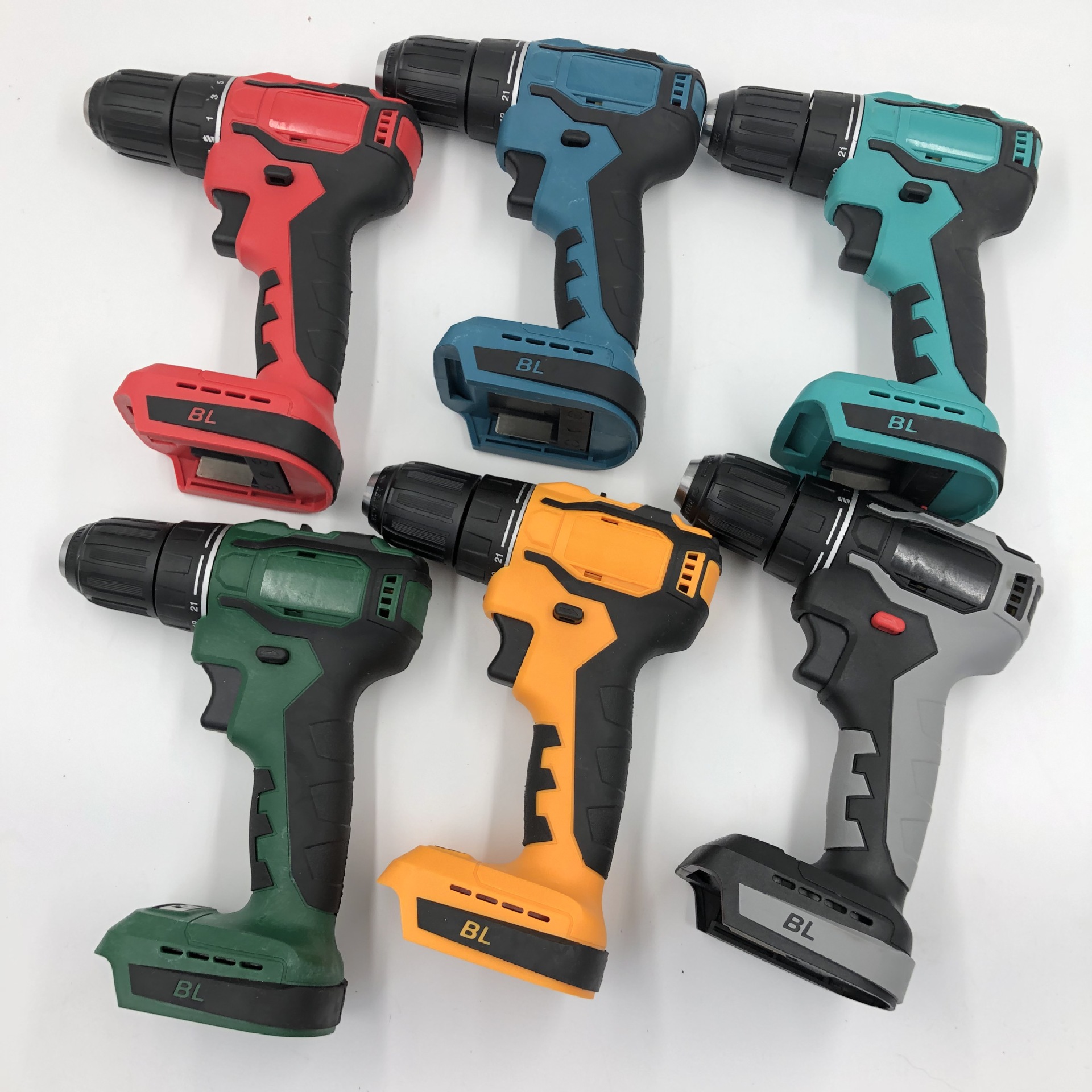
Power tool handles and grips
Hand tool comfort grips
Surgical and dental instrument handles
Sporting equipment grips (golf clubs, tennis rackets)
Camera and binocular grips
Automotive Components:
Interior trim and control knobs
Steering wheel grips and accents
Gear shift knobs and parking brake handles
Console and dashboard components
Key fobs and remote controls
Medical Devices:
Ergonomic surgical tool handles
Diagnostic device grips and interfaces
Wearable medical device housings
Patient-handled equipment
Disposable device components with soft seals
Industrial Products:
Control panel interfaces and buttons
Handle grips for machinery and equipment
Connector strain reliefs and boots
Sealed enclosures for outdoor use
Vibration-isolated mounting components
Consumer Products:
Toothbrush and razor handles
Kitchen utensil grips
Cosmetic packaging and applicators
Bottle closures and dispensers
Children's product components
Quality Assurance and Testing
Our comprehensive quality program ensures consistent, reliable overmolded components:
Bond Strength Testing:
90° and 180° peel tests per ASTM standards
Cross-hatch adhesion testing
Thermal cycling and thermal shock testing
Environmental exposure testing (humidity, UV, chemicals)
Material and Process Validation:
Rheological analysis for flow compatibility
DSC analysis for thermal property verification
FTIR spectroscopy for material identification
Process capability studies (Cpk analysis)
Finished Part Testing:
Dimensional verification using CMM and optical comparators
Functional testing of seals, buttons, and moving parts
Durability testing (actuation cycles, wear resistance)
Aesthetic inspection for color, texture, and surface quality
Industry Certifications:
ISO 9001:2015 Quality Management System
IATF 16949:2016 for automotive components
ISO 13485:2016 for medical devices
UL Recognition for electrical components
FDA 21 CFR compliance for applicable grades
RoHS, REACH, and Proposition 65 compliance
Sustainability Advantages
Environmental Benefits of Overmolding:
Material Efficiency: Eliminates adhesives, fasteners, and secondary operations
Waste Reduction: Single-process manufacturing reduces scrap and energy use
Design for Disassembly: Some material combinations allow for separation and recycling
Extended Product Life: Enhanced durability reduces replacement frequency
Lightweighting: Often lighter than traditional multi-component assemblies
Sustainable Material Options:
Bio-based TPU grades from renewable resources
TPEs with recycled content
Phthalate-free, heavy-metal-free formulations
REACH and RoHS compliant materials
Recyclable material combinations
Manufacturing Efficiency:
Reduced energy consumption versus multi-process manufacturing
Lower carbon footprint through eliminated transportation between processes
Optimized material usage through precise shot control
Closed-loop process control minimizing rejects
Value-Added Services and Customization
Design and Engineering Support:
Material selection and compatibility analysis
DFM (Design for Manufacturability) consultation
Moldflow analysis for both substrate and overmold
Prototype development with production-equivalent materials
Testing and validation program development
Prototyping Options:
3D printed prototypes with multi-material capabilities
Short-run production for market testing
Functional prototypes for user testing
Color and texture samples for aesthetic approval
Secondary Operations:
Laser marking and engraving
Precision trimming and deflashing
Assembly with other components
Packaging and kitting services
Quality inspection and documentation
Technical Partnership:
Our engineering team partners with clients through:
Early involvement in design phases
Regular project review meetings
Transparent communication and reporting
Continuous improvement initiatives
Post-project evaluation and optimization
Why Choose Our Overmolding Services?
Proven Expertise: With over 20 years specializing in multi-material molding, we have successfully executed thousands of overmolding projects across diverse industries.
Technical Excellence: Our engineering team includes materials scientists, process engineers, and tooling specialists who understand the nuances of overmolding.
Advanced Technology: We invest in state-of-the-art multi-material injection molding machines, precision tooling, and advanced monitoring systems.
Quality Commitment: Our zero-defect mindset and rigorous quality systems ensure consistent, reliable components that meet your exact specifications.
Innovation Focus: We continuously explore new materials, processes, and applications to provide cutting-edge solutions for our clients.
Global Experience, Local Service: While serving international markets, we provide responsive, personalized service and technical support.
Supply Chain Reliability: We maintain strategic partnerships with leading material suppliers and implement robust inventory management systems.
Start Your Overmolding Project
Contact our overmolding specialists today to discuss your application requirements, request material samples, or schedule a capabilities presentation. We'll help you explore how TPU/TPE overmolding can enhance your product's functionality, aesthetics, and value.
Transform your designs with the seamless integration of soft and rigid materials. From concept to production, we provide complete overmolding solutions that elevate ordinary components into extraordinary products.
Related Plastic Manufacturing Services
Buyers comparing this project can also review these related Samgo Plastics services for product development mold making and injection molding planning.
What exactly are your OEM services?
Our OEM (Original Equipment Manufacturing) service allows you to bring your unique outdoor gear ideas to life. We handle the entire product development and manufacturing process based on your specifications, designs, and brand requirements. From initial concept and material sourcing to prototyping, production, and quality control, we become your dedicated manufacturing partner. Your brand logo and identity will be applied to the final products.What is your MOQ (Minimum Order Quantity)?
We understand that brands need flexibility, especially when launching new products. Therefore, we offer flexible MOQs, which vary depending on the product complexity, materials required, and customization level. We encourage you to discuss your project with us, and we will do our best to propose a feasible MOQ.Can you help us develop a product from just an idea or a sketch?
Absolutely! We specialize in turning concepts into high-quality, market-ready products. Our product development team will work closely with you to refine your idea, select appropriate materials, create technical drawings, and develop prototypes until your vision is perfectly realized.What are the typical steps in the OEM process with your company?
1.Initial Inquiry & Consultation: You share your concept, target market, and requirements. 2.Quotation & Agreement: We provide a detailed quotation, and once approved, we sign a service agreement. 3.Research & Development (R&D): Our team works on technical designs, material selection, and sample development. 4.Prototyping: We create a physical prototype for your evaluation and feedback. 5. Molds:After design confirming, we will creat mold before production. 5.Sample Approval: You approve the final sample, confirming quality, design, and functionality. 6.Mass Production: Upon your production order confirmation, we begin manufacturing your products. 7.Rigorous Quality Control (QC): We conduct inspections throughout production and a final random inspection before shipment. 8.Shipping & Delivery: We securely pack and arrange shipment to your designated destination.How long does the entire process take from concept to delivery?
The timeline varies significantly based on product complexity and order quantity. A general estimate is: Development & Sampling: 4-8 weeks. Mass Production: 4-6 weeks after sample approval. Please note that this is an estimate, and a precise timeline will be provided with your project quotation.Who owns the intellectual property (IP) and mold/tooling for the custom products?
You retain 100% ownership of your brand identity, designs, and product IP. For any custom molds or tooling created specifically for your project, ownership can be transferred to you upon agreement. We strictly adhere to confidentiality and will never use your designs for other clients.How do you determine the price for an OEM order?
The unit price is determined by several factors, including: Product complexity and design Cost of raw materials Labor and manufacturing processes involved Order quantity Packaging requirements We strive to offer competitive pricing without compromising on quality.What is your quality control process?
Quality is our top priority. Our QC process includes: Incoming Quality Control (IQC): Inspection of all raw materials. In-Process Quality Control (IPQC): Checks during key stages of production. Pre-Shipment Inspection (PSI): A final random inspection of finished products against your approved sample and our quality standards. We can provide detailed QC reports.Can we inspect the products before they are shipped?
Yes. We highly recommend a pre-shipment inspection. You are welcome to send your own QC inspector, or you can hire a third-party inspection company to perform the check at our factory. We can also provide you with photos and videos of the production and final products.How do you handle shipping?
We have extensive experience in shipping outdoor gear globally. We can handle the logistics for you and arrange shipment via sea (for large volumes) or air (for smaller, urgent orders). We work with reliable freight forwarders to ensure a smooth process. Shipping costs will be included in your final quotation.
Related Products