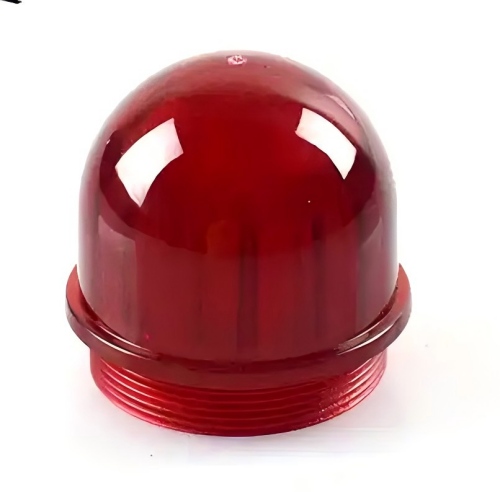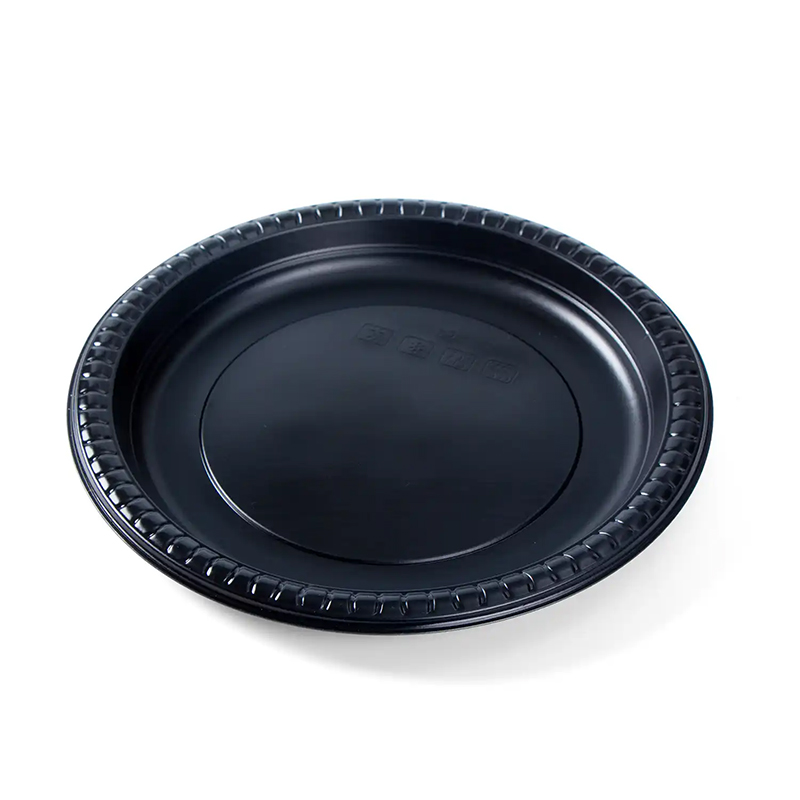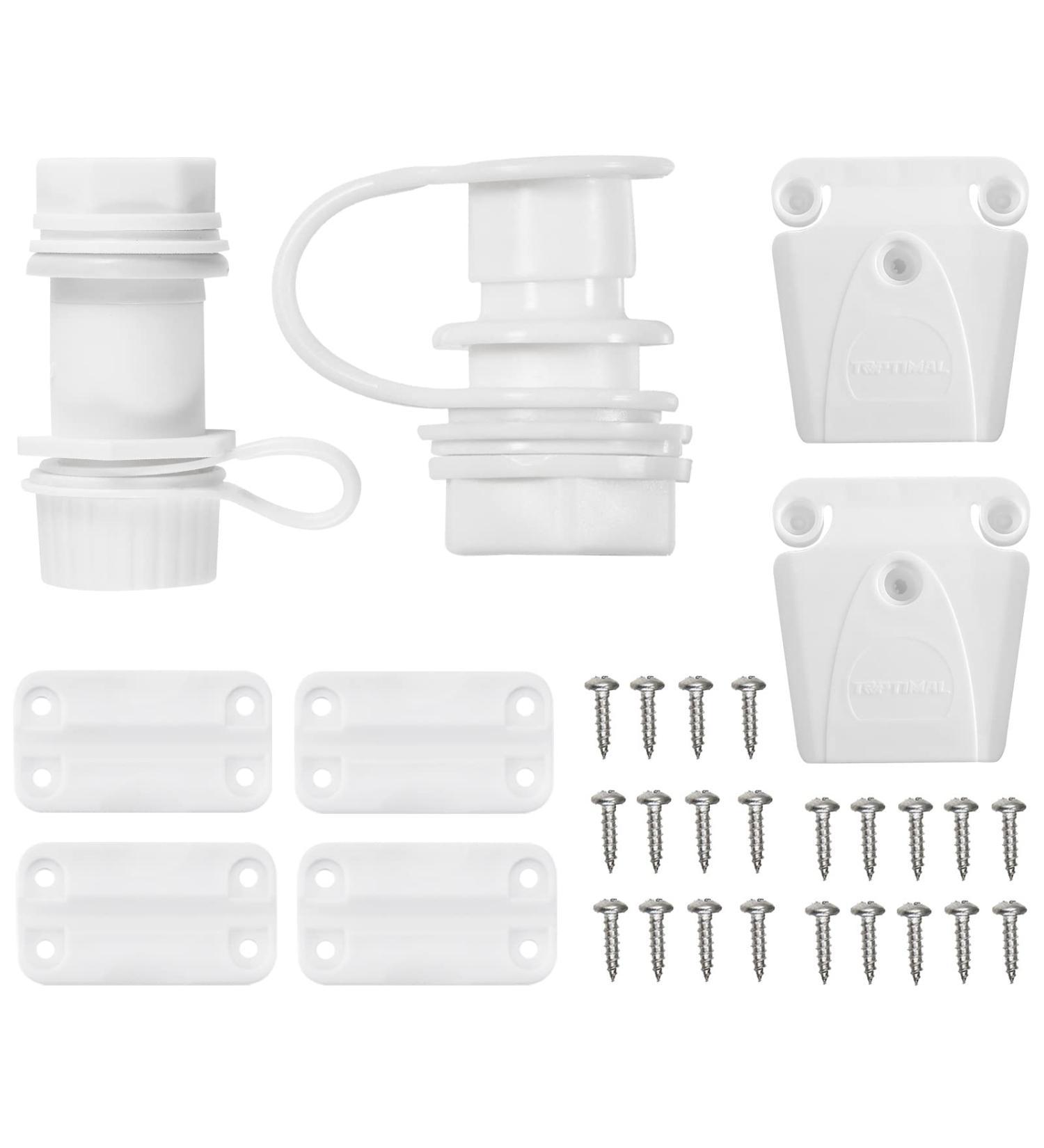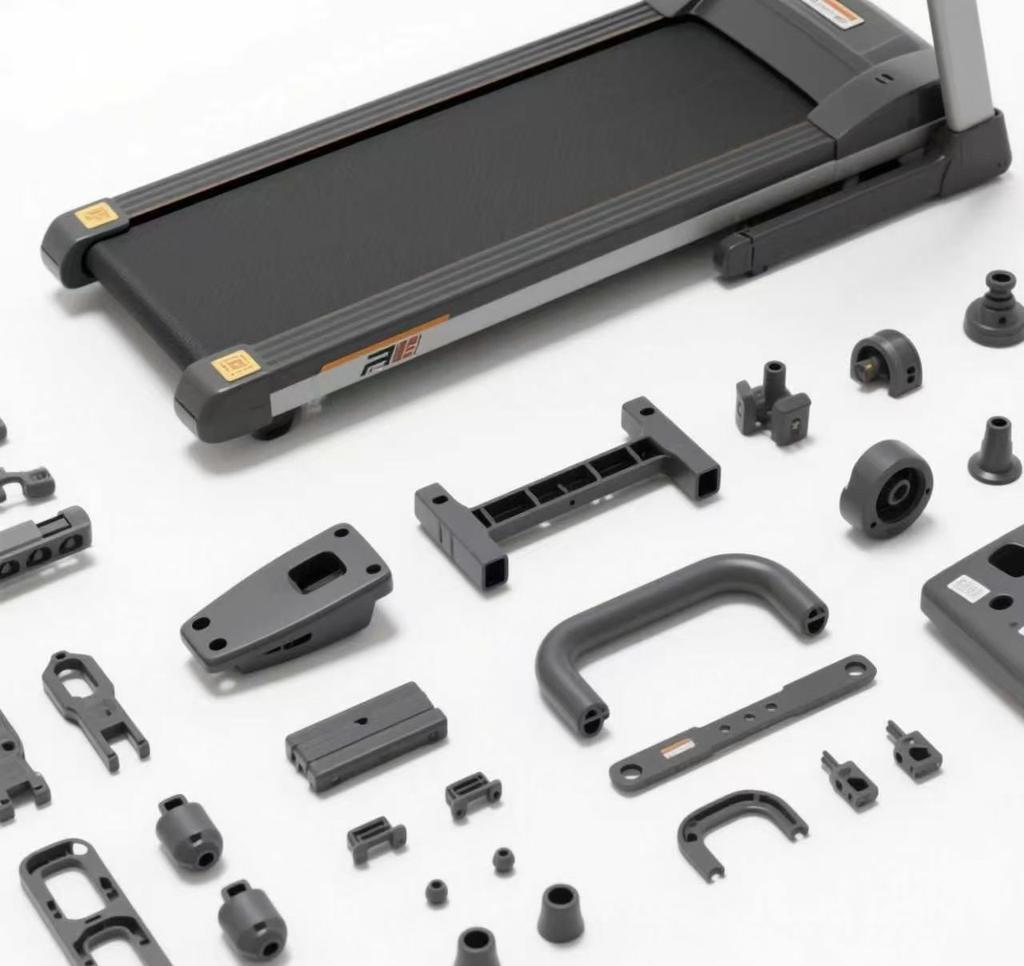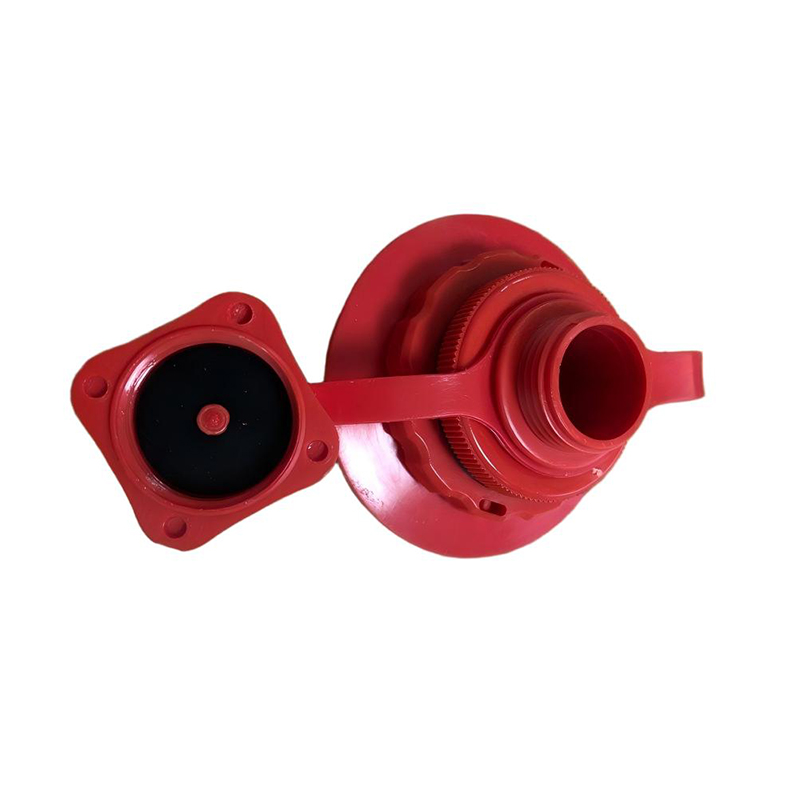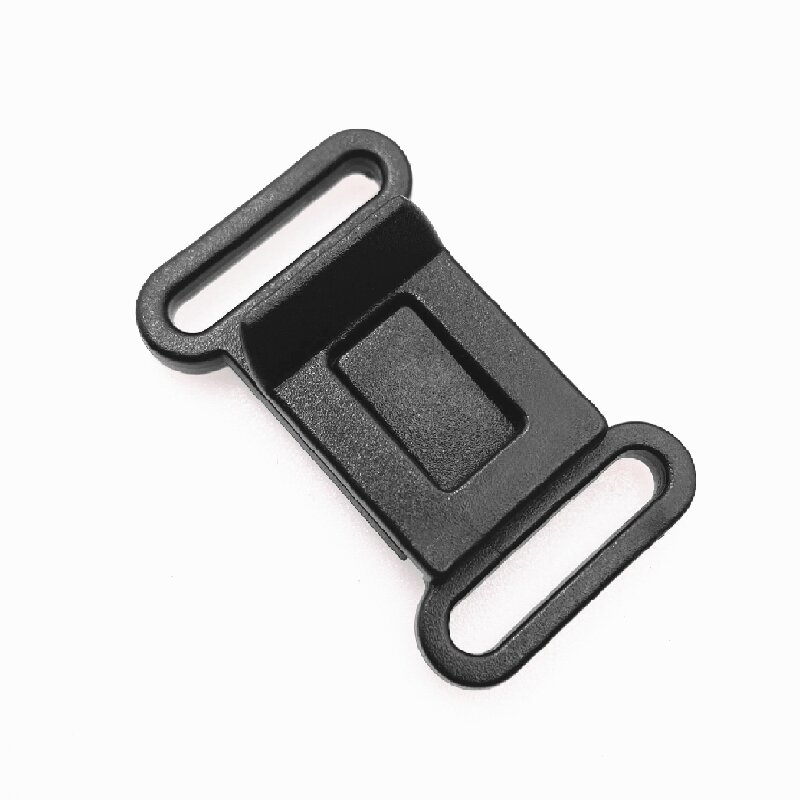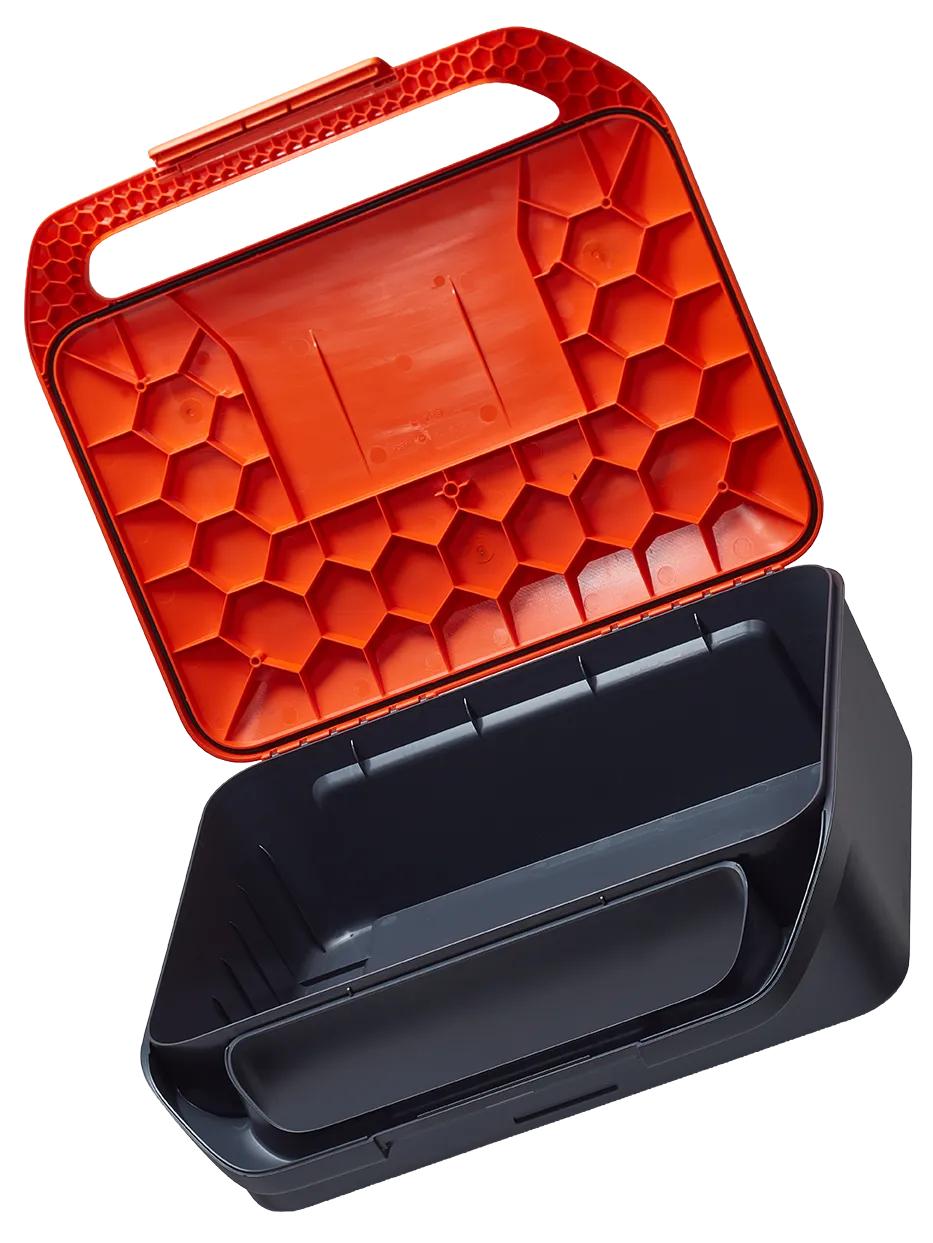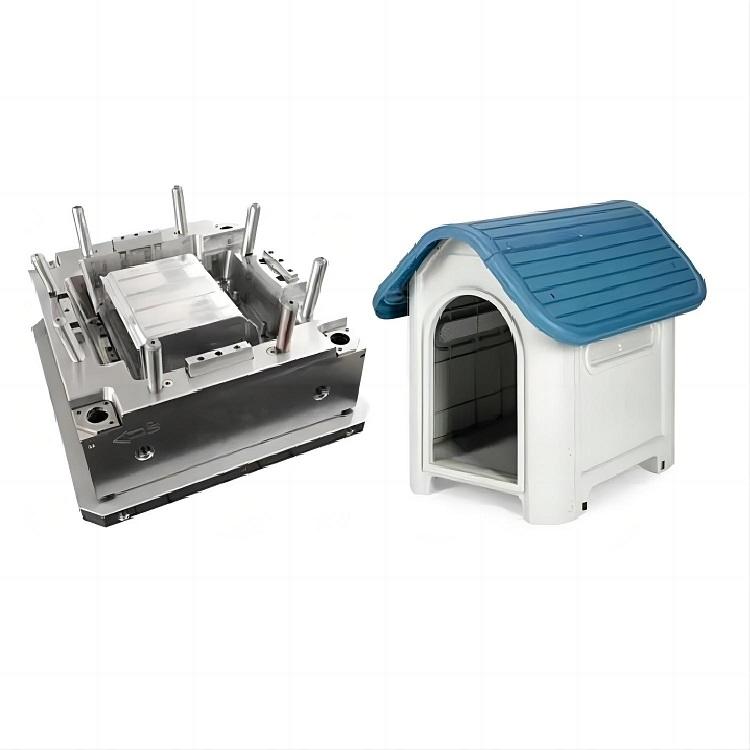

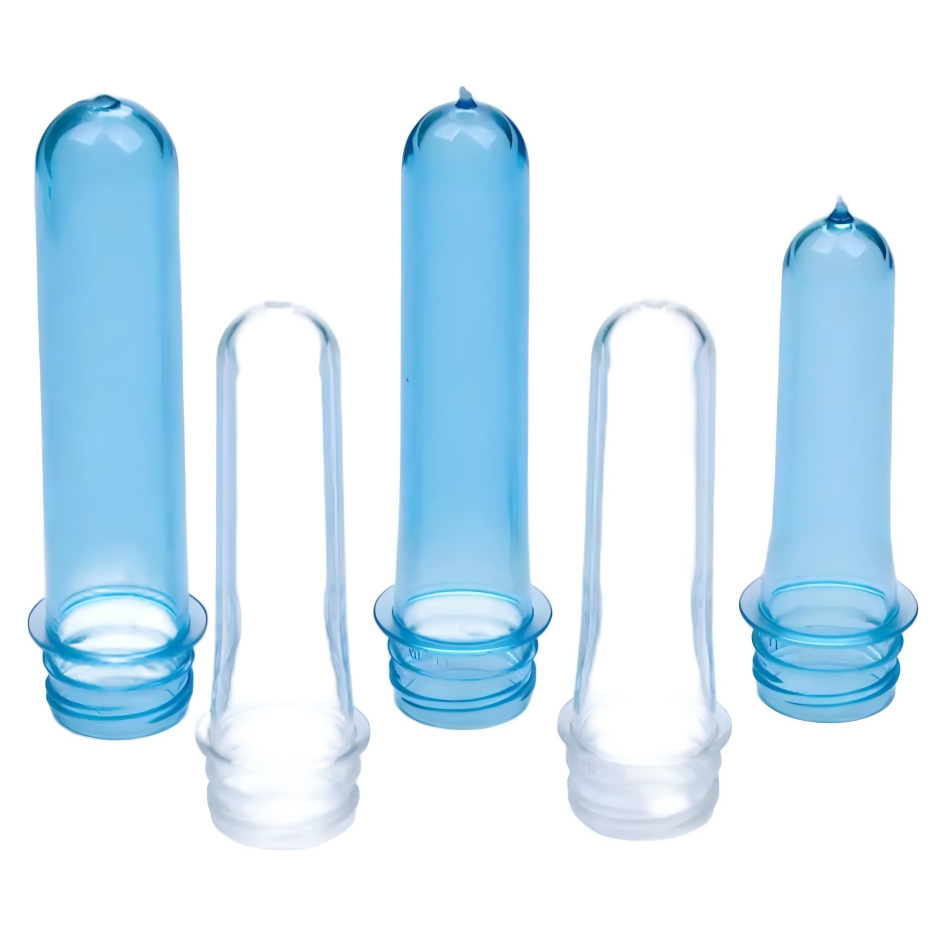
PET Injection Molding Parts for OEM Plastic Components
Introduction to a Material of Modern Life
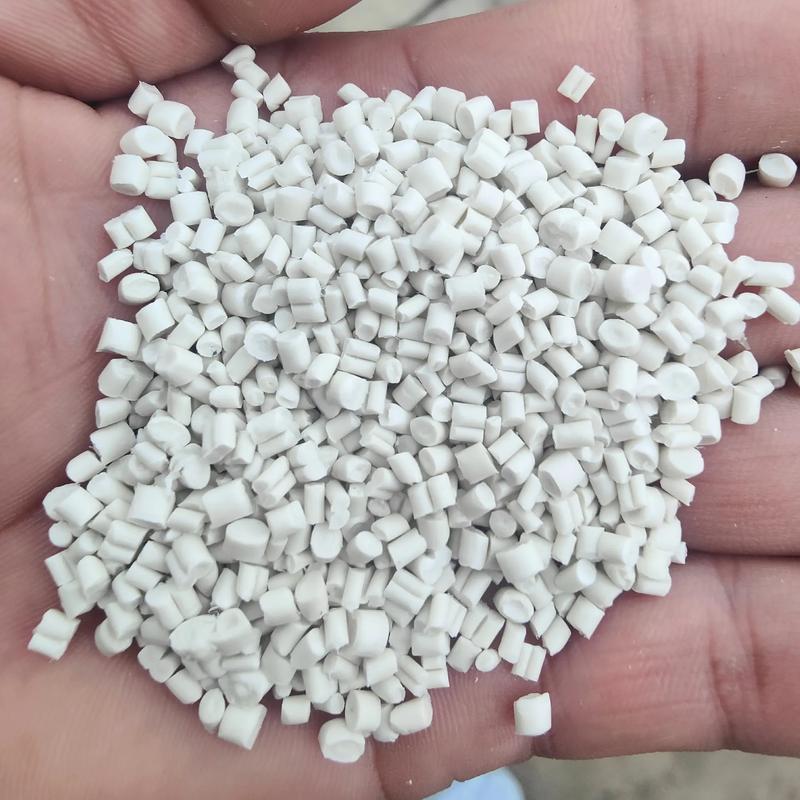
Polyethylene Terephthalate (PET) is one of the world's most recognizable and versatile thermoplastics, forming the backbone of the global beverage bottle industry while simultaneously serving as a high-performance engineering material. Our injection molded PET components offer a unique combination of crystal clarity, exceptional barrier properties, and impressive mechanical strength that bridges the gap between commodity packaging and engineered solutions. This semi-crystalline polymer exists in two primary forms: amorphous (APET) for brilliant transparency and crystalline (CPET) for heat resistance and rigidity.
Beyond its familiar role in single-use packaging, engineered PET grades deliver outstanding performance in automotive, electrical, consumer durable, and industrial applications. The material's excellent balance of properties – including high stiffness, low moisture absorption, good chemical resistance, and dimensional stability – makes it a cost-effective alternative to more expensive engineering plastics for many structural applications.
Material Properties and Performance Advantages
Exceptional Clarity and Gloss
Amorphous PET (APET) offers brilliant transparency with light transmission exceeding 90%, rivaling polycarbonate and glass while providing superior shatter resistance. This optical clarity, combined with excellent surface gloss, makes PET ideal for display components, protective covers, and transparent housings where visual appeal matters.
Outstanding Gas and Moisture Barrier Properties
PET provides one of the best barrier performances among common plastics against oxygen, carbon dioxide, and moisture vapor. This intrinsic property makes it indispensable for food packaging and any application requiring protection from atmospheric gases or moisture ingress.
High Strength and Rigidity
PET exhibits impressive tensile strength (50-70 MPa) and stiffness (2.8-3.5 GPa flexural modulus), particularly in glass-filled grades which can reach 10+ GPa. This strength-to-weight ratio outperforms many commodity plastics, allowing for lightweight yet durable structural components.
Excellent Chemical Resistance
PET demonstrates good resistance to a wide range of chemicals, including oils, fats, alcohols, and weak acids and bases. This makes it suitable for automotive components, food processing equipment, and industrial applications where chemical exposure occurs.
Dimensional Stability and Low Warpage
With low moisture absorption (typically <0.1%) and minimal shrinkage during molding, PET maintains precise dimensions across varying humidity conditions. Glass-filled grades offer exceptional dimensional stability even under thermal stress and mechanical load.
Specialized Manufacturing Process
Precision Molding with Unique Requirements
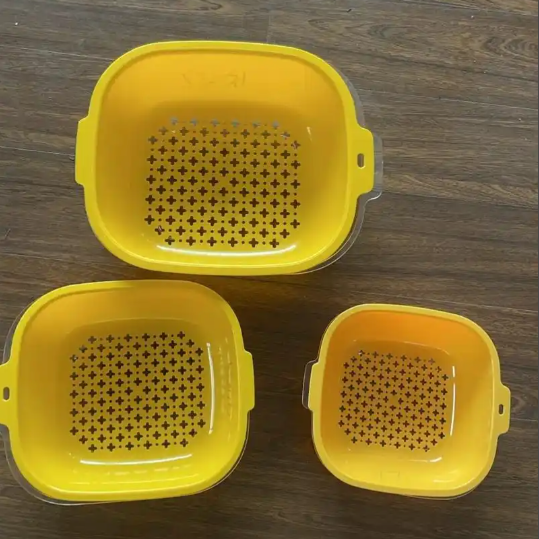
Manufacturing high-quality PET components requires specialized equipment and process control:
Critical Process Parameters:
Intensive Drying: PET is extremely hygroscopic, requiring drying to <0.005% moisture content at 150-165°C (302-329°F) for 4-6 hours
Precise Temperature Control: Melt temperatures of 265-290°C (509-554°F) with mold temperatures of 10-65°C (50-149°F) depending on desired crystallinity
Rapid Cooling: Controlled cooling rates to achieve desired crystallinity levels and prevent premature crystallization
Crystallization Management: Strategic use of heated molds (120-150°C) for crystalline PET components requiring heat resistance
Advanced Processing Technologies:
Specialized screws with mixing sections for homogenization
Hot runner systems to prevent material degradation in sprues
Closed-loop moisture monitoring in drying systems
In-mold sensors for real-time crystallization monitoring
Technical Specifications and Material Grades
Comprehensive PET Material Portfolio
Standard PET Grades:
APET (Amorphous PET): Brilliant clarity, excellent transparency, lower heat resistance
CPET (Crystalline PET): Opaque white, high heat resistance (up to 220°C/428°F), excellent rigidity
PETG (Glycol-Modified PET): Enhanced clarity and toughness, easier processing, lower crystallinity
Enhanced Performance Grades:
Glass-Filled PET (15%-45%): Significantly increased stiffness, strength, and dimensional stability
Impact-Modified PET: Improved toughness for applications requiring higher impact resistance
Flame-Retardant PET: UL94 V-0 grades for electrical and electronic applications
UV-Stabilized PET: For outdoor applications requiring weatherability
Food-Grade PET: FDA-compliant for food contact applications
Recycled PET (rPET): Containing post-consumer or post-industrial recycled content
Key Material Properties
Mechanical Properties (Unfilled PET):
Tensile Strength: 50-70 MPa
Flexural Modulus: 2.8-3.5 GPa
Impact Strength (Notched Izod): 20-30 J/m
Elongation at Break: 30-70%
Thermal Properties:
Glass Transition Temperature: 70-80°C (158-176°F)
Heat Deflection Temperature: 65-75°C @ 1.8 MPa (APET); 220°C @ 1.8 MPa (CPET)
Continuous Use Temperature: 60-70°C (140-158°F) for APET; 120-150°C (248-302°F) for CPET
Barrier Properties:
Oxygen Transmission Rate: 8-12 cc·mil/100in²·day·atm
Water Vapor Transmission Rate: 1-2 g·mil/100in²·day
Design Capabilities and Application Solutions
Engineering with Material Intelligence
Our engineering team optimizes PET components for performance and manufacturability:
Design for PET Characteristics:
Uniform wall thickness (typically 1.5-3.0mm) for consistent crystallization
Generous radii (minimum 1mm) to prevent stress concentration
Strategic rib design for structural reinforcement without sink marks
Draft angles (1-2°) for reliable part ejection
Advanced Design Features:
Living hinges in PETG for repeated flexing
Snap-fit assemblies for tool-less fastening
Integrated threads for closures and connectors
Thin-walled sections down to 0.5mm for packaging applications
Comprehensive Industry Applications
Packaging Solutions:
Food containers and microwaveable trays
Cosmetic and personal care packaging
Pharmaceutical blister packs and medical packaging
Technical and industrial packaging
Electrical and Electronics:
Connectors and sockets
Switch housings and circuit breaker components
Bobbins and coil formers
Electrical insulation components
Automotive Components:
Electrical connectors and sensor housings
Under-hood components (using high-temperature grades)
Interior trim components
Lighting components and reflectors
Consumer Goods:
Appliance components and housings
Housewares and kitchen utensils
Tool housings and components
Furniture components and structural parts
Medical and Healthcare:
Diagnostic device housings
Laboratory equipment components
Medical packaging and trays
Disposable medical components
Quality Assurance and Compliance Standards
Rigorous Testing Protocols
Barrier Property Testing: Oxygen and moisture vapor transmission rate measurements
Clarity and Haze Testing: Per ASTM D1003 for transparent applications
Thermal Analysis: DSC for crystallinity measurement and thermal property verification
Mechanical Testing: Full suite of ASTM/ISO mechanical property testing
Food Contact Compliance: Extraction testing per FDA guidelines
Industry Certifications
ISO 9001:2015 Quality Management
ISO 14001:2015 Environmental Management
FDA 21 CFR Compliance for food contact applications
UL Recognition for electrical components
NSF/ANSI 61 for drinking water system components
GRS (Global Recycled Standard) for recycled content verification
Sustainability and Circular Economy
PET's Environmental Advantages
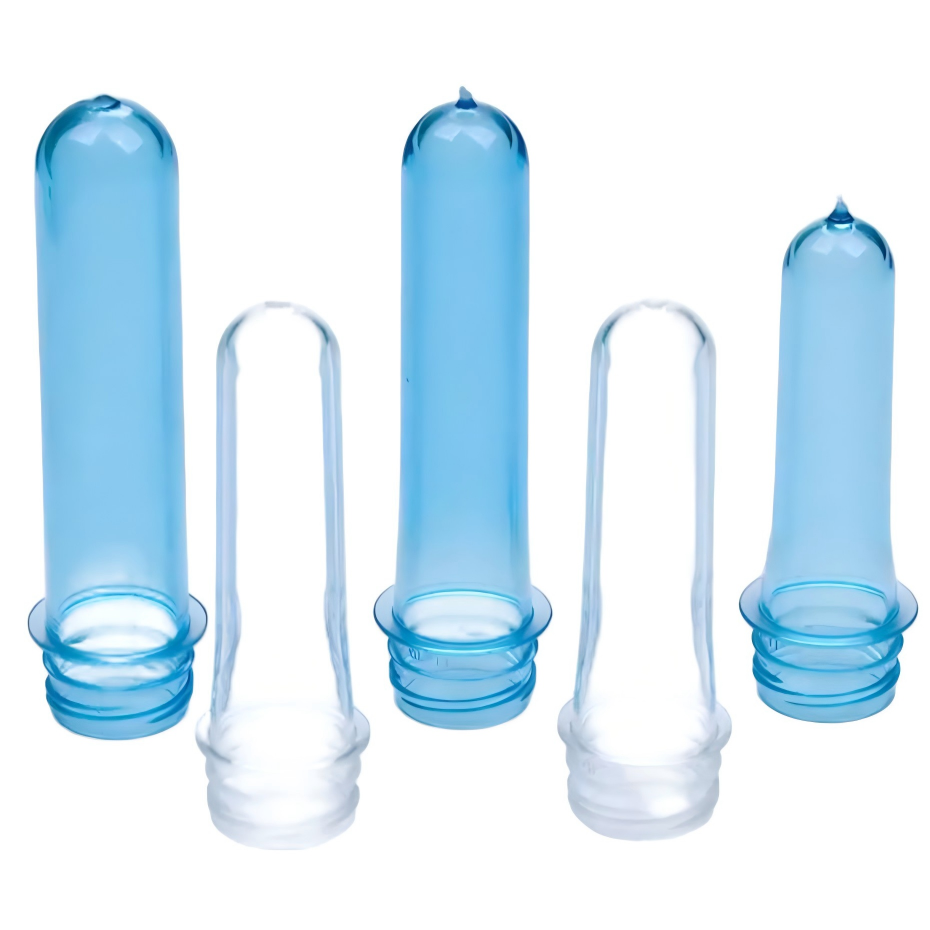
Recyclability Leadership:
Widely Recycled: PET has the highest recycling rate of all plastics globally
Closed-Loop Systems: Established infrastructure for bottle-to-bottle recycling
Mechanical Recycling: Multiple recycling cycles possible with minimal property degradation
Chemical Recycling: Emerging technologies for breaking PET back to monomers
Sustainable Manufacturing Initiatives:
rPET Integration: Offering grades with 30-100% post-consumer recycled content
Energy-Efficient Processing: Optimized processing parameters reducing energy consumption
Lightweight Design: Material reduction through optimized design and thin-walling
Waste Reduction: Regrind utilization programs and closed-loop water systems
Carbon Footprint Reduction:
Lower production energy compared to many engineering plastics
Transportation efficiency through lightweight components
Extended product life through durability and recyclability
Customization and Value-Added Services
Material Modification and Compounding
We offer customized PET compounds with:
Specific crystallization rates for process optimization
Enhanced flow characteristics for complex geometries
Custom color matching with consistent batch-to-batch quality
Additive packages for UV stability, flame retardance, or antistatic properties
Advanced Secondary Operations
In-Mold Labeling (IML): For integrated decoration of packaging components
Hot Stamping and Printing: For branding and information marking
Ultrasonic Welding and Vibration Welding: For hermetic seals and assemblies
Laser Marking and Engraving: For permanent identification and traceability
Precision Machining: For tight-tolerance features and modifications
Prototyping and Development Support
Rapid Prototyping: 3D printing in PET-like materials for form and fit testing
Bridge Tooling: Low-volume injection molding for functional testing
Moldflow Analysis: Predicting and optimizing filling patterns and crystallization
Application Testing: Support for product validation and certification processes
Production Capabilities and Supply Chain Excellence
Scalable Manufacturing Solutions
High-Speed Production: Optimized for packaging applications with cycle times under 10 seconds
High-Precision Molding: For engineering components with tolerances to ±0.05mm
Multi-Material Molding: Co-injection with barrier layers or soft-touch surfaces
Global Production Footprint: Manufacturing facilities in North America, Europe, and Asia
Supply Chain Integration
Just-in-Time Delivery: Kanban systems and vendor-managed inventory
Quality at Source: In-line inspection and statistical process control
Material Traceability: Full chain of custody from resin to finished part
Sustainability Reporting: Carbon footprint and recycled content documentation
Contact our PET materials specialists to discuss how injection molded PET components can bring clarity, strength, and sustainability to your next project. Request material samples, technical data sheets, or a comprehensive application analysis to discover the full potential of PET for your specific requirements.
Related Plastic Manufacturing Services
Buyers comparing this project can also review these related Samgo Plastics services for product development mold making and injection molding planning.
What exactly are your OEM services?
Our OEM (Original Equipment Manufacturing) service allows you to bring your unique outdoor gear ideas to life. We handle the entire product development and manufacturing process based on your specifications, designs, and brand requirements. From initial concept and material sourcing to prototyping, production, and quality control, we become your dedicated manufacturing partner. Your brand logo and identity will be applied to the final products.What is your MOQ (Minimum Order Quantity)?
We understand that brands need flexibility, especially when launching new products. Therefore, we offer flexible MOQs, which vary depending on the product complexity, materials required, and customization level. We encourage you to discuss your project with us, and we will do our best to propose a feasible MOQ.Can you help us develop a product from just an idea or a sketch?
Absolutely! We specialize in turning concepts into high-quality, market-ready products. Our product development team will work closely with you to refine your idea, select appropriate materials, create technical drawings, and develop prototypes until your vision is perfectly realized.What are the typical steps in the OEM process with your company?
1.Initial Inquiry & Consultation: You share your concept, target market, and requirements. 2.Quotation & Agreement: We provide a detailed quotation, and once approved, we sign a service agreement. 3.Research & Development (R&D): Our team works on technical designs, material selection, and sample development. 4.Prototyping: We create a physical prototype for your evaluation and feedback. 5. Molds:After design confirming, we will creat mold before production. 5.Sample Approval: You approve the final sample, confirming quality, design, and functionality. 6.Mass Production: Upon your production order confirmation, we begin manufacturing your products. 7.Rigorous Quality Control (QC): We conduct inspections throughout production and a final random inspection before shipment. 8.Shipping & Delivery: We securely pack and arrange shipment to your designated destination.How long does the entire process take from concept to delivery?
The timeline varies significantly based on product complexity and order quantity. A general estimate is: Development & Sampling: 4-8 weeks. Mass Production: 4-6 weeks after sample approval. Please note that this is an estimate, and a precise timeline will be provided with your project quotation.Who owns the intellectual property (IP) and mold/tooling for the custom products?
You retain 100% ownership of your brand identity, designs, and product IP. For any custom molds or tooling created specifically for your project, ownership can be transferred to you upon agreement. We strictly adhere to confidentiality and will never use your designs for other clients.How do you determine the price for an OEM order?
The unit price is determined by several factors, including: Product complexity and design Cost of raw materials Labor and manufacturing processes involved Order quantity Packaging requirements We strive to offer competitive pricing without compromising on quality.What is your quality control process?
Quality is our top priority. Our QC process includes: Incoming Quality Control (IQC): Inspection of all raw materials. In-Process Quality Control (IPQC): Checks during key stages of production. Pre-Shipment Inspection (PSI): A final random inspection of finished products against your approved sample and our quality standards. We can provide detailed QC reports.Can we inspect the products before they are shipped?
Yes. We highly recommend a pre-shipment inspection. You are welcome to send your own QC inspector, or you can hire a third-party inspection company to perform the check at our factory. We can also provide you with photos and videos of the production and final products.How do you handle shipping?
We have extensive experience in shipping outdoor gear globally. We can handle the logistics for you and arrange shipment via sea (for large volumes) or air (for smaller, urgent orders). We work with reliable freight forwarders to ensure a smooth process. Shipping costs will be included in your final quotation.
Related Products