
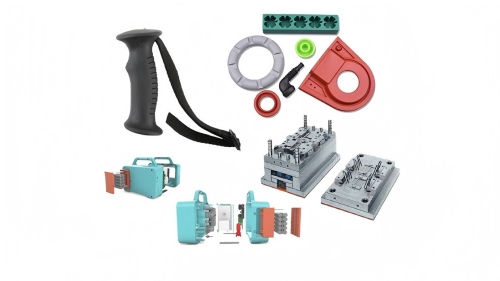
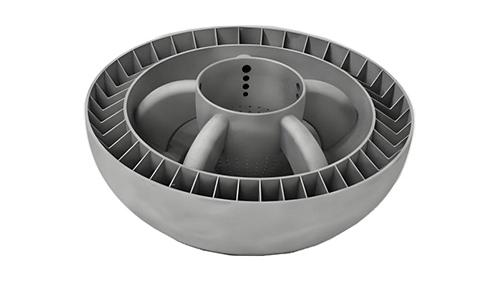
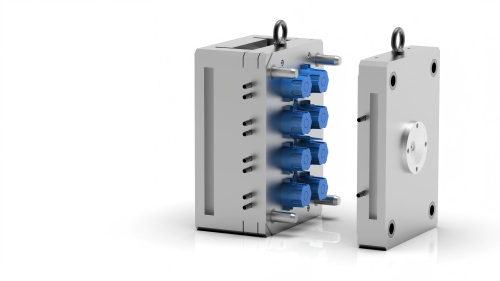
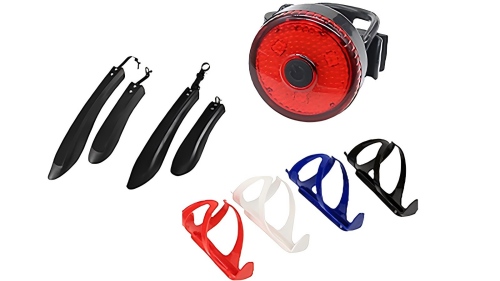


ASA resin pellets and various outdoor products manufactured from ASA material displayed on a clean white background.
What Is ASA Material?
ASA stands for:
Acrylonitrile Styrene Acrylate
It belongs to the styrenic polymer family and was developed to overcome the UV aging limitations of ABS.
The major components include:
Acrylonitrile for chemical resistance
Styrene for rigidity and processability
Acrylic rubber for weather resistance
Unlike ABS, ASA uses acrylic rubber instead of butadiene rubber, significantly improving UV and weather resistance.
Basic Characteristics
| Property | ASA |
|---|---|
| Density | 1.05–1.08 g/cm³ |
| Water Absorption | Low |
| UV Resistance | Excellent |
| Weather Resistance | Excellent |
| Impact Strength | High |
| Surface Finish | Excellent |
| Chemical Resistance | Good |
| Processability | Good |
ASA combines durability, appearance, and outdoor performance in a single material.
Why Choose ASA Instead of ABS?
Many designers compare ASA directly with ABS because the materials share similar processing characteristics.
However, ASA offers several important advantages.
Comparison of ASA and ABS
| Property | ASA | ABS |
| UV Resistance | Excellent | Poor |
| Outdoor Durability | Excellent | Limited |
| Color Stability | Excellent | Moderate |
| Weather Resistance | Excellent | Fair |
| Impact Resistance | Good | Very Good |
| Surface Gloss | Excellent | Excellent |
| Cost | Higher | Lower |
ABS performs well indoors, while ASA is specifically designed for outdoor applications.
When long-term outdoor exposure is expected, ASA is generally the preferred choice.


ASA and ABS test samples exposed to sunlight and weathering conditions, demonstrating superior ASA durability.
Key Advantages of ASA Material
Outstanding UV Resistance
One of ASA's greatest strengths is its ability to withstand prolonged UV exposure.
Unlike ABS, ASA does not easily:
Yellow
Crack
Fade
Lose mechanical properties
This makes it ideal for products exposed to direct sunlight.
Excellent Weatherability
ASA performs exceptionally well under:
Rain
Snow
Humidity
Temperature fluctuations
Salt spray environments
Outdoor products made from ASA can maintain appearance and functionality for many years.
Superior Surface Appearance
ASA provides:
High gloss surfaces
Rich colors
Excellent color retention
Premium appearance
Because of these characteristics, ASA is frequently selected for visible exterior components.
Good Mechanical Properties
ASA offers:
High stiffness
Good impact resistance
Dimensional stability
Long-term durability
These properties support demanding outdoor applications.
Common Applications of ASA Material
ASA is widely used across multiple industries.
Automotive Industry
Automotive manufacturers use ASA for:
Mirror housings
Roof racks
Exterior trim
Grilles
Spoilers
The material's UV stability helps maintain appearance throughout the vehicle's lifetime.
Construction Industry
ASA is commonly used in:
Roofing accessories
Window profiles
Exterior building components
Ventilation covers
Its resistance to weathering makes it ideal for construction applications.
Outdoor Electrical Products
Typical products include:
Electrical enclosures
Junction boxes
Outdoor communication equipment
Cable management systems
ASA protects components from environmental exposure.


Outdoor electrical enclosures, communication housings, and weather-resistant industrial products manufactured from ASA.
ASA in Outdoor Lighting Applications
Outdoor lighting is one of the fastest-growing applications for ASA.
Typical ASA lighting components include:
Lamp housings
Landscape lighting enclosures
Solar light bodies
Garden light covers
Wall-mounted lighting fixtures
Why ASA Works Well for Outdoor Lighting
| Requirement | ASA Benefit |
| UV Exposure | Excellent resistance |
| Rain & Humidity | Low water absorption |
| Outdoor Appearance | Excellent color retention |
| Mechanical Strength | High impact resistance |
| Long Service Life | Outstanding durability |
Manufacturers often select ASA for premium outdoor lighting products requiring long-term performance.
Injection Molding Considerations for ASA
ASA can be processed using standard injection molding equipment.
Typical Processing Parameters
| Parameter | Recommended Range |
| Melt Temperature | 240-280°C |
| Mold Temperature | 40-80°C |
| Injection Pressure | Medium-High |
| Drying Temperature | 80-90°C |
| Drying Time | 2-4 Hours |
Proper drying is important to achieve optimal surface quality and mechanical performance.
Mold Design Recommendations
For ASA injection molds:
Use polished mold surfaces
Provide adequate venting
Maintain balanced flow paths
Ensure sufficient draft angles
These practices improve product appearance and reduce molding defects.


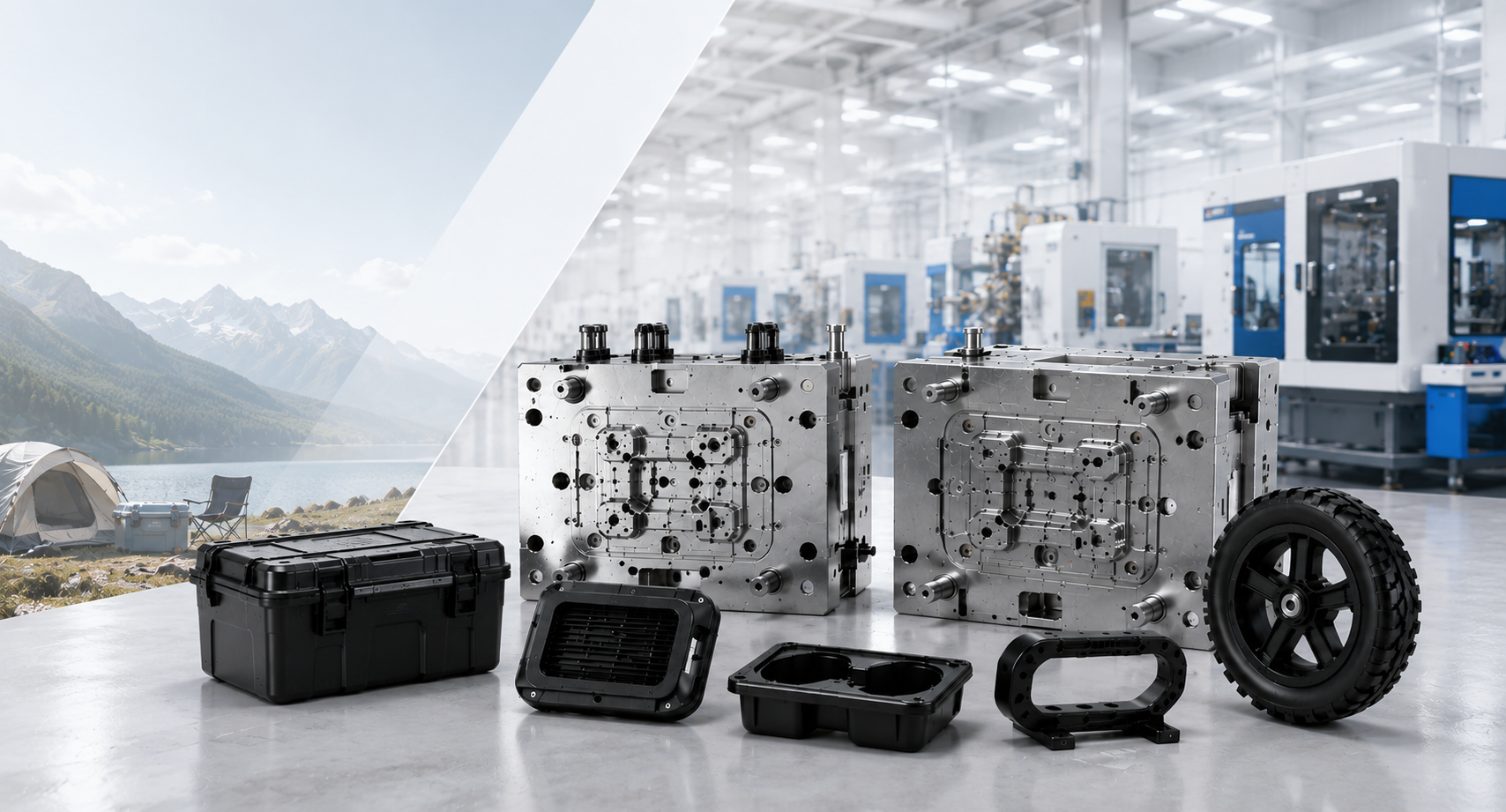
High-quality ASA injection molded housings and outdoor plastic components displayed on a white background.
Color Stability and Long-Term Performance
One of the major reasons manufacturers choose ASA is its exceptional color retention.
Outdoor products often experience:
UV radiation
Heat exposure
Moisture
Environmental pollution
ASA maintains:
Gloss retention
Color consistency
Surface integrity
for significantly longer periods than many alternative plastics.
This makes ASA especially attractive for visible consumer and architectural products.
Sustainability and Future Trends
As sustainability becomes increasingly important, ASA manufacturers are developing:
Recyclable ASA grades
Low-emission formulations
Enhanced weather-resistant compounds
Bio-based material alternatives
These innovations support environmentally responsible manufacturing while maintaining excellent outdoor performance.
The growing demand for durable outdoor products continues to drive the adoption of ASA material worldwide.
Conclusion
ASA is one of the most versatile and reliable engineering plastics for outdoor applications. Its excellent UV resistance, weatherability, color stability, and mechanical performance make it an ideal choice for automotive components, outdoor lighting products, electrical enclosures, construction materials, and many other exterior applications.
Compared with traditional ABS, ASA delivers significantly better long-term outdoor durability while maintaining attractive appearance and easy processability. As industries increasingly require products capable of withstanding harsh environmental conditions, ASA will continue to play a vital role in modern product design and injection molding manufacturing.